xabi alonso liverpool
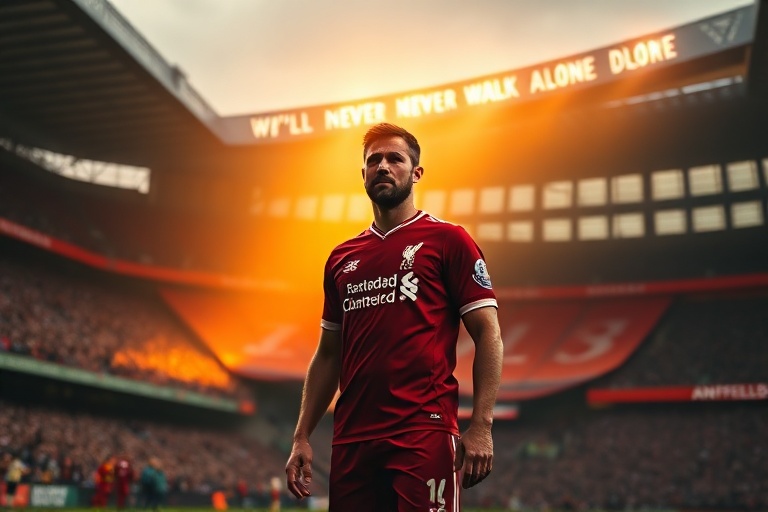
Xabi Alonso’s time at Liverpool remains one of the most pivotal chapters in the club’s modern history. Arriving in August 2004 as a relatively unknown Spanish midfielder, Alonso quickly established himself as the heartbeat of a team that would go on to achieve the unthinkable. His technical mastery, tactical intelligence, and leadership were instrumental in Liverpool’s rise to prominence under Rafael Benítez, culminating in the club’s fifth European Cup in Istanbul.
The Basque midfielder’s ability to dictate play from deep positions set him apart from his peers. His passing range—whether spraying 40-yard diagonals or threading pinpoint through balls—made him the perfect conductor for a Liverpool side that thrived on quick transitions and high pressing. Alonso’s influence extended beyond mere statistics; his presence redefined the role of a defensive midfielder in the Premier League.
From San Sebastián to Anfield: The Early Years
Born in Tolosa, a small town in the Basque Country, Alonso began his football journey at Real Sociedad’s youth academy. His father, Periko Alonso, was a former professional footballer and later his coach, which shaped Xabi’s early development. By the age of 18, Alonso made his debut for Real Sociedad’s senior team, quickly becoming a first-team regular.
His performances in La Liga caught the attention of Liverpool’s management, who were rebuilding the squad following the club’s sale of Michael Owen. Alonso’s arrival was part of a deliberate strategy to strengthen the spine of the team, particularly in midfield where Steven Gerrard and Dietmar Hamann needed a reliable partner. The transition from Basque football to the intensity of the Premier League was seamless for Alonso, thanks to his calm demeanor and exceptional ball control.
One of Alonso’s standout qualities was his composure under pressure. Unlike many young players who crumble in high-stakes environments, he thrived in moments of adversity. This was evident in Liverpool’s 2005 Champions League campaign, where his performances in pivotal matches—including the quarter-final against Juventus and the semi-final against Chelsea—earned him widespread acclaim.
The 2005 Champions League: Alonso’s Finest Hour
The 2004-05 season was the pinnacle of Alonso’s Liverpool career. Under Benítez, Liverpool played a high-pressing, possession-based system that suited Alonso’s strengths perfectly. His partnership with Gerrard in midfield was one of the most effective in European football, blending defensive solidity with creative flair.
The defining moment of Alonso’s career came in the 2005 Champions League final against AC Milan. Trailing 3-0 at half-time, Liverpool staged one of the greatest comebacks in football history, with Alonso playing a crucial role. His long-range effort, which made the score 3-1, was the catalyst for the Reds’ resurgence. Alonso’s ability to control the tempo of the game, even in the most chaotic moments, showcased his ice-cold temperament.
That victory cemented Alonso’s place in Liverpool folklore. He was named the man of the match in the final and finished the season with 11 assists—a testament to his playmaking abilities. His performances earned him a place in the UEFA Champions League Team of the Season and sparked interest from Europe’s elite clubs.
Tactical Influence and Playing Style
Alonso’s playing style was a blend of elegance and efficiency. His passing accuracy was among the highest in the Premier League, with a success rate often exceeding 90%. Unlike traditional defensive midfielders who relied on physicality, Alonso used his vision and technique to break down opposition attacks. His ability to switch play with a single touch often caught teams off guard, allowing Liverpool to exploit spaces on the counterattack.
One of Alonso’s most underrated traits was his positional awareness. He rarely misplaced passes and was adept at recycling possession, ensuring Liverpool maintained control even when pressed high up the pitch. His chemistry with Gerrard was particularly noteworthy; the two complemented each other perfectly, with Gerrard’s dynamism balancing Alonso’s stability.
Alonso’s influence extended to set-pieces as well. His delivery from corners and free-kicks was a constant threat, and he scored crucial goals, including a stunning long-range strike against Luton Town in the FA Cup. His versatility allowed Benítez to deploy him in various midfield roles, from deep-lying playmaker to box-to-box midfielder.
The Road to Bayern Munich and Beyond
Despite his success at Liverpool, Alonso’s time at Anfield was not without challenges. In 2009, he expressed a desire to leave the club, citing a need for a new challenge. His eventual move to Real Madrid in August 2009 for £30 million was a bitter pill for Liverpool fans to swallow. The sale of Alonso, along with other key players like Javier Mascherano and Fernando Torres, marked the end of an era for the Reds.
At Real Madrid, Alonso continued to excel, winning La Liga and the Copa del Rey. His partnership with Lassana Diarra in midfield was particularly effective, and he became a fan favorite at the Santiago Bernabéu. His time in Spain also allowed him to reunite with former Liverpool teammate Gerrard, who joined him at Madrid in 2010.
In 2014, Alonso made a surprise move to Bayern Munich, where he played under Pep Guardiola. The German giants’ possession-based system suited Alonso’s strengths, and he won multiple Bundesliga titles before retiring in 2017. His ability to adapt to different tactical systems throughout his career demonstrated his footballing intelligence.
Legacy at Liverpool: A Midfield Legend
Alonso’s legacy at Liverpool is secure. He is widely regarded as one of the club’s greatest midfielders, alongside legends like Graeme Souness and Gerrard. His contributions to Liverpool’s 2005 Champions League triumph and his role in shaping the club’s identity under Benítez cannot be overstated.
For younger fans, Alonso represents the ideal modern midfielder—a player who combines technical brilliance with tactical discipline. His ability to perform in high-pressure situations, whether in domestic league matches or European nights, set a standard for future Liverpool midfielders.
Alonso’s impact is also evident in the players he inspired. Midfielders like Jordan Henderson and Fabinho have cited him as a key influence in their development. Even today, Alonso’s passing drills and training methods are studied by coaches and players alike.
Off the pitch, Alonso’s professionalism and humility earned him respect across football. His interviews were always measured and insightful, offering a rare glimpse into the mind of a world-class midfielder. His post-retirement career as a coach has further cemented his reputation as a footballing intellectual.
Where Does Alonso Rank Among Liverpool Greats?
Comparing midfielders across different eras is always subjective, but Alonso’s standing among Liverpool legends is undeniable. His combination of technical skill, tactical awareness, and big-game performances places him in the same conversation as Gerrard, Souness, and Kevin Keegan.
Here’s how Alonso stacks up against his peers in Liverpool’s midfield history:
- Gerrard: The talismanic leader whose all-round ability and long-range shooting made him a Liverpool icon. Alonso complemented Gerrard’s dynamism with his own brand of controlled brilliance.
- Souness: A midfield general in the 1980s, known for his physicality and leadership. Alonso’s technical superiority set him apart, but Souness’ influence in Liverpool’s dominant era cannot be ignored.
- Mascherano: The defensive midfield rock who formed a formidable partnership with Alonso. While Mascherano’s role was more about breaking up play, Alonso’s ability to dictate proceedings made them a perfect duo.
- Steven Gerrard (post-2005): Even after Alonso’s departure, Gerrard carried the torch, though the midfield balance shifted. Alonso’s departure left a void that was never fully filled.
Alonso’s career trajectory also highlights the challenges of comparing players across different eras. The Premier League in the mid-2000s was far more physical than today’s game, yet Alonso thrived in that environment, proving his adaptability and resilience.
Conclusion: The Enduring Influence of a Liverpool Icon
Xabi Alonso’s time at Liverpool was a golden period for both the club and the player. His contributions to the 2005 Champions League triumph and his role in shaping Liverpool’s midfield under Benítez remain etched in the club’s history. Alonso’s technical mastery, tactical intelligence, and leadership set a benchmark for future generations of midfielders.
While his departure in 2009 marked the end of an era, Alonso’s legacy endures. His influence can be seen in the players he inspired, the tactics he perfected, and the memories he created. For Liverpool fans, Alonso will always be remembered as the maestro who orchestrated one of the greatest comebacks in football history.
As football continues to evolve, Alonso’s career serves as a reminder of the qualities that define a true midfield legend—vision, precision, and the ability to perform when it matters most. His story is a testament to the power of technical brilliance in a game often dominated by physicality.
For more insights into Liverpool’s golden era, explore our Sports and Analysis sections.