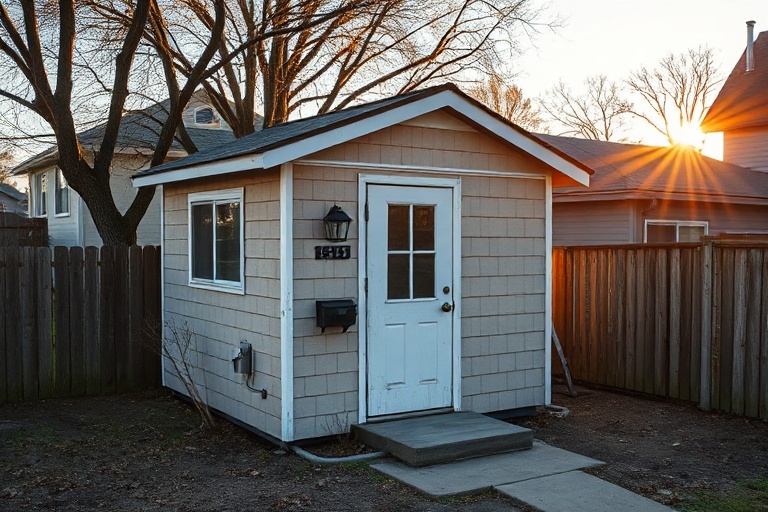
Accessory Dwelling Units (ADUs) have quietly transformed neighborhoods across the country. These small, secondary homes—often tucked into backyards or converted garages—are reshaping how communities approach housing shortages and urban density. What began as a niche solution has become a cornerstone of modern housing policy, offering affordability without sacrificing livability.
The rise of ADUs reflects deeper shifts in housing demand. With home prices soaring and urban sprawl straining infrastructure, cities are turning to these compact dwellings as a sustainable alternative. They provide homeowners with rental income, create affordable housing options, and help preserve neighborhood character. Yet the path to widespread ADU adoption hasn’t been without challenges.
The Growing Appeal of ADUs
ADUs come in many forms: detached backyard cottages, garage conversions, or even basement apartments. Their flexibility makes them ideal for multigenerational living, short-term rentals, or simply extra space for family members. Unlike traditional home extensions, ADUs operate independently, with their own utilities and entrances.
One of the most compelling benefits is affordability. Building an ADU is often cheaper than purchasing a new home, and their smaller size translates to lower utility costs. For renters, ADUs provide a middle ground between high-rise apartments and single-family homes, often at a fraction of the price.
Beyond economics, ADUs foster community in unexpected ways. Homeowners who rent them out frequently report stronger neighborhood ties, as tenants become long-term residents rather than transient renters. In cities like Portland and Los Angeles, ADU programs have helped stabilize communities by preventing displacement in gentrifying areas.
Policy and Practical Challenges
The road to ADU adoption hasn’t been smooth. Zoning laws, construction costs, and neighborhood resistance have slowed progress in many regions. Some cities impose strict size limits or require expensive permits, making ADUs financially unfeasible for average homeowners. Others face pushback from residents who fear increased traffic or altered neighborhood aesthetics.
However, policy shifts are beginning to change the landscape. States like California and Oregon have passed laws reducing barriers to ADU construction, including streamlined permitting and relaxed size restrictions. These changes reflect a growing recognition that ADUs can ease housing crises without sacrificing quality of life.
Still, challenges remain. Construction delays, material shortages, and labor costs can drive up expenses, pricing out many potential builders. For low-income homeowners, securing financing for an ADU can be difficult, as traditional mortgages often don’t account for secondary structures.
Key Considerations Before Building an ADU
- Zoning Laws: Check local regulations to ensure ADUs are permitted in your area. Some cities have strict limits on size, height, or placement.
- Budgeting: Costs vary widely, from $50,000 for a simple garage conversion to $200,000+ for a custom-built cottage. Factor in permits, utilities, and potential rental income.
- Design and Functionality: Maximize space with multifunctional furniture, efficient layouts, and natural lighting. Consider future needs, such as aging-in-place features.
- Neighborhood Impact: Communicate with neighbors early to address concerns about privacy, parking, or property values.
- Financing Options: Some lenders offer specialized loans for ADUs, while government programs may provide grants or low-interest financing.
The Broader Housing Revolution
ADUs are more than just a housing trend—they represent a fundamental shift in how we think about urban living. As climate concerns grow and housing affordability becomes a global issue, these small homes offer a scalable solution. Their ability to integrate seamlessly into existing neighborhoods makes them a rare win-win: homeowners gain value, renters find affordable options, and cities reduce sprawl.
Critics argue that ADUs alone won’t solve housing shortages, and they’re right. However, when combined with other policies—like affordable housing incentives and transit-oriented development—they become a powerful tool. Cities like Minneapolis and Seattle have seen success by pairing ADU-friendly zoning with other reforms, proving that incremental change can yield meaningful results.
The future of ADUs will likely be shaped by technology and innovation. Prefabricated ADU kits, 3D-printed homes, and modular designs are making construction faster and more affordable. As these technologies mature, ADUs could become even more accessible, further democratizing housing opportunities.
Final Thoughts: A Model for the Future?
ADUs challenge the notion that bigger always means better. In an era of climate anxiety and economic uncertainty, they offer a pragmatic alternative—one that prioritizes efficiency without sacrificing comfort. For homeowners, they’re an investment in flexibility. For renters, they’re a lifeline. For cities, they’re a step toward sustainability.
As more communities embrace ADUs, the lessons learned will extend beyond housing. They remind us that small changes can have outsized impacts, and that solutions to complex problems often lie in reimagining what’s already there. Whether you’re a homeowner considering an ADU or a policymaker exploring housing reform, the message is clear: sometimes, the smallest homes can make the biggest difference.
For those interested in exploring further, Dave’s Locker News covers housing trends and policy shifts, while Dave’s Locker Analysis dives deeper into the economic and social implications of urban development.