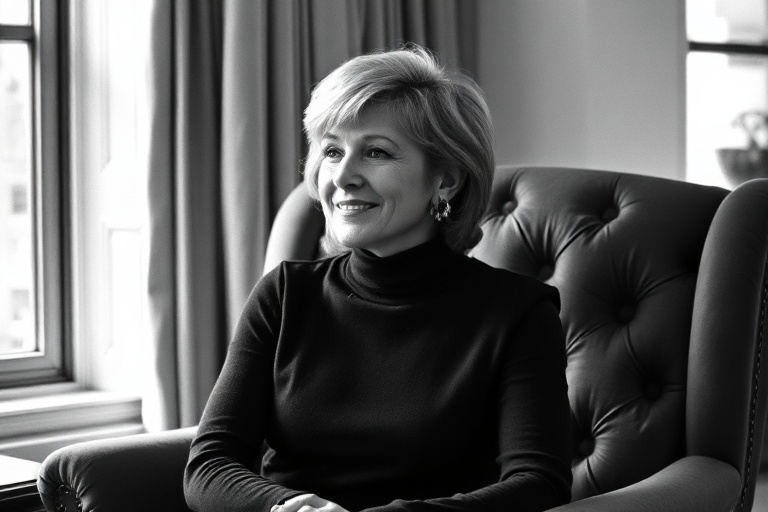
Barbra Streisand: A Voice That Transcends Generations
Few performers have shaped the cultural landscape as profoundly as Barbra Streisand. For over seven decades, she has crafted a legacy not merely as an entertainer but as a symbol of artistic fearlessness and reinvention. With a voice capable of both commanding operatic precision and conveying raw emotional depth, Streisand has carved a niche that extends far beyond the boundaries of traditional stardom.
Born on April 24, 1942, in Brooklyn, New York, Streisand’s early life was marked by hardship and ambition. Raised in a modest household by a single mother, she found solace in music and performance. By the age of nine, she was singing in amateur productions before landing her breakthrough role in the 1962 Off-Broadway production I Can Get It for You Wholesale. This performance caught the attention of critics and audiences alike, setting the stage for a career that would redefine American entertainment.
The Evolution of a Star: From Stage to Screen
Streisand’s ascent to fame was meteoric. In 1964, she starred in the Broadway musical Funny Girl, a role that would become synonymous with her name. The show’s success led to a film adaptation in 1968, where she reprised her role as Fanny Brice and won the Academy Award for Best Actress. This achievement made her the first actress to win an Oscar for a film debut—a record that still stands today.
Her filmography is a testament to her versatility. From the musical brilliance of Hello, Dolly! (1969) to the dramatic intensity of The Prince of Tides (1991), Streisand has demonstrated an unparalleled ability to inhabit diverse characters. Notably, she also directed several of her films, including The Prince of Tides and Yentl (1983), making her one of the few women to helm major studio productions during her era.
Streisand’s influence extended beyond Hollywood. In the 1970s, she became a prominent voice in the women’s movement, using her platform to advocate for gender equality and social justice. Her activism often intersected with her art, as seen in Yentl, a film that explored themes of Jewish identity and female empowerment long before such narratives became mainstream.
A Global Icon: Music and Cultural Impact
While Streisand’s film career is well-documented, her contributions to music are equally monumental. With over 50 studio albums, she has sold more than 70 million records worldwide, making her one of the best-selling artists of all time. Her discography spans multiple genres, from jazz and Broadway standards to pop and contemporary ballads.
Her 1963 debut album The Barbra Streisand Album earned her two Grammy Awards, including Album of the Year. This record showcased her distinctive contralto voice, which could effortlessly transition from tender melodies to powerful crescendos. Over the years, she has continued to innovate, collaborating with artists across genres and even experimenting with disco in the late 1970s. Her 1979 hit Songbird remains a timeless classic, exemplifying her ability to blend sophistication with accessibility.
Streisand’s impact on global music culture is undeniable. In Israel, where she has performed multiple times, her concerts are often met with overwhelming enthusiasm. Her connection to Jewish heritage is deeply embedded in her work, from her 1985 album Yentl (inspired by the film) to her 2012 album Release Me, which featured songs from the Great American Songbook. Her performances in the Middle East have also sparked conversations about diplomacy and cultural exchange, further cementing her role as a global ambassador.
To explore more about the intersection of music and cultural influence, visit our Music category for additional insights.
Legacy and Influence: A Lasting Mark on Pop Culture
Streisand’s influence extends beyond her artistic achievements. She has paved the way for generations of female performers, breaking barriers in an industry often dominated by male voices. Her success in both film and music demonstrated that women could excel in multiple creative fields simultaneously—a rarity in the mid-20th century.
Her personal life has also been a subject of public fascination. Married to actor Elliott Gould in the 1960s and later to businessman James Brolin, Streisand has navigated the complexities of fame with a level of discretion that contrasts with the tabloid culture of today. Her relationships and personal struggles, including her activism for women’s rights and LGBTQ+ issues, have added layers to her public persona.
Today, Streisand remains active in philanthropy and advocacy. She has donated millions to organizations supporting education, healthcare, and the arts. Her work with the Streisand Foundation, established in 1986, reflects her commitment to social change. Among its initiatives, the foundation has supported environmental conservation, women’s health, and civil liberties.
Why Streisand’s Career Still Matters
In an era where pop stars often dominate headlines for fleeting moments, Streisand’s enduring relevance is a reminder of the power of substance over spectacle. Her career is a masterclass in artistic integrity, demonstrating how longevity in entertainment is achieved not through trends but through mastery, adaptability, and a willingness to challenge norms.
Streisand’s ability to reinvent herself while staying true to her artistic vision is a lesson for artists across disciplines. Whether through her music, films, or activism, she has consistently used her platform to elevate conversations about identity, equality, and the human experience. Her work remains a touchstone for those seeking inspiration in both art and life.
As we reflect on her legacy, it is clear that Barbra Streisand is more than a relic of the past—she is a living testament to the enduring power of artistry. Her voice, her vision, and her unwavering commitment to her craft continue to resonate with audiences worldwide, proving that true artistry knows no expiration date.