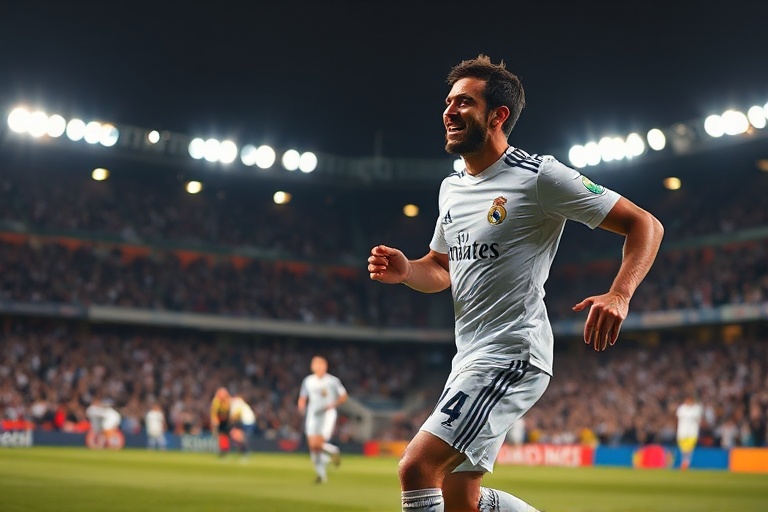
When Manchester United secured Casemiro from Real Madrid in August 2022, the move was more than just a high-profile signing—it was a statement. The Brazilian midfielder, known for his defensive tenacity and leadership, arrived at Old Trafford with expectations that stretched far beyond his role in the team. His transfer marked a strategic pivot for a club in transition, one that sought to blend experience with youthful energy. Two seasons later, his impact remains a focal point of analysis for fans and pundits alike.
The transfer fee, reported to be around £60 million, was substantial but not unprecedented in the modern game. What set it apart was the context. Manchester United were rebuilding under Erik ten Hag, and Casemiro’s arrival signaled a clear intent to solidify their midfield. His ability to break up play, distribute efficiently, and provide a calming presence in high-pressure situations addressed a longstanding need. Yet, the transfer also raised questions about the club’s long-term vision and financial strategy.
The Strategic Importance of Casemiro’s Move
Casemiro’s transfer was not merely a reactive decision but part of a broader tactical evolution for Manchester United. His profile fit Ten Hag’s system, which prioritized control and physicality in midfield. The Dutch manager had previously relied on the likes of Scott McTominay and Fred, but neither possessed the same combination of defensive acumen and technical ability as the Brazilian. Casemiro’s arrival allowed Ten Hag to deploy a double pivot, with Bruno Fernandes often playing higher up the pitch.
Defensively, Casemiro’s contributions were immediate and undeniable. In his first season, he made 33 Premier League appearances, contributing crucial tackles, interceptions, and aerial duels. His ability to shield the backline was particularly valuable in games where United struggled to maintain possession. Offensively, while not his primary role, he contributed 3 goals and 2 assists, proving that he could impact the game in multiple ways. His presence also had an intangible effect—a sense of stability that younger players could lean on.
Financially, the transfer was a statement of intent. Manchester United had spent heavily on the likes of Jadon Sancho and Antony, but Casemiro’s signing was different. He was a proven winner, having won five Champions League titles with Real Madrid. His arrival sent a message to both the squad and the fanbase: United were willing to invest in quality, not just potential. This approach aligned with the club’s ambition to return to the top of English football, even if the results on the pitch remained inconsistent.
Reactions and Criticisms Surrounding the Transfer
Not everyone was convinced by Casemiro’s arrival. Some critics argued that his age—he was 30 at the time of the transfer—made him a risky investment. While his physical attributes remained elite, questions lingered about his long-term suitability for the Premier League’s demanding schedule. Others pointed to the financial outlay, suggesting that the funds could have been better spent on younger, more dynamic players who could grow with the team.
The transfer also sparked debates about Manchester United’s transfer policy under the Glazer ownership. The club had a history of high-profile signings that often underperformed, from Angel Di Maria to Paul Pogba. Casemiro’s case was different—he delivered consistently—but the broader concern about financial prudence persisted. The fee, while not record-breaking, was still significant, and some fans questioned whether the club was prioritizing short-term fixes over sustainable growth.
Internally, the reaction was more positive. Players like Marcus Rashford and Luke Shaw have spoken about the impact Casemiro had on the squad’s mentality. His professionalism and winning mentality set a standard that younger players aspired to. Even critics acknowledged that his presence added a layer of maturity to a dressing room that had previously lacked such leadership.
The Broader Implications for Manchester United’s Future
Casemiro’s transfer serves as a case study in Manchester United’s ongoing identity crisis. The club is caught between its historic legacy and the need to modernize. Signings like his reflect a desire to balance tradition with progress, but they also highlight the challenges of navigating a league that has become increasingly unpredictable. The Premier League’s physicality demands a certain type of player, and Casemiro fit that mold perfectly.
Looking ahead, Casemiro’s role may evolve. At 32, he is no longer the long-term solution Ten Hag envisioned, but his experience remains invaluable. The club’s midfield options are gradually improving, with players like Kobbie Mainoo and Amad Diallo offering promise. However, the need for a defensive midfielder of Casemiro’s caliber is unlikely to diminish. His transfer, therefore, was not just about addressing an immediate need but also about setting a benchmark for future signings.
What’s Next for Casemiro and Manchester United?
As Manchester United continue to rebuild, Casemiro’s future remains a topic of speculation. His contract expires in 2025, and with the club’s financial constraints, a renewal is not guaranteed. Should he leave, it would mark the end of an era for a player who embodied the club’s pragmatic approach to transfers. Alternatively, if he stays, his role may shift toward mentoring younger players, ensuring that his legacy extends beyond his time on the pitch.
The transfer also raises broader questions about Manchester United’s transfer strategy. The club has shown a willingness to invest in experienced players, but will they continue to do so as they transition into a new era? The success of Casemiro’s move may influence future decisions, particularly if the club seeks to balance ambition with financial sustainability.
For fans, Casemiro’s time at United will be remembered as a period of transition—one marked by both promise and frustration. His signing was a bold move, and while it didn’t immediately transform the team’s fortunes, it provided a foundation upon which the club could build. As Manchester United look to the future, Casemiro’s legacy will serve as a reminder of the value of experience and leadership in a sport that often prioritizes youth and potential.
To explore more about Manchester United’s recent transfer strategies, visit our News section. For deeper analysis on tactical trends in modern football, check out our Analysis page.
A Final Assessment
Casemiro’s transfer to Manchester United was a calculated gamble that paid dividends in the short term. His impact on the team was immediate, both in terms of performance and mentality. However, the transfer also underscored the challenges of balancing ambition with pragmatism in a competitive league. As Manchester United continue to evolve, Casemiro’s role will be remembered as a pivotal chapter in the club’s ongoing story.
The transfer saga of Casemiro is more than just a story about a player moving clubs—it’s a reflection of Manchester United’s journey as they strive to reclaim their place among England’s elite. Whether his legacy will be one of success or missed opportunity remains to be seen, but his impact on the team is undeniable. In the ever-changing landscape of football, Casemiro’s transfer stands as a testament to the power of experience and the enduring appeal of a player who can change a team’s fortunes in an instant.