chelsea flower show
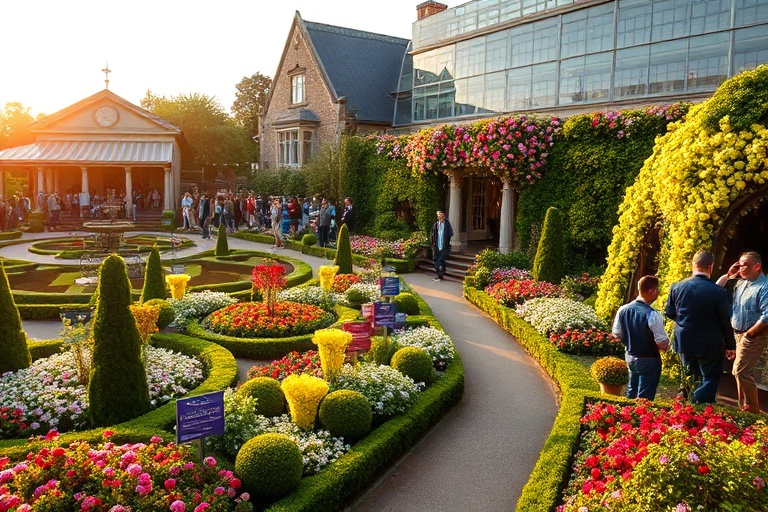
The Royal Horticultural Society’s Chelsea Flower Show stands as one of the most prestigious events in the gardening calendar. Held annually on the grounds of the Royal Hospital Chelsea in London, this five-day extravaganza attracts over 160,000 visitors, including gardening enthusiasts, landscape architects, and global media outlets. Established in 1913, the show has grown from a modest gathering of exhibitors to an internationally recognized showcase of innovation, artistry, and sustainability in horticulture.
Unlike other garden shows, Chelsea is distinguished by its strict rules regarding plant size and maturity, ensuring that displays are both visually stunning and botanically impressive. Exhibitors invest years of planning and cultivation into their gardens, knowing that a single flawless bloom can secure awards and industry recognition. The event also serves as a platform for emerging talent, with many designers making their professional debuts alongside established names like Sarah Eberle and Tom Stuart-Smith.
The Evolution of Chelsea: From Tradition to Innovation
Chelsea Flower Show has long been a barometer of horticultural trends. In the early 20th century, its gardens reflected the formal, structured aesthetics of Edwardian England. By the 1960s and 70s, a shift toward naturalistic planting styles emerged, influenced by the ecological awareness of the era. Today, the show balances these traditions with cutting-edge sustainability practices, including drought-resistant planting schemes and carbon-neutral construction methods.
One of the most notable recent trends is the integration of technology. In 2023, the RHS introduced a “Smart Garden” category, featuring automated irrigation systems, soil sensors, and solar-powered lighting. These innovations aim to address the challenges of climate change while appealing to younger, tech-savvy audiences. Another growing segment is the “Plant Health” focus, which highlights disease-resistant varieties and pest-management strategies essential for urban gardening.
The show’s commitment to education is also evident in its dedicated “School Gardens” competition, where students from across the UK design and build miniature landscapes. These projects not only foster horticultural skills but also teach principles of biodiversity and environmental stewardship. Such initiatives underscore Chelsea’s role as both a cultural institution and an educational resource.
Showcasing the Best: Award-Winning Gardens and Designers
Awards at Chelsea are highly coveted, with categories ranging from Best Show Garden to the coveted People’s Choice Award. The “Best in Show” title often goes to gardens that push boundaries in design and sustainability. For instance, the 2022 Gold Medal-winning “A Rewilding Britain Landscape” by Lulu Urquhart and Adam Hunt transformed a 100-square-meter plot into a thriving ecosystem, complete with native wildflowers and a small pond to support local wildlife. The garden’s success highlighted the growing demand for rewilding projects in both public and private spaces.
Designer Tom Dixon’s 2021 “The Discovery Garden” offered a futuristic take on urban gardening, featuring hydroponic towers and recycled materials. The garden’s modular design allowed visitors to envision how such systems could be scaled for community use. Dixon’s work exemplifies Chelsea’s role in bridging the gap between experimental concepts and practical applications.
Among the show’s most celebrated figures is Sarah Eberle, whose 2019 “Floating Garden” won Gold and later inspired a permanent installation at the RHS Garden Wisley. Eberle’s designs often incorporate water features and rare plant species, creating immersive experiences that challenge conventional notions of gardening. Her influence extends beyond Chelsea, shaping public and private landscapes worldwide.
Notable Awards and Winners (2020-2023)
- 2023 Best Show Garden: “The Balance Garden” by Tom Massey and Je Ahn – A commentary on biodiversity loss, featuring a central pond and native plant species.
- 2022 People’s Choice Award: “The Sanctuary Garden” by Sophie Pierce and Tom Simpson – A tranquil retreat inspired by Japanese Zen gardens.
- 2021 Best Artisan Garden: “The Chocolate Garden” by Belén Deschamps – A whimsical exploration of cacao’s journey from pod to product.
- 2020 Gold Medal Winners: Multiple gardens showcased pandemic-inspired themes, such as “The COVID-19 Resilience Garden,” which emphasized mental health and self-sufficiency.
Beyond the Showgrounds: Impact on the Horticultural Industry
The Chelsea Flower Show’s influence extends far beyond its temporary installations. Each year, the event generates millions in revenue for local businesses, from florists to caterers, while also driving tourism to London. In 2019, the show contributed an estimated £27 million to the economy, according to a report by the RHS. The ripple effects are felt in the months following the event, as trends set at Chelsea trickle down to garden centers, nurseries, and landscaping firms across the UK and beyond.
For plant breeders, Chelsea is a launchpad for new varieties. In 2023, the show featured the debut of three new dahlias, including ‘Chelsea Star,’ a vibrant orange cultivar developed by Dutch breeder Dümmen Orange. These introductions often become bestsellers in the following season, demonstrating the show’s role in shaping consumer preferences. Similarly, the “Plant of the Year” competition, judged by a panel of experts, has propelled lesser-known species into the spotlight, such as the 2022 winner, the compact and fragrant Tiarella ‘Candy Floss’.
The event also serves as a networking hub for professionals. Trade days, held before the show opens to the public, allow exhibitors to connect with buyers, investors, and collaborators. For emerging designers, securing a spot at Chelsea can lead to commissions for high-profile projects, from private estates to public parks. The show’s alumni network includes some of the industry’s most influential figures, underscoring its role as a career-defining milestone.
Sustainability at the Forefront: Chelsea’s Green Initiatives
In response to growing environmental concerns, the RHS has made sustainability a cornerstone of the Chelsea Flower Show. Since 2020, all gardens must adhere to strict waste-reduction guidelines, with materials either reused, recycled, or donated post-event. The 2023 show introduced a “zero-waste” goal, with exhibitors required to provide detailed plans for the disposal or repurposing of their installations. Gardens like “The Carbon Capture Garden,” designed by Jo Thompson, demonstrated how plants could be used to offset emissions, with features such as mycorrhizal fungi to enhance soil health.
Water conservation is another key focus. The RHS has banned single-use plastics in all catering areas and encourages exhibitors to use drought-tolerant plants in their designs. The 2022 “Drought-Tolerant Garden” by Garden Club London showcased species like Stipa tenuissima and Eryngium, proving that beauty and resilience can coexist. These efforts align with the RHS’s broader mission to promote sustainable gardening practices, as outlined in its “Greening Grey Britain” campaign.
Visitors to Chelsea are also encouraged to adopt eco-friendly habits. The event partners with organizations like the Woodland Trust to offer tree-planting opportunities, and attendees receive guidance on reducing their carbon footprint through gardening. These initiatives reflect a broader shift in the horticultural community toward environmental responsibility, with Chelsea leading by example.
Planning Your Visit: Tips for Making the Most of Chelsea
Attending the Chelsea Flower Show is an experience unlike any other, but it requires careful preparation. Tickets sell out months in advance, with prices ranging from £32 for standard entry to £125 for VIP packages that include access to exclusive talks and refreshments. For first-time visitors, the show can be overwhelming, so planning ahead is essential.
Start by reviewing the show guide, which includes a map of the gardens and a schedule of talks by industry experts. Popular demonstrations, such as the “Plant Surgery” sessions where experts diagnose plant diseases, often require early arrival. If you’re interested in purchasing plants, visit the “Great Pavilion,” where hundreds of nurseries showcase their wares. Be prepared to queue, as some stalls attract long lines for coveted varieties.
For those seeking a more relaxed experience, the “RHS Feel Good Gardens” area offers a tranquil space to unwind, while the “Floral Marquee” provides a sensory overload of colors and scents. Foodies will appreciate the diverse offerings, from artisanal sandwiches to gourmet teas, all sourced from local suppliers. Don’t miss the chance to try the “Chelsea Buns,” a traditional treat that dates back to the show’s early days.
If you’re traveling from outside London, consider combining your visit with a stay at one of the city’s historic hotels or a day trip to nearby attractions like the Victoria and Albert Museum or the Thames River Walk. The Chelsea Flower Show’s central location makes it easy to explore the capital’s cultural offerings before or after your visit.
Conclusion: Why Chelsea Flower Show Matters
The Chelsea Flower Show is more than just a garden exhibition; it is a testament to humanity’s enduring relationship with nature. In an era defined by urbanization and climate change, the show offers a vital reminder of the beauty and resilience of the natural world. Through its innovative designs, educational programs, and commitment to sustainability, Chelsea continues to shape the future of horticulture while preserving its rich traditions.
Whether you’re a seasoned gardener, a design enthusiast, or simply someone who appreciates the artistry of a well-tended landscape, the Chelsea Flower Show promises an unforgettable experience. It is a place where creativity flourishes, where new ideas take root, and where the simple act of planting a seed can inspire a global movement. As the show enters its second century, its legacy as a beacon of horticultural excellence remains as vibrant as the gardens it celebrates.
For those unable to attend in person, the RHS offers virtual tours and live streams, ensuring that the magic of Chelsea reaches audiences around the world. As the gardening world continues to evolve, one thing is certain: the Chelsea Flower Show will remain at its heart, nurturing the next generation of green-thumbed visionaries.
Explore more about gardening trends and events on Dave’s Locker Culture or dive into sustainable