Urban Identity and Cultural Fabric
Cincinnati and San Diego sit on opposite sides of the country, each with a personality shaped by geography, history, and economic forces. Cincinnati, Ohio’s third-largest city, anchors the Midwest with a legacy rooted in 19th-century trade, brewing, and manufacturing. Its skyline is a mix of historic brick buildings and modern glass towers, reflecting a city that honors its past while cautiously embracing growth. San Diego, California’s second-largest city, radiates a coastal identity defined by military presence, biotech innovation, and a thriving tourism sector fueled by near-perfect weather and beaches.
The cultural DNA of each city tells a different story. Cincinnati’s identity is deeply tied to its German immigrant roots, evident in the Over-the-Rhine district, once the largest contiguous historic district in the U.S. and now a hub for breweries, restaurants, and arts. The city’s annual Oktoberfest Zinzinnati is one of the largest in the country, drawing over half a million visitors each fall. San Diego, by contrast, is a melting pot influenced by both Mexican heritage and a steady stream of transplants from other states and nations. Neighborhoods like Barrio Logan and Little Italy pulse with art, food, and community energy.
A Tale of Two Waterfronts
The relationship with water defines both cities, but in contrasting ways. Cincinnati sits on the Ohio River, a working waterway that once carried steamboats and trade goods. Today, the riverfront has been reimagined with attractions like the National Underground Railroad Freedom Center and the redeveloped The Banks district, blending public space with residential and commercial development. The city’s riverfront is more about reclaiming history than exploiting leisure.
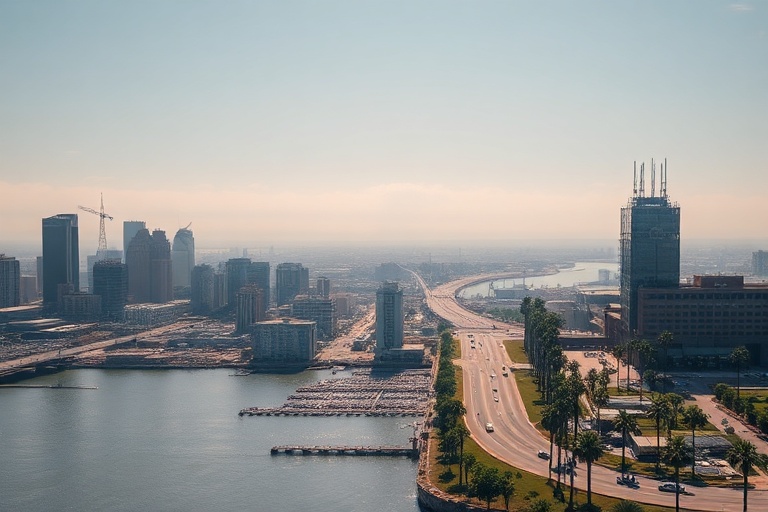
In San Diego, the Pacific Ocean is the centerpiece of urban life. From the bustling Embarcadero in the downtown core to the laid-back vibes of Mission Beach and La Jolla, the coastline drives the city’s economy and lifestyle. Tourism thrives on the promise of sun, surf, and sand, while the U.S. Navy’s presence—home to the largest concentration of military personnel in the world—anchors the local economy with stability and federal investment. Waterfront development in San Diego is less about preservation and more about maximizing access and experience.
Economic Engines and Quality of Life
Economically, Cincinnati and San Diego operate on different models. Cincinnati’s economy has diversified beyond its manufacturing roots, with growing sectors in healthcare (thanks to the University of Cincinnati Medical Center), logistics (due to its central location), and insurance (led by global giants like Procter & Gamble and Kroger headquarters). The city has become a regional hub for corporate services and education, supporting a stable middle-class workforce. However, it faces challenges in population growth and brain drain, with many young professionals seeking opportunities in larger metros like Chicago or Columbus.
San Diego’s economy is more externally driven. The city is a global leader in biotechnology, anchored by institutions like the Scripps Research Institute and UC San Diego, and home to major employers such as Qualcomm and Illumina. Tourism is another pillar, with the San Diego Zoo, SeaWorld, and numerous conventions generating billions annually. The military presence—including Naval Base San Diego, Marine Corps Base Camp Pendleton, and Coast Guard facilities—accounts for over 20% of the regional economy, providing steady employment but also creating dependency on federal spending. This makes the local economy more vulnerable to shifts in national defense policy.
Affordability and Housing
Housing costs reveal one of the starkest contrasts between the two cities. In Cincinnati, the median home price hovers around $250,000—well below the national average—making homeownership accessible for many middle-class families. Rent prices are similarly reasonable, averaging $1,200 per month for a two-bedroom apartment. The city’s lower cost of living has drawn remote workers and retirees, fueling a slow but steady population increase.
San Diego, by contrast, is one of the most expensive housing markets in the country. The median home price exceeds $850,000, and rent for a two-bedroom apartment averages $2,800 per month. High demand, limited space, and strict zoning laws have created a housing crisis, pushing many long-time residents to neighboring cities like Chula Vista or El Cajon. While high wages in tech and biotech help offset costs for some, rising inequality is visible in the growing number of homeless individuals in downtown and coastal areas.
Both cities face housing challenges, but for different reasons. Cincinnati struggles with stagnation and disinvestment in certain neighborhoods, while San Diego grapples with overheated growth and inequality. Each city offers a cautionary tale about how economic success can either lift or strain a community, depending on policy and planning.
Recreation, Climate, and Lifestyle
Lifestyle preferences in Cincinnati and San Diego cater to different personalities. Cincinnati offers four distinct seasons, with cold, snowy winters and warm, humid summers. Residents enjoy a calendar full of festivals, from the Cincinnati Reds’ opening day parade to the Bunbury Music Festival in the summer. The city’s park system, led by the 190-acre Eden Park, provides green space in an urban core. Sports fans have the Bengals (NFL) and FC Cincinnati (MLS), while cultural venues like the Cincinnati Symphony Orchestra and Cincinnati Art Museum draw regional audiences.
San Diego’s Mediterranean climate—mild, dry summers and warm winters—supports an outdoor-first lifestyle year-round. The city averages 266 days of sunshine annually, making it ideal for surfing, hiking, and beach volleyball. Outdoor enthusiasts flock to Torrey Pines State Reserve, Cabrillo National Monument, and the numerous trails in Mission Trails Regional Park. The food scene is diverse, with a strong emphasis on fresh seafood, craft beer, and international cuisines. San Diego’s craft beer culture is particularly notable, with over 120 breweries operating within city limits.
Urban Vitality and Nightlife
Nightlife in Cincinnati is concentrated in areas like Over-the-Rhine, Downtown, and the University of Cincinnati area. The city has seen a resurgence in live music venues, with spots like The Phoenix and The Midway welcoming indie bands and local acts. The food scene is celebrated, especially for its chili (a regional dish served over spaghetti), goetta (a German-inspired meat-and-grain sausage), and craft breweries like Rhinegeist and MadTree. However, the nightlife scene is smaller and quieter compared to larger coastal cities.
San Diego’s nightlife is more sprawling and diverse. Gaslamp Quarter in downtown is the epicenter of restaurants, bars, and clubs, drawing crowds from across Southern California. The city’s craft beer scene is unrivaled, with breweries like Stone Brewing, AleSmith, and Ballast Point leading the way. San Diego also has a thriving live music scene, with venues like Humphreys Concerts by the Bay and The Casbah hosting both local and national acts. The city’s proximity to Mexico adds to its culinary diversity, with authentic taco shops and seafood stands dotting neighborhoods like Ocean Beach and City Heights.
Broader Implications and Future Outlook
The comparison between Cincinnati and San Diego highlights broader trends in American urbanism. Cincinnati represents the challenges and opportunities of the Rust Belt: a city rebuilding after industrial decline, leveraging its cultural heritage, and seeking sustainable economic growth. Its success hinges on retaining young talent, improving public services, and fostering innovation without losing its unique identity.
San Diego, meanwhile, embodies the tensions of a coastal boomtown. Its strong economy and high quality of life attract global talent, but also drive inequality and environmental strain. The city’s ability to manage growth, address housing affordability, and balance development with sustainability will shape its future. San Diego’s model is increasingly relevant as more Americans migrate to warmer, coastal cities, putting pressure on infrastructure and resources.
Key Takeaways
- Economic Diversity: Cincinnati benefits from a balanced economy with strong corporate and healthcare sectors, while San Diego’s economy is more specialized, relying heavily on biotech and the military.
- Affordability: Cincinnati remains relatively affordable, making it attractive for middle-class families, while San Diego’s housing crisis highlights the risks of unchecked growth and demand.
- Cultural Identity: Cincinnati’s identity is rooted in its Midwest heritage and German influences, while San Diego’s is shaped by its coastal location, military presence, and multicultural communities.
- Lifestyle and Climate: Cincinnati offers four seasons and a slower pace, whereas San Diego’s year-round sunshine and outdoor lifestyle appeal to those seeking warmth and activity.
- Challenges Ahead: Cincinnati must address brain drain and disinvestment, while San Diego needs to tackle housing affordability and environmental sustainability to maintain its appeal.
Both cities serve as microcosms of broader national trends: the struggle of Rust Belt cities to reinvent themselves, and the growing pains of coastal cities facing climate change, housing shortages, and economic inequality. Their trajectories will offer lessons for policymakers, urban planners, and residents across the country.
For more insights on urban development and city comparisons, explore our News and Analysis sections on Dave’s Locker.