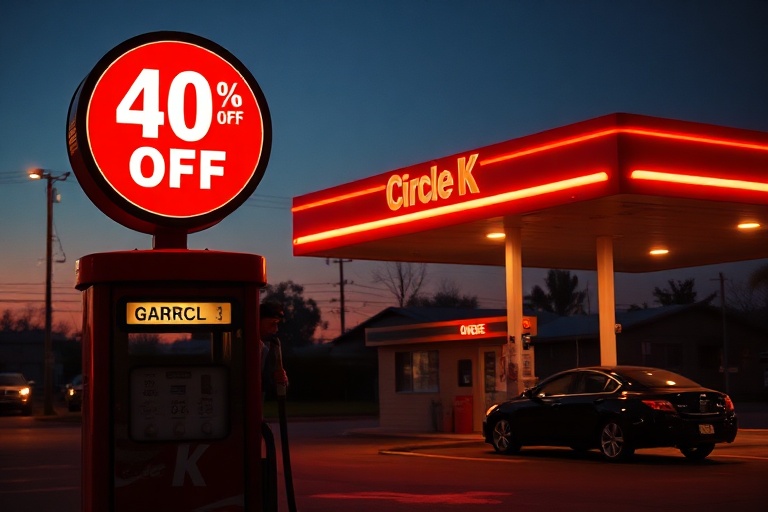
Circle K’s 40-Cent Gas Discount: A Smart Move or Unsustainable Gamble?
Circle K’s recent promotion offering 40 cents off per gallon of gas has sparked attention among drivers and industry observers alike. The temporary price reduction, which rolled out in select markets, reflects broader trends in fuel pricing strategies and consumer incentives. While the offer is limited in duration, its implications extend beyond immediate savings for customers, hinting at potential shifts in how convenience stores and gas stations compete in a tightening market.
Convenience stores like Circle K have long relied on fuel sales as a primary revenue driver, often using gas prices as a magnet to draw customers into their stores. The 40-cent discount isn’t just a fleeting gesture—it’s a calculated move aimed at maintaining relevance in an era where electric vehicles and alternative fuel sources are gaining traction. For now, however, gasoline remains a critical commodity, and promotions like this one serve as a reminder of the competitive landscape.
How the Promotion Works and Where It’s Available
The 40-cent discount applies to regular unleaded gasoline at participating Circle K locations. Customers must use the Circle K rewards app to claim the offer, which is valid for a limited time and subject to regional availability. The promotion is part of a broader push by the chain to differentiate itself in a crowded market dominated by giants like 7-Eleven and Valero.
Not all locations participate, and the discount may vary based on location-specific pricing. This targeted approach allows Circle K to test the strategy’s effectiveness before expanding it nationwide. The use of a rewards app also aligns with the company’s digital-first strategy, encouraging app adoption while driving foot traffic.
- Discount structure: 40 cents off per gallon, redeemable via the Circle K app.
- Duration: Limited-time offer, with no fixed end date announced yet.
- Geographic scope: Currently available in select markets, likely to expand based on performance.
- Eligibility: Requires a Circle K rewards account and app usage at checkout.
The Broader Context: Fuel Pricing in a Changing Market
Fuel pricing has always been a volatile metric, influenced by geopolitical events, supply chain disruptions, and seasonal demand. Circle K’s discount is a response to these fluctuations, but it also reflects a strategic pivot. As gas prices remain a sensitive topic for consumers—especially amid inflation concerns—retailers are under pressure to offer tangible savings without eroding their own margins.
This promotion comes at a time when convenience stores are diversifying their revenue streams. Many are expanding their foodservice offerings, introducing healthier options, and even testing electric vehicle charging stations. The 40-cent discount, while a strong draw for drivers, also serves as a gateway to higher-margin in-store purchases. It’s a classic loss-leader strategy, where the short-term loss on fuel is offset by increased sales of snacks, beverages, and other convenience items.
Industry analysts suggest that such promotions are becoming more frequent as retailers compete for a shrinking pool of loyal customers. With gas prices fluctuating wildly, consumers are quick to switch brands if they perceive better value elsewhere. Circle K’s move isn’t just about saving money for drivers—it’s about reinforcing brand loyalty in an increasingly fragmented market.
Consumer Behavior and the Psychological Impact of Discounts
Psychologically, discounts like this one tap into a well-documented consumer behavior: the thrill of a good deal. Even if the savings amount to just a few dollars per fill-up, the perception of value can drive significant behavior change. For Circle K, this means not only attracting new customers but also encouraging repeat visits from existing ones.
The app-based redemption adds another layer to the strategy. By requiring users to download and engage with the Circle K app, the company is not only driving digital adoption but also gathering valuable data on customer preferences. This data can then be used to tailor future promotions, making them more effective and personalized.
However, the long-term success of this promotion depends on several factors. If the discount proves unsustainable due to rising fuel costs or supply chain issues, Circle K may struggle to maintain the offer without cutting into profits. Additionally, competitors could respond with even more aggressive pricing strategies, leading to a race to the bottom that benefits no one in the long run.
What’s Next for Circle K and the Gas Station Industry?
Circle K’s 40-cent discount is a bold experiment in a competitive industry. If successful, it could become a permanent fixture in the company’s marketing playbook, setting a new standard for fuel promotions. Alternatively, it may serve as a temporary boost to market share, with the company reverting to more traditional pricing strategies once the promotion ends.
For the broader gas station industry, this move highlights the growing importance of digital integration and customer loyalty programs. As fuel becomes less of a differentiator, retailers are increasingly turning to technology and in-store experiences to stand out. Circle K’s promotion is a microcosm of this trend, blending a simple discount with a digital twist to create a more engaging customer experience.
Ultimately, the success of this strategy will depend on Circle K’s ability to balance short-term gains with long-term sustainability. If executed well, the promotion could reinforce the company’s position as a customer-friendly brand. If not, it may serve as a cautionary tale about the risks of over-reliance on price-based incentives.
A Look at the Competition
Circle K isn’t alone in its quest to attract customers through fuel discounts. Competitors like 7-Eleven and Casey’s General Stores have also experimented with similar promotions, though none have matched the 40-cent discount in scale. The key differentiator for Circle K is its integration of the rewards app, which adds a layer of convenience and data collection that traditional discounts lack.
For consumers, this means more options—and more opportunities to save. However, it also underscores the need to stay informed about regional pricing and promotion terms. Not all discounts are created equal, and understanding the fine print can make a significant difference in the value you receive.
Final Thoughts: A Temporary Fix or a New Normal?
Circle K’s 40-cent gas discount is a fascinating case study in retail strategy. It’s a short-term tactic with long-term implications, blending digital innovation with traditional marketing. Whether it becomes a permanent fixture or a fleeting experiment remains to be seen, but one thing is clear: the gas station industry is evolving, and promotions like this one are just the beginning.
For drivers, the takeaway is simple: take advantage of the discount while it lasts, but also consider the bigger picture. Fuel prices are influenced by countless factors, and no single promotion can change the fundamental dynamics of the market. Still, in a world where every penny counts, Circle K’s offer is a reminder that even small savings can make a difference.
As always, staying informed and adaptable is key. Whether you’re a loyal Circle K customer or just passing through, keeping an eye on promotions and rewards programs can help you stretch your budget further.
Visit our Trending section for more updates on retail and consumer trends.
Explore our Automotive category for deeper analysis on fuel prices and industry shifts.