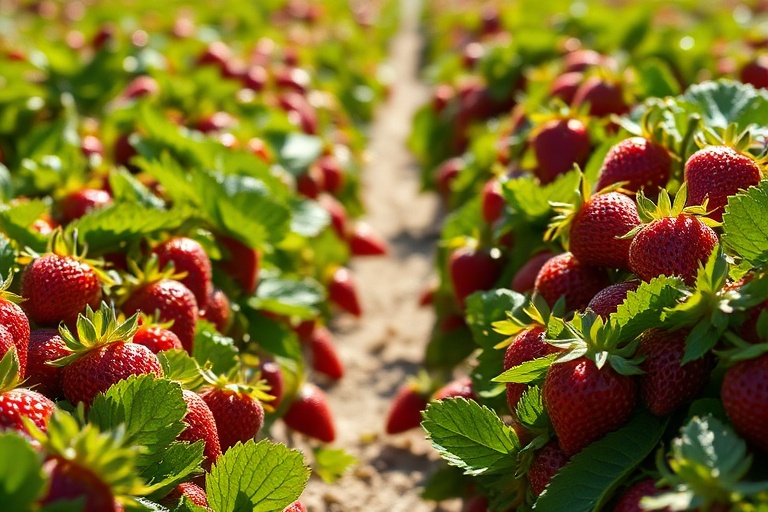
The Driscoll’s brand has long stood as a titan in the berry industry, synonymous with quality and consistency. In 2024, the company finds itself at a crossroads, balancing innovation with growing scrutiny over labor practices, supply chain transparency, and environmental responsibility. Recent developments have thrust Driscoll’s into the spotlight, prompting both praise and criticism from consumers, activists, and industry analysts alike.
The Rise of Driscoll’s: A Legacy of Quality and Expansion
Founded in 1904 in California’s Pajaro Valley, Driscoll’s began as a small family farm before evolving into a global leader in berry production. The company’s success hinged on two key innovations: proprietary berry varieties developed through selective breeding and a direct-to-consumer model that prioritized freshness and flavor. By the 21st century, Driscoll’s had expanded its operations to over 20 countries, supplying supermarkets worldwide with strawberries, raspberries, blueberries, and blackberries.
Driscoll’s market dominance is built on a reputation for premium quality, but this reputation has faced challenges in recent years. Climate change has disrupted growing seasons, labor shortages have strained supply chains, and consumer demand for ethical sourcing has intensified. The company’s response to these pressures has been a mix of adaptation and resistance, sparking debates about the future of industrial agriculture.
Key Milestones in Driscoll’s History
- 1904: Founded by Richard and Edith Driscoll in Watsonville, California.
- 1960s: Pioneered the first patented strawberry variety, ‘Selva,’ which became a commercial success.
- 1990s: Expanded into raspberries and blueberries, diversifying its product line.
- 2010s: Entered international markets, including Mexico, Portugal, and China.
- 2020: Launched a sustainability initiative, pledging to reduce water usage and carbon emissions by 2030.
Recent Controversies: Labor Practices and Supply Chain Transparency
Driscoll’s has faced increasing scrutiny over its labor practices, particularly in the United States and Mexico, where much of its berry production occurs. Reports from advocacy groups such as the Farmworker Justice organization have highlighted issues including wage theft, unsafe working conditions, and the use of temporary visa programs that leave workers vulnerable to exploitation.
The company has defended its practices, pointing to partnerships with growers who adhere to labor standards and its participation in the Fair Trade Certified program for some products. However, critics argue that these measures are insufficient, given the scale of Driscoll’s operations and the persistent reports of abuse. In 2023, a coalition of labor rights groups filed a complaint with the U.S. Department of Labor, alleging violations of the Fair Labor Standards Act in Driscoll’s supply chain.
Environmental Concerns and Sustainability Efforts
Driscoll’s sustainability initiatives have also come under fire. While the company has committed to reducing its environmental footprint, activists question whether these goals are ambitious enough. The berry industry is resource-intensive, requiring significant water, pesticides, and land. Driscoll’s has invested in drip irrigation and integrated pest management, but critics argue that more needs to be done to address the ecological impact of large-scale monoculture farming.
In response to these concerns, Driscoll’s has partnered with organizations like the Water Education Foundation to promote conservation efforts. However, the company’s reliance on conventional farming methods in some regions continues to draw criticism from environmentalists who advocate for organic and regenerative agriculture.
Market Dynamics: Competition and Consumer Trends
The berry market is highly competitive, with Driscoll’s facing pressure from both traditional growers and newer, niche brands. Companies like Baldor Specialty Foods and organic-focused brands have gained traction by emphasizing local sourcing and organic certification. Meanwhile, international competitors from Chile, Peru, and Spain have increased their exports to the U.S., offering lower prices that challenge Driscoll’s premium positioning.
Consumer preferences are also shifting. Shoppers increasingly prioritize transparency, ethical sourcing, and sustainability when making purchasing decisions. A 2023 Nielsen report found that 73% of consumers are willing to pay more for products that align with their values. This trend has forced Driscoll’s to rethink its marketing strategies, emphasizing its heritage and quality while addressing concerns about labor and environmental impact.
Driscoll’s Response to Market Challenges
- Product Diversification: Expanding into frozen and organic berry lines to cater to health-conscious consumers.
- Direct-to-Consumer Sales: Launching an online store to bypass traditional retail channels and connect with customers directly.
- Partnerships: Collaborating with food service companies and meal kit providers to increase visibility.
- Marketing Campaigns: Highlighting family farming heritage and sustainability efforts in advertising.
Broader Implications: The Future of Industrial Agriculture
Driscoll’s story reflects broader tensions within the agricultural industry. On one hand, the company’s innovations have made fresh berries accessible year-round, transforming global food systems. On the other hand, its practices underscore the challenges of balancing profitability with ethical and environmental responsibility. The company’s experience offers valuable lessons for other players in the industry, highlighting the need for systemic change.
For consumers, Driscoll’s serves as a case study in the complexities of food production. While the brand’s berries are celebrated for their taste, the conditions under which they are grown and harvested raise important questions. As demand for transparency grows, companies like Driscoll’s must adapt or risk losing market share to competitors who prioritize ethical and sustainable practices.
What’s Next for Driscoll’s?
Looking ahead, Driscoll’s faces a critical juncture. The company must navigate the dual pressures of maintaining its market leadership while addressing labor and environmental concerns. Potential strategies include:
- Strengthening Labor Protections: Implementing stricter audits of grower partners and increasing wages for farmworkers.
- Investing in Sustainability: Accelerating the adoption of regenerative farming practices and reducing reliance on synthetic inputs.
- Enhancing Transparency: Providing clearer information about sourcing and production methods to build consumer trust.
- Exploring New Markets: Expanding into regions with less stringent labor and environmental regulations, while ensuring ethical compliance.
Driscoll’s has the resources and expertise to lead meaningful change in the agricultural sector. Whether it chooses to do so may well determine its legacy in an era of heightened consumer awareness and accountability.
Conclusion: A Brand at a Crossroads
Driscoll’s strawberries have long been a staple in households across the globe, but the company’s future hinges on its ability to evolve. The challenges it faces—labor disputes, environmental concerns, and shifting consumer preferences—are not unique to Driscoll’s but emblematic of broader industry-wide issues. How the company responds will shape its reputation and influence for decades to come.
For consumers, the Driscoll’s story is a reminder of the importance of informed purchasing. Supporting brands that prioritize ethical and sustainable practices can drive meaningful change. As the conversation around food production continues, Driscoll’s has an opportunity to redefine its role in the industry, proving that quality and responsibility can coexist.
One thing is certain: the berries will keep growing, but the standards by which they are judged are evolving. Driscoll’s must rise to meet this moment or risk being left behind.
For more insights into agricultural trends and industry analysis, visit our News and Business sections.