Eid al-Adha 2026: Dates, Traditions, and Global Celebrations
As the Islamic lunar calendar shifts annually, Eid al-Adha in 2026 will present unique timing and cultural expressions across the globe. The festival, known as the Festival of Sacrifice, commemorates Prophet Ibrahim’s willingness to sacrifice his son as an act of obedience to God, before being replaced with a ram by divine intervention. This solemn occasion blends deep spiritual reflection with communal joy, creating a tapestry of traditions observed from Morocco to Malaysia.
The date of Eid al-Adha is determined by the sighting of the Dhu al-Hijjah moon, which marks the beginning of the Islamic month when Hajj pilgrimage takes place. For 2026, astronomical projections suggest the holiday will likely fall on or around June 27, though final confirmation will depend on moon sightings in Saudi Arabia and local religious authorities worldwide. This places the celebration in the early summer, potentially affecting travel plans, work schedules, and family gatherings for millions.
The Spiritual and Ritual Significance of Eid al-Adha
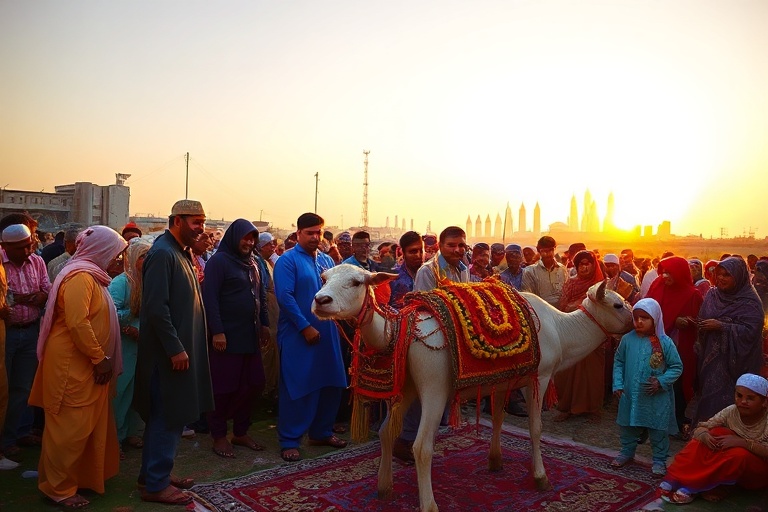
At its core, Eid al-Adha is a time of worship and remembrance. The day begins with a special congregational prayer, known as Salat al-Eid, followed by a sermon that emphasizes sacrifice, gratitude, and devotion. Families gather to perform Qurbani—sacrificing an animal such as a sheep, goat, cow, or camel—and distribute the meat among family, friends, and the needy. This act reinforces the values of charity and social responsibility central to Islamic teachings.
For pilgrims in Mecca, Eid al-Adha is the climax of Hajj, one of the Five Pillars of Islam. On the Day of Arafat, which precedes Eid, millions stand in prayer on the plains of Arafat, seeking forgiveness and spiritual renewal. The experience is transformative for many, fostering a sense of unity and humility before God. Even for those not performing Hajj, Eid becomes a moment to reconnect with faith and community.
Key Rituals and Observances
- Eid Prayer: Performed in the morning at mosques or open prayer grounds, involving two rak’ahs with additional takbeers.
- Qurbani (Sacrifice): An animal is slaughtered after the Eid prayer, with meat divided into three parts: family, friends, and the poor.
- Charity and Zakat: Increased emphasis on giving, including Fitrana (charity before Eid prayer) and general donations.
- Visiting Family and Friends: Homes are opened to guests, meals are shared, and forgiveness is sought.
- Wearing New Clothes: Many wear their finest attire, often in green or white, symbolizing renewal and purity.
Global Traditions: How Eid al-Adha is Celebrated Around the World
While the spiritual essence remains constant, local customs transform Eid into a vibrant cultural expression. In Turkey, families prepare baklava and güllaç, while in Morocco, women craft intricate henna designs and prepare couscous with lamb. South Asian communities, particularly in Pakistan and India, celebrate with biryani and nihari, accompanied by sweets like sheer khurma. In East Africa, communities in Kenya and Tanzania share pilau and mandazi, often in large outdoor gatherings.
In the West, Muslim communities have adapted traditions to fit their environments. In the United Kingdom, Eid fairs and markets pop up in cities like London, Birmingham, and Manchester, offering halal food, clothing, and entertainment. Mosques and Islamic centers host open days, inviting neighbors of other faiths to learn about the holiday. In the United States, Eid celebrations range from barbecues in Texas to masjid open houses in New York, reflecting the diversity of the Muslim diaspora.
“Eid is not just a religious holiday—it’s a cultural bridge. Whether through food, fashion, or fellowship, it connects people across continents and generations.” — Dr. Amina Yusuf, Islamic Studies Professor at Cairo University
Eid al-Adha 2026: Logistics, Travel, and Social Impact
The timing of Eid al-Adha in 2026 presents both opportunities and challenges. With the holiday expected in late June, families planning Hajj or Umrah must book flights and accommodations well in advance, as demand peaks during this period. Airlines often adjust schedules to accommodate pilgrims, while hotels in Mecca and Medina fill up months ahead. Travelers should also consider visa requirements, especially for countries with strict entry policies.
For those not traveling, Eid becomes a time of local celebration. Cities with large Muslim populations, such as Dearborn, Michigan, and Dewsbury, England, see temporary closures of roads for Eid markets and parades. Schools and workplaces may grant additional leave, though policies vary by region. Employers are increasingly recognizing the importance of accommodating religious observances, with many introducing floating holidays or flexible schedules to support diversity and inclusion.
Economic and Social Implications
- Retail and Consumer Spending: The weeks leading up to Eid see a surge in sales of clothing, jewelry, and gifts, particularly in Muslim-majority countries where retail revenue can increase by 30% compared to other months.
- Food Industry Impact: Demand for halal meat, spices, and sweets rises sharply, benefiting local farmers and businesses. In countries like Indonesia and Bangladesh, small-scale livestock farmers experience a seasonal boost in income.
- Community Initiatives: Charities and NGOs launch Eid-specific campaigns to distribute food and clothing to low-income families, often partnering with mosques and community centers.
- Tourism and Hospitality: Countries like Saudi Arabia, Turkey, and Malaysia promote Eid packages, offering cultural tours, spiritual retreats, and family-friendly activities to attract visitors.
- Media and Representation: Eid sees increased coverage in mainstream media, with platforms like Netflix and YouTube releasing Eid-themed content to cater to diverse audiences.
Technology also plays a role in modern Eid celebrations. Mobile apps provide Qurbani calculators, prayer timings, and charity donation platforms. Social media platforms are flooded with Eid greetings, recipes, and live-streamed prayers, allowing global communities to connect in real time. However, this digital shift also raises questions about authenticity—how much of Eid’s spirit is preserved when celebrations are shared online rather than in person?
Looking Ahead: The Future of Eid al-Adha Celebrations
As the Muslim population continues to grow—projected to reach 2.8 billion by 2050—Eid al-Adha will evolve in response to demographic and technological changes. Urbanization may lead to smaller, more intimate celebrations in cities, while rural areas preserve traditional large gatherings. Climate change could also impact Qurbani practices, prompting discussions about sustainable alternatives, such as plant-based sacrifices or community meat-sharing programs.
Interfaith dialogue is another growing dimension of Eid. Communities increasingly invite neighbors, colleagues, and local leaders to join in iftar meals or Eid open houses, fostering mutual understanding. Educational institutions are incorporating lessons about Eid into curricula, helping students from all backgrounds learn about Islamic traditions.
For Muslim youth, Eid is both a celebration and a moment of identity negotiation. In multicultural societies, they may blend traditional customs with modern expressions—think Eid-themed TikTok dances or fusion fashion that combines cultural attire with contemporary styles. These adaptations ensure that Eid remains relevant across generations.
Ultimately, Eid al-Adha 2026 will be a testament to resilience, faith, and unity. Whether observed in the grandeur of Mecca’s Masjid al-Haram or in the quiet reflection of a suburban living room, the holiday’s core message endures: sacrifice for the sake of righteousness, and share your blessings with others. As communities prepare for the occasion, one thing is clear—Eid will continue to be a beacon of hope and connection in an ever-changing world.
For those looking to explore more about Islamic culture and traditions, Dave’s Locker Culture offers insightful articles on global customs, while Dave’s Locker Education provides resources on religious literacy and interfaith dialogue.