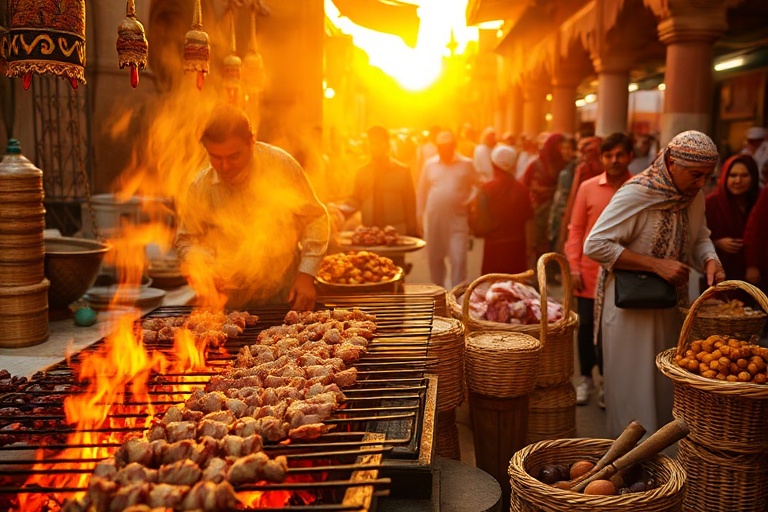
Eid al-Adha 2026: Global Dates, Traditions, and Modern Celebrations
Eid al-Adha, one of Islam’s most significant religious observances, will be celebrated worldwide in 2026. Known as the Festival of Sacrifice, it commemorates the Prophet Ibrahim’s willingness to sacrifice his son as an act of obedience to God, before being replaced by a lamb provided by heaven. The holiday spans four days, beginning on the 10th day of Dhu al-Hijjah, the twelfth month of the Islamic lunar calendar. While the exact Gregorian date shifts each year due to the Islamic calendar’s shorter cycle, Eid al-Adha in 2026 is projected to begin around June 26, based on lunar sightings.
Unlike Eid al-Fitr, which marks the end of Ramadan, Eid al-Adha falls during the Hajj pilgrimage in Mecca. Millions of Muslims travel to Saudi Arabia to fulfill this pillar of Islam, while communities across the globe gather for prayers, feasts, and acts of charity. The festival’s themes of sacrifice, gratitude, and unity resonate far beyond religious boundaries, influencing cultural practices from Southeast Asia to the Americas.
The Spiritual and Historical Significance of Eid al-Adha
At its core, Eid al-Adha is a time of spiritual reflection and devotion. The holiday’s origins trace back to the Quranic story of Ibrahim (Abraham), whose faith was tested when God commanded him to sacrifice his son, Ismail (Ishmael). Just as Ibrahim prepared to comply, Allah intervened, providing a ram in place of his son. This narrative underscores themes of trust, submission, and divine mercy—values central to Islamic teachings.
The four-day observance is structured around key rituals. On the first morning, Muslims gather for a special congregational prayer known as Salat al-Eid, often held in open spaces or large mosques. This is followed by the act of Qurbani, or animal sacrifice, where a sheep, goat, cow, or camel is slaughtered, with the meat distributed among family, friends, and the less fortunate. One-third is kept for personal consumption, one-third is shared with relatives, and one-third is given to those in need. This practice emphasizes communal responsibility and the importance of charity.
The timing of Eid al-Adha is deeply tied to the lunar calendar, meaning its Gregorian date varies annually. In 2026, the Islamic calendar’s alignment suggests the holiday will begin on June 26, though final dates depend on moon sightings in Saudi Arabia and local religious authorities. This variability adds a layer of anticipation and unity, as Muslims around the world await official announcements to synchronize their celebrations.
Eid al-Adha by the Numbers: A Global Perspective
Eid al-Adha is not just a religious event; it is a massive cultural and economic phenomenon. Here’s a snapshot of its global impact:
- 1.8 billion: The estimated number of Muslims worldwide who will observe Eid al-Adha in 2026, representing nearly one-quarter of the global population.
- $10 billion: The projected economic value of sacrificial animals traded globally for Qurbani, with demand peaking in countries like Pakistan, Indonesia, and Turkey.
- 3 million: The number of pilgrims expected to participate in Hajj in 2026, making it one of the largest annual gatherings of people on Earth.
- 50+ countries: Nations where Eid al-Adha is a public holiday, including Saudi Arabia, Malaysia, Egypt, and the United Arab Emirates, as well as several European countries with significant Muslim populations.
The economic ripple effects of Eid al-Adha are substantial. In countries like Pakistan and Bangladesh, the festival drives demand for livestock, boosting local farmers and traders. Meanwhile, in the Gulf states, luxury fashion and travel industries see a surge, as families invest in new clothing and holiday accommodations. In the West, Muslim communities organize large-scale charity drives, collecting funds for food banks and refugee organizations.
Technology has also transformed how people celebrate. Digital platforms now facilitate Qurbani donations, allowing Muslims in the diaspora to sponsor animals in their ancestral homelands. Apps and websites track livestock health and ensure ethical sourcing, addressing concerns about animal welfare. Social media amplifies the festive spirit, with families sharing Eid greetings, recipes, and prayer moments across borders.
Cultural Traditions: From Mecca to the Margins
Eid al-Adha is celebrated with unique local flavors, blending religious observance with cultural identity. These traditions reflect the diversity of the Muslim world and its diaspora.
Middle East and North Africa
In Saudi Arabia, the heart of the Hajj pilgrimage, Eid al-Adha begins with the Takbir, a declaration of God’s greatness recited in the days leading up to the holiday. The streets of Mecca and Medina fill with pilgrims in ihram, the simple white garments worn during Hajj, while families prepare traditional dishes like mansaf in Jordan or couscous in Morocco. In Egypt, children receive Eidiyah, small gifts of money, and families visit cemeteries to honor deceased relatives.
South and Southeast Asia
In Indonesia, the world’s most populous Muslim-majority country, Eid al-Adha is known as Idul Adha. The holiday kicks off with communal prayers in mosques and open fields, followed by the sacrifice of cows or goats. In Malaysia, the festival is celebrated as Hari Raya Haji, with families donning traditional baju kurung and ketupat rice cakes. In India and Pakistan, the aroma of biryani and nihari fills homes as families gather for lavish feasts.
Sub-Saharan Africa
In Nigeria, Eid al-Adha is a vibrant affair, with communities organizing cattle markets weeks in advance. The sacrifice of a ram is often a communal event, with neighbors sharing in the distribution of meat. In Senegal, families prepare thiéboudienne, a national dish of fish and rice, while children participate in street parades wearing colorful outfits.
Diaspora Communities
In the West, Muslim communities adapt traditions to their new environments. In the United States, Eid prayers are held in convention centers and stadiums, accommodating thousands of worshippers. In the UK, local councils often declare a public holiday for Eid, reflecting the growing political recognition of Muslim festivals. Meanwhile, in Australia, barbecues and beach gatherings have become a staple of Eid celebrations, blending Islamic and local customs.
The Modern Face of Eid al-Adha: Challenges and Innovations
As the world becomes more interconnected, Eid al-Adha faces both opportunities and challenges. One pressing issue is the ethical treatment of animals during Qurbani. Animal welfare organizations have raised concerns about inhumane slaughter practices in some regions, prompting calls for standardized guidelines. In response, many organizations now certify halal meat suppliers, ensuring animals are treated with dignity and slaughtered according to Islamic principles.
Climate change also poses a threat to traditional celebrations. Droughts and rising temperatures have affected livestock availability in regions like the Horn of Africa and South Asia, leading to higher prices and shortages. Some communities are turning to alternative solutions, such as plant-based Qurbani or monetary donations to support sustainable farming initiatives.
Yet, technology offers innovative ways to uphold the spirit of Eid. Digital platforms like Technology have enabled Muslims to participate in Qurbani remotely, ensuring that those in conflict zones or remote areas can still fulfill their religious obligations. Virtual Eid gatherings, facilitated by video conferencing, have become increasingly popular, especially among diaspora communities separated by distance.
Another modern development is the intersection of Eid with environmental activism. Some Muslim environmental groups, such as EcoMuslim and the Islamic Foundation for Ecology and Environmental Sciences, advocate for sustainable celebrations. They encourage the use of locally sourced animals, reduction of food waste, and donation of excess meat to food banks. These efforts align with Islamic teachings on stewardship of the Earth, or khalifah, which emphasize responsible resource management.
Looking Ahead: The Future of Eid al-Adha
As we approach 2026, Eid al-Adha continues to evolve, shaped by globalization, technology, and social change. For many, the holiday remains a time of spiritual renewal and family bonding. For others, it is an opportunity to address pressing global issues, from poverty to climate change. What remains constant is the festival’s message of sacrifice—not just in the literal sense of Qurbani, but in the broader commitment to serving others and strengthening communities.
As Muslim communities around the world prepare for Eid al-Adha 2026, the festival serves as a reminder of faith’s enduring power to unite people across cultures and continents. Whether through the call to prayer echoing in a Tokyo suburb, the bustling cattle markets of West Africa, or the digital Qurbani platforms connecting diaspora Muslims to their homelands, the spirit of Eid transcends borders. It is a celebration of shared humanity, resilience, and hope.
For more insights into global cultural celebrations and trends, explore our Culture section.