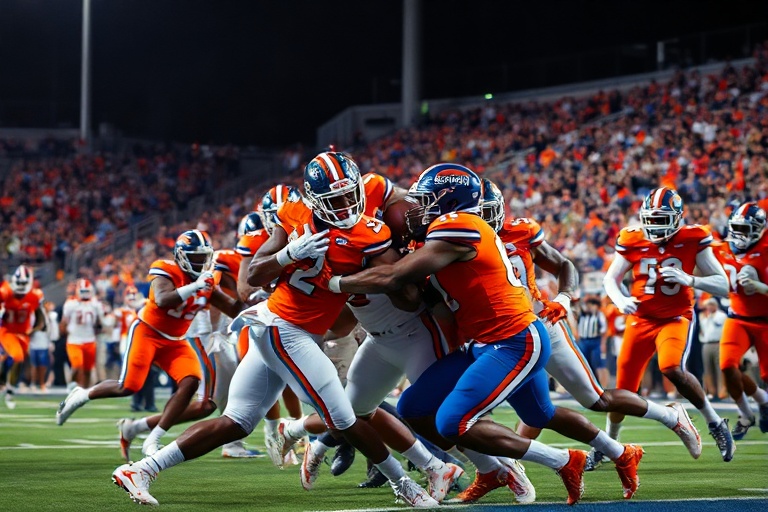
The University of Florida’s football program stands not just as a pillar of collegiate athletics but as a cultural institution with a reach that extends far beyond the gridiron. Since its inception in 1906, the Florida Gators have cultivated a tradition of excellence, innovation, and national prominence. Their story is one of resilience, strategic brilliance, and an unwavering connection to the state of Florida and its fanbase.
What began as a fledgling program in the early 20th century has evolved into a global brand, influencing recruiting trends, coaching philosophies, and even the business of college sports. The Gators’ success has helped shape Florida’s identity as a hub for athletic talent and entertainment, drawing international attention to the Sunshine State. Their legacy is not confined to wins and losses but is woven into the fabric of modern sports culture.
The Rise of a Powerhouse: Key Eras in Gators Football History
The Florida Gators’ journey to national prominence has been marked by several transformative eras, each defined by visionary leadership and pivotal moments. The program’s first major breakthrough came under coach Ray Graves in the 1960s, when the Gators claimed their first major conference titles and began to assert themselves as contenders in the Southeastern Conference (SEC). Graves’ tenure laid the foundation for future success, blending disciplined play with a focus on player development.
The 1990s represented another turning point, as coach Steve Spurrier revolutionized the Gators’ offensive identity. Known as “The Head Ball Coach,” Spurrier introduced a high-octane passing attack that captivated fans and opponents alike. His tenure produced six SEC championships and a national title in 1996, cementing his legacy and transforming Gainesville into a destination for elite quarterback talent.
In the 21st century, the Gators continued to thrive under coaches like Urban Meyer and Dan Mullen, each bringing a unique philosophy to The Swamp. Meyer’s spread offense and emphasis on speed redefined modern football, while Mullen’s strategic adaptability kept the program competitive in an increasingly complex landscape. These eras highlight the Gators’ ability to evolve without losing sight of their core identity.
Milestones That Shaped the Program
- 1996 National Championship: The crowning achievement of Spurrier’s tenure, this season featured a dominant offense led by Danny Wuerffel, who won the Heisman Trophy. The Gators defeated rival Florida State in a thrilling Sugar Bowl to claim their first-ever national title.
- 2006 and 2008 National Championships: Under Urban Meyer, the Gators secured back-to-back titles, with Tim Tebow becoming the first sophomore to win the Heisman Trophy in 2007. These teams were defined by their speed, physicality, and clutch performances.
- SEC East Dominance: The Gators have claimed 13 SEC East division titles, a testament to their consistency in one of college football’s most competitive leagues.
Cultural Impact: How the Gators Transcend the Field
The Florida Gators are more than just a football team; they are a cultural phenomenon that reflects the diversity and dynamism of the state they represent. The Swamp, officially known as Ben Hill Griffin Stadium, is a cauldron of noise and tradition, where fans clad in orange and blue create an atmosphere unlike any other in college football. The Gators’ influence extends beyond Gainesville, resonating with fans across the globe, from alumni networks in Europe to recruiting pipelines in Australia.
This global appeal is a result of deliberate branding and a commitment to excellence. The program’s success has attracted international players, including standout athletes from Europe and Latin America, who bring unique perspectives to the team. The Gators’ presence on platforms like ESPN and SEC Network has further amplified their reach, making them a household name in sports media.
Moreover, the Gators have played a pivotal role in shaping Florida’s identity as a destination for sports and entertainment. Cities like Miami, Tampa, and Orlando have benefited from the program’s visibility, as fans travel from across the state to support their team. The economic impact of home games alone is staggering, with local businesses thriving on game weekends.
The Business of Gators Football: A Model for Modern College Athletics
The Florida Gators’ program is a masterclass in the business of college football. Under the leadership of athletic director Scott Stricklin, the program has prioritized innovation in revenue generation, fan engagement, and facility upgrades. The recent $100 million renovation of The Swamp is just one example of the Gators’ commitment to providing a world-class experience for fans and athletes alike.
Merchandising, sponsorships, and media rights have also become critical components of the Gators’ financial strategy. The team’s strong brand allows for lucrative partnerships with companies like Nike and Gatorade, while their games broadcasted on major networks ensure a steady stream of revenue. This financial acumen has allowed the program to remain competitive even in the face of conference realignment and evolving NCAA regulations.
The Gators’ approach to NIL (Name, Image, Likeness) opportunities has further solidified their position as a leader in college sports. By providing resources and guidance to players, the program ensures that athletes can capitalize on their fame while maintaining their eligibility. This forward-thinking strategy has set a standard for other programs to follow.
Key Components of the Gators’ Business Model
- Facility Investments: The ongoing upgrades to Ben Hill Griffin Stadium and the addition of the $60 million Heavener Football Complex underscore the program’s commitment to excellence.
- Recruiting Innovation: The Gators leverage technology and analytics to identify and develop talent, ensuring a pipeline of elite players.
- Fan Engagement: Through social media, interactive experiences, and community outreach, the program fosters a deep connection with its fanbase.
- Partnerships: Strategic alliances with brands, alumni, and local businesses drive revenue and enhance the program’s visibility.
Looking Ahead: The Future of Gators Football
The Florida Gators are at a crossroads, poised to build on their storied past while navigating the challenges of modern college football. The hiring of a new head coach in 2024 presents an opportunity to redefine the program’s identity and return to national prominence. With a talented roster and a passionate fanbase, the Gators have the ingredients to compete at the highest level.
Off the field, the program’s focus on player development, academic success, and community impact will ensure its continued relevance. The Gators’ commitment to excellence extends beyond wins and losses, as they strive to produce leaders who will make a difference in their communities and beyond.
As the college football landscape continues to evolve, the Florida Gators remain a beacon of tradition, innovation, and resilience. Their story is far from over, and the next chapter promises to be as compelling as those that came before.
For fans and analysts alike, the Gators’ journey offers lessons in perseverance, adaptability, and the power of sport to unite and inspire. Whether you’re a lifelong supporter or a casual observer, the Florida Gators’ legacy is one that transcends the game.
Explore more about college football and its cultural impact on Sports.