Giro d’Italia 2026: What to Expect From Cycling’s Next Grand Tour
The Giro d’Italia has long stood as one of cycling’s three grand tours, a grueling three-week spectacle that tests the limits of endurance, strategy, and human will. As the 2026 edition approaches, anticipation is building not just for the race itself but for the broader implications it may carry for the sport. With evolving regulations, emerging talents, and a shifting competitive landscape, the next Giro promises to be more than just another chapter in cycling’s storied history—it could redefine what it means to compete at the highest level.
Organizers have already begun teasing changes for 2026, hinting at adjustments to stage profiles, sustainability initiatives, and even the introduction of new technological integrations. These developments reflect a sport in transition, one that must balance tradition with innovation to stay relevant in an era of shrinking attention spans and rising environmental consciousness. For fans, riders, and industry stakeholders alike, the 2026 Giro represents an opportunity to witness history in the making.
The Road Ahead: Key Changes for the 2026 Giro d’Italia
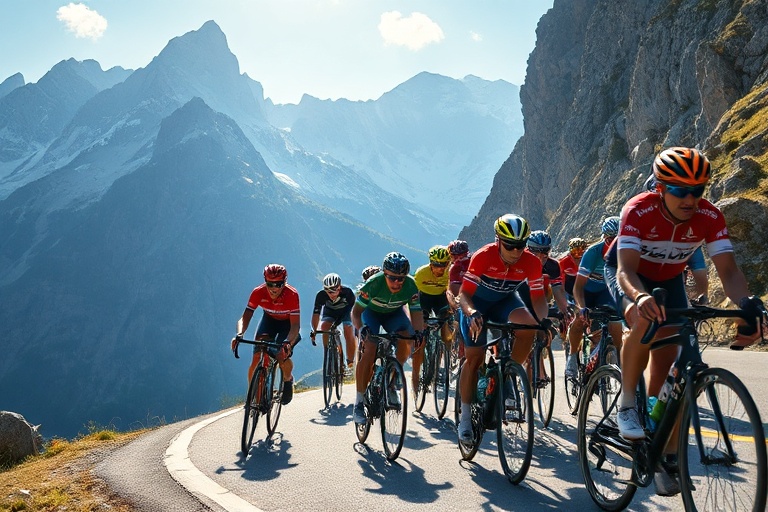
While the core essence of the Giro remains unchanged—three weeks of relentless competition across Italy’s most breathtaking and punishing terrain—the 2026 edition will introduce several notable modifications. These changes aim to enhance the spectacle, improve rider safety, and align the race with modern expectations for sustainability and fan engagement.
Among the most significant updates is the introduction of a mandatory rest day midway through the race, a departure from the traditional single rest day that has been standard for decades. This adjustment is designed to reduce rider fatigue and mitigate the risk of injury, particularly in an era where the calendar is more congested than ever. Additionally, the 2026 route will feature a higher percentage of gravel and cobblestone sectors, challenging riders to adapt their skills beyond the typical paved climbs and time trials.
Sustainability Takes Center Stage
The Giro has increasingly prioritized environmental responsibility, and 2026 will see this commitment elevated to new heights. Organizers have partnered with local governments and environmental groups to implement a series of green initiatives, including:
- Carbon-neutral logistics: All transportation for riders, staff, and equipment will be powered by renewable energy sources.
- Zero-waste stages: Each host city will be required to meet strict waste reduction targets, with compostable materials replacing single-use plastics.
- Fan engagement programs: Spectators will be encouraged to participate in reforestation efforts and local conservation projects as part of their race-day experience.
These measures reflect a broader trend in professional cycling, where sustainability is no longer an afterthought but a core component of event planning. For the Giro, this shift could set a new standard for how major sporting events balance performance with planetary responsibility.
The Competitive Landscape: Who Will Challenge for the Maglia Rosa?
The 2026 Giro arrives at a pivotal moment in cycling’s competitive hierarchy. The retirement of several legendary figures from the past decade has opened the door for a new generation of riders to assert their dominance. Among the names most frequently mentioned as potential contenders for the maglia rosa are:
- Cian Uijtdebroeks (Visma-Lease a Bike): The 23-year-old Belgian has already demonstrated his climbing prowess in grand tours, and 2026 could be the year he fully transitions from prodigy to champion.
- Lorenzo Milesi (Soudal-Quick Step): A versatile rider with time trial and climbing capabilities, Milesi has the potential to excel in a race as varied as the Giro.
- Juan Ayuso (UAE Team Emirates): Despite his young age, Ayuso has already proven himself in both the Vuelta a España and Tour de France. The Giro’s longer stages and unpredictable weather could play to his strengths.
- Giulio Pellizzari (Team Jayco-AlUla): The Italian climber is poised to become the face of his nation’s cycling future, and a home victory in the Giro would cement his legacy.
- Roglič’s Shadow: Tadej Pogačar (UAE Team Emirates): Though Pogačar has historically focused on the Tour de France, rumors persist that he may target the Giro in 2026, particularly if he seeks to add another grand tour to his collection.
The presence of these young talents ensures that the 2026 Giro will be fiercely contested, but the race’s unpredictable nature means that lesser-known riders could also emerge as dark horses. The Giro has a history of springing surprises, from Marco Pantani’s 1998 triumph to Nairo Quintana’s 2014 victory, and 2026 may well follow suit.
Beyond the Race: The Giro’s Broader Impact on Cycling
The Giro d’Italia is more than just a sporting event; it is a cultural institution that shapes the trajectory of the sport. For Italian cycling, the race serves as both a proving ground and a celebration of the country’s rich cycling heritage. For global fans, it offers a glimpse into Italy’s diverse landscapes, from the Dolomites to the Amalfi Coast, each stage a testament to the beauty and brutality of the sport.
Economically, the Giro is a boon for host cities, drawing millions of euros in tourism revenue and international media attention. The 2026 edition, with its sustainability initiatives, could further enhance this impact by attracting environmentally conscious sponsors and spectators. This shift aligns with a growing trend in sports, where sustainability and profitability are increasingly seen as complementary rather than mutually exclusive.
For the sport’s governing bodies, the Giro presents an opportunity to experiment with new formats and technologies. The introduction of real-time data analytics for fans, enhanced broadcast coverage, and even virtual reality experiences could redefine how audiences engage with the race. These innovations may not only attract younger viewers but also provide teams with new tools to optimize performance.
A Test for the Future
The 2026 Giro d’Italia will serve as a microcosm of cycling’s broader challenges and opportunities. Can the sport adapt to the demands of a modern audience without losing its soul? Will sustainability measures prove effective, or will they be seen as mere tokenism? And, perhaps most importantly, will the next generation of riders rise to the occasion, delivering the drama and spectacle that fans crave?
The answers to these questions will unfold over three weeks in May 2026, but the implications will resonate far beyond the finish line in Rome. For cycling enthusiasts, the Giro has always been about more than just victory—it’s about the journey, the struggle, and the stories that emerge along the way. The 2026 edition promises to add another chapter to that legacy.
How to Follow the 2026 Giro d’Italia
For fans eager to follow the action, the Giro d’Italia will be broadcast globally, with extensive coverage available on major sports networks and digital platforms. In addition to traditional television broadcasts, the 2026 edition will offer enhanced streaming options, including multi-camera feeds and interactive data overlays.
For those looking to dive deeper into the race’s history, tactics, and cultural significance, resources like Dave’s Locker Sports and Dave’s Locker Analysis sections provide in-depth articles, rider profiles, and race breakdowns. Whether you’re a seasoned cycling aficionado or a casual fan, the Giro offers something for everyone.
The Giro d’Italia has always been a race of contrasts—between suffering and joy, between tradition and innovation, between the known and the unexpected. The 2026 edition will be no different, and if history is any indication, it will deliver moments that will be remembered for decades to come.