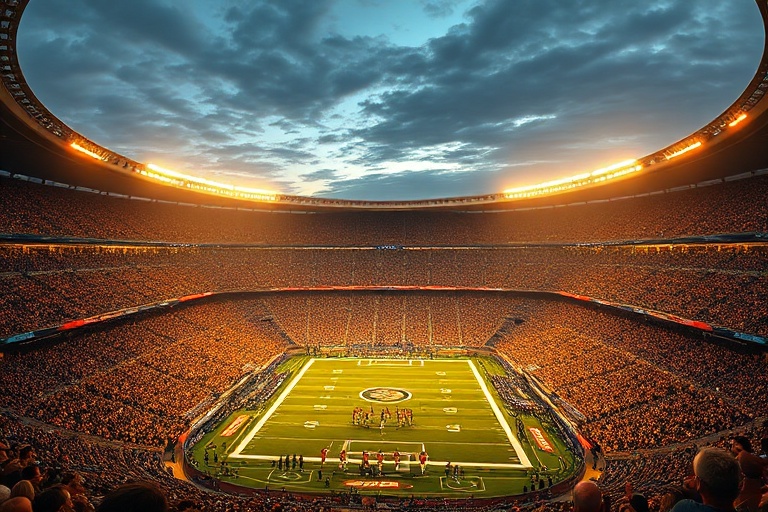
How Modern Stadiums Are Redefining Sports and Culture
The stadium has long stood as a symbol of communal gathering, athletic prowess, and civic pride. From the ancient Greek amphitheaters designed for dramatic performances to the colossal multi-purpose arenas of today, these structures have evolved far beyond their original purposes. They now serve as economic engines, architectural marvels, and technological proving grounds. Understanding the modern stadium requires examining its historical roots, its role in contemporary society, and the innovations shaping its future.
The Evolution of Stadiums: From Antiquity to the Present
The concept of the stadium dates back to ancient Greece, where the word itself derives from “stadion,” a unit of measurement equivalent to about 600 feet. The first recorded stadium was constructed in Olympia around 776 BCE to host the Olympic Games. These early venues were simple earthworks or stone structures designed to accommodate spectators for athletic competitions. The design prioritized visibility, with tiered seating carved into hillsides to provide unobstructed views of the event.
As civilizations advanced, so did stadium design. The Romans expanded on Greek principles, building massive amphitheaters like the Colosseum, which could hold up to 80,000 spectators. These structures introduced innovations such as vaulted passageways and retractable awnings, demonstrating an early understanding of crowd management and comfort. During the Middle Ages, stadiums fell out of favor as public spectacles declined, but they reemerged in the 19th century with the rise of organized sports.
The 20th century saw a dramatic transformation in stadium architecture. The introduction of steel and reinforced concrete allowed for larger, more complex designs. The 1920s and 1930s marked the golden age of college football stadiums in the United States, with venues like Michigan Stadium (capacity: 107,601) becoming iconic symbols of institutional pride. Meanwhile, the advent of professional sports leagues, particularly baseball and football, drove the construction of multi-purpose stadiums designed to host a variety of events. This era also witnessed the birth of the modern Olympic Games, which spurred the creation of stadiums capable of accommodating international competitions.
The Economic and Social Impact of Stadiums
Stadiums are no longer just places to watch a game; they are economic powerhouses that influence urban development, job creation, and tourism. The construction of a new stadium can inject millions of dollars into local economies, both during the building phase and through ongoing operations. For example, the $1.6 billion SoFi Stadium in Inglewood, California, has been credited with creating over 20,000 jobs and generating an estimated $5 billion in annual economic activity for the region. This economic boost often extends beyond game days, as stadiums host concerts, conventions, and other events that draw visitors from across the country.
Beyond economics, stadiums play a crucial role in fostering community identity and social cohesion. They serve as gathering places where people from diverse backgrounds come together to celebrate shared passions. Events like the Super Bowl, the World Cup, or the Olympics transcend sports, becoming cultural touchstones that unite millions. Stadiums also act as symbols of civic ambition, with cities often competing to build the most innovative or visually striking venues as a way to attract investment and attention.
However, the social impact of stadiums is not without controversy. Critics argue that public funding for stadiums—often amounting to hundreds of millions of dollars—disproportionately benefits wealthy team owners while offering limited returns to taxpayers. Studies have shown that the promised economic benefits frequently fall short of projections, leaving municipalities burdened with debt. Additionally, stadiums can exacerbate gentrification, displacing residents in surrounding neighborhoods as property values rise and development pressures increase.
Key Considerations in Stadium Development
- Location: Proximity to public transportation and population centers is critical for maximizing attendance and economic impact.
- Multi-functionality: Modern stadiums are designed to host a variety of events, from concerts to esports, to ensure year-round utility.
- Sustainability: Green building practices, such as solar panels and rainwater harvesting, are increasingly integrated to reduce environmental impact.
- Fan Experience: Amenities like high-speed Wi-Fi, mobile ticketing, and augmented reality features are becoming standard to enhance spectator engagement.
- Accessibility: Inclusive design ensures that stadiums accommodate people with disabilities, providing equal access to all attendees.
Technological Innovations Shaping the Future of Stadiums
The stadium of the future is being redefined by technology. From augmented reality (AR) to artificial intelligence (AI), these innovations are transforming how fans experience live events and how venues operate. One of the most significant advancements is the integration of 5G networks, which enable seamless connectivity and real-time data streaming. Fans can now use their smartphones to access instant replays, order concessions, or even participate in interactive games during breaks. This connectivity also benefits venue operators, who can use data analytics to optimize crowd flow, concession sales, and security measures.
Another game-changing technology is the use of AI-driven systems to enhance security and personalize fan experiences. Facial recognition systems, for instance, can expedite entry while identifying potential threats. AI can also analyze fan behavior to tailor marketing efforts, such as recommending nearby restaurants or merchandise based on past purchases. Additionally, advancements in augmented reality are creating immersive experiences, such as virtual tours of the stadium or interactive games that overlay digital content onto the physical space.
Sustainability is another area where technology is making a significant impact. Many new stadiums are incorporating smart systems to monitor energy consumption, water usage, and waste management. For example, the Mercedes-Benz Stadium in Atlanta features a rainwater capture system that can collect up to 1.2 million gallons of water, which is then used for irrigation and cooling. Solar panels and wind turbines are also becoming common, reducing reliance on non-renewable energy sources. These innovations not only lower operational costs but also align with the growing demand for environmentally responsible venues.
Challenges and the Road Ahead
Despite the progress, stadiums face several challenges as they evolve. One of the most pressing is the need to balance tradition with innovation. While modern fans expect cutting-edge technology and amenities, there is also a deep appreciation for the history and culture of the sport or event. Preserving the authenticity of the experience while incorporating new features requires careful planning and design.
Another challenge is the rising cost of construction and maintenance. As stadiums become more complex, with features like retractable roofs, climate control systems, and luxury suites, the price tag for new venues continues to climb. This has led to a shift toward renovating existing stadiums rather than building new ones, a trend that presents its own set of challenges in terms of design constraints and historical preservation.
Finally, the COVID-19 pandemic highlighted the vulnerability of stadiums to external disruptions. With live events canceled or held without spectators for extended periods, venues were forced to rethink their business models. Many turned to virtual events, streaming services, and hybrid experiences to engage fans remotely. While these adaptations were necessary, they also underscored the irreplaceable value of in-person experiences. As stadiums recover, they must find ways to integrate digital innovations without losing the essence of what makes them special.
The future of stadiums lies in their ability to adapt and innovate while staying true to their core purpose: bringing people together. Whether through technological advancements, sustainable practices, or community-focused design, stadiums will continue to evolve as dynamic spaces that reflect the values and aspirations of society. For fans and cities alike, these structures remain powerful symbols of progress and unity.