Iran Threatens War in Hormuz: Risks to Global Oil and Security
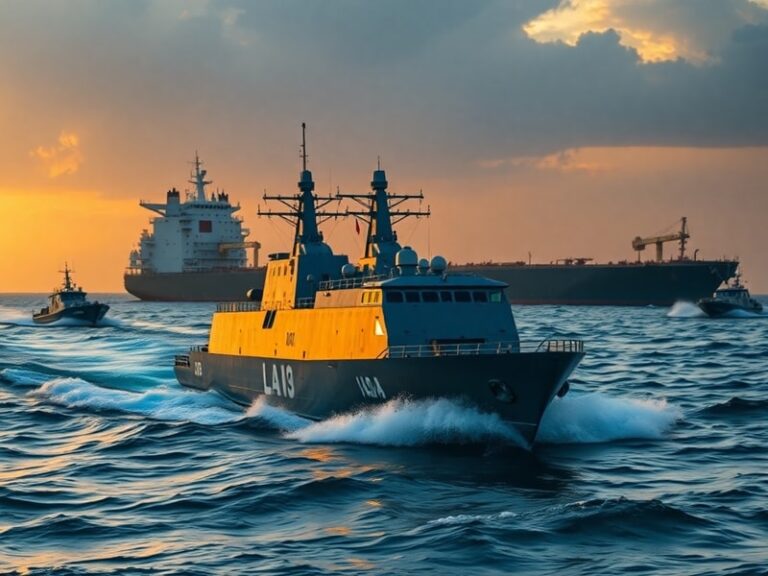
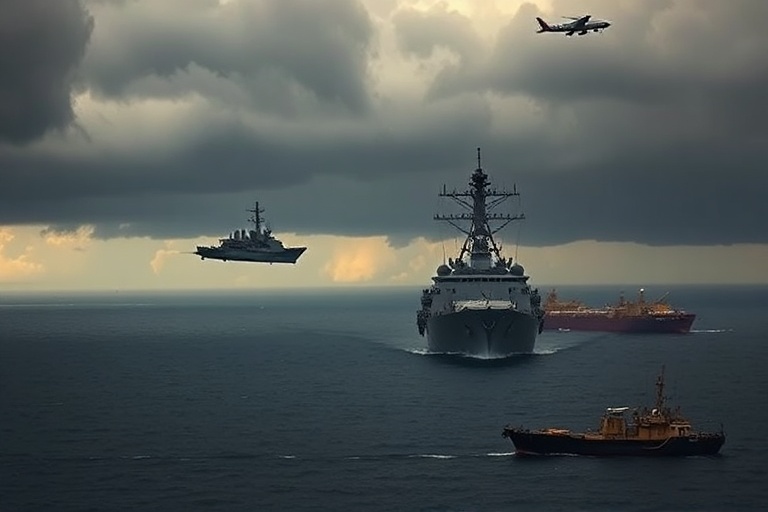
The Strait of Hormuz, a narrow waterway connecting the Persian Gulf to the Gulf of Oman, has long been a flashpoint in global energy markets and international diplomacy. Recent tensions involving Iran have raised concerns about the potential for conflict in this strategically vital region. With approximately 20% of the world’s oil passing through its waters daily, any disruption could have far-reaching economic consequences.
The Historical Context of Iran’s Military Posturing
Iran’s relationship with the Strait of Hormuz dates back decades. The 1980s saw frequent clashes between Iran and Iraq during the Iran-Iraq War, when both sides targeted oil tankers to cripple each other’s economies. The “Tanker War” era demonstrated Iran’s willingness to disrupt shipping in the region as a means of exerting pressure on its adversaries.
Since then, Iran has consistently emphasized the importance of the Strait of Hormuz to its national security. Supreme Leader Ayatollah Ali Khamenei has repeatedly stated that closing the strait would be a “red line” for Iran. This rhetoric intensified following the U.S. withdrawal from the Joint Comprehensive Plan of Action (JCPOA) in 2018 and the subsequent reimposition of sanctions.
Key Factors Driving Recent Tensions
Several developments have contributed to the current escalation:
- Economic Pressure: U.S. sanctions have severely impacted Iran’s oil exports, reducing them from over 2 million barrels per day to less than 500,000 barrels per day.
- Military Exercises: Iran has conducted multiple naval drills in the region, showcasing its capability to disrupt shipping lanes.
- Regional Alliances: Iran’s partnerships with groups like the Houthis in Yemen and its support for proxy forces in Iraq and Syria have increased its influence but also its exposure to retaliation.
- International Military Presence: The U.S. Fifth Fleet, based in Bahrain, and other coalition forces maintain a significant presence, creating a delicate balance of power.
The Strategic Importance of Hormuz
The Strait of Hormuz is more than just a shipping route; it is the economic lifeline of the Gulf region. Approximately 30% of the world’s seaborne oil exports pass through this narrow passage, making it the most critical chokepoint in global energy supply chains.
Disruptions in Hormuz could trigger immediate spikes in oil prices, affecting economies worldwide. For instance, a temporary closure of the strait could push oil prices beyond $150 per barrel, according to some analysts. This would have cascading effects on industries, transportation costs, and consumer prices, particularly in Asia, Europe, and the United States.
Potential Scenarios and Their Implications
Several scenarios could unfold if tensions escalate into open conflict:
- Limited Military Confrontation: A skirmish between Iranian forces and coalition navies, potentially over the inspection of a vessel, could lead to localized conflict but avoid full-scale war.
- Blockade of Hormuz: Iran has threatened to close the strait entirely, which would trigger immediate military responses from the U.S. and its allies. This could involve naval blockades, airstrikes on Iranian military infrastructure, and broader regional conflict.
- Proxy Warfare: Increased attacks by Iranian-backed militias on oil facilities, shipping lanes, or military bases in the region could escalate without direct Iranian involvement.
- Diplomatic Intervention: International mediation efforts, possibly led by the European Union or regional powers like Qatar and Oman, could de-escalate tensions before a full-blown crisis erupts.
Broader Implications for Global Security and Energy Markets
The implications of a conflict in the Strait of Hormuz extend far beyond the immediate region. Energy markets would be the first to react, with oil prices surging and supply chains facing potential disruptions. Countries heavily reliant on Gulf oil, such as China, Japan, and India, would face significant economic challenges, potentially leading to energy rationing or emergency stockpiling.
Beyond energy, the geopolitical landscape could shift dramatically. A direct military confrontation between Iran and the U.S. or its allies could draw in regional powers like Saudi Arabia, Israel, and Turkey, each with their own interests at stake. This could lead to a broader sectarian conflict in the Middle East, further destabilizing an already volatile region.
For the United States, the challenge lies in deterring Iranian aggression while avoiding a costly and potentially unpopular military intervention. The Biden administration has signaled a willingness to engage in diplomacy but faces pressure from both hawks advocating for a stronger military posture and those pushing for renewed nuclear negotiations.
Historical Precedents and Lessons Learned
Past conflicts in the region offer some insight into how a Hormuz crisis might unfold. During the 1980s Tanker War, Iran and Iraq targeted each other’s oil exports, leading to significant disruptions but avoiding a full-scale naval conflict. However, the dynamics today are different, with Iran possessing more advanced missile and drone capabilities, as well as a network of proxy forces.
The 2019 attacks on Saudi oil facilities and the 2021 drone strike on a U.S. base in Iraq demonstrated Iran’s ability to project power without direct military confrontation. These incidents highlight the risks of asymmetric warfare, where Iran could leverage its proxies to inflict damage without triggering a large-scale response.
What Can Be Done to Prevent Escalation?
Preventing a conflict in the Strait of Hormuz will require a combination of diplomatic, economic, and military measures. The following steps could help de-escalate tensions:
- Re-engaging in Nuclear Diplomacy: Reviving the JCPOA, even in a modified form, could reduce Iran’s motivation to use the strait as a bargaining chip.
- Confidence-Building Measures: Establishing communication channels between Iranian and coalition naval forces could prevent accidental clashes.
- Regional Dialogue: Encouraging dialogue between Gulf states and Iran, possibly through intermediaries like Oman or the UAE, could address underlying grievances.
- International Pressure: Strengthening economic sanctions on Iran while offering incentives for de-escalation could create a balanced approach to negotiations.
- Military Deterrence: Maintaining a strong naval presence in the region, while avoiding provocative actions, could deter Iran from taking aggressive steps.
Ultimately, the situation in the Strait of Hormuz remains one of the most dangerous flashpoints in the world today. The combination of economic pressures, military posturing, and geopolitical rivalries creates a volatile environment where miscalculation could lead to disaster. While diplomacy remains the best path forward, the risk of conflict cannot be ignored.
For those interested in further reading on regional security and energy dynamics, Dave’s Locker offers in-depth coverage of related topics. Explore our News and Politics sections for additional analysis and insights.
This article was written by a journalist for Dave’s Locker and reflects the views of the author. For more updates on global affairs, subscribe to our newsletter.