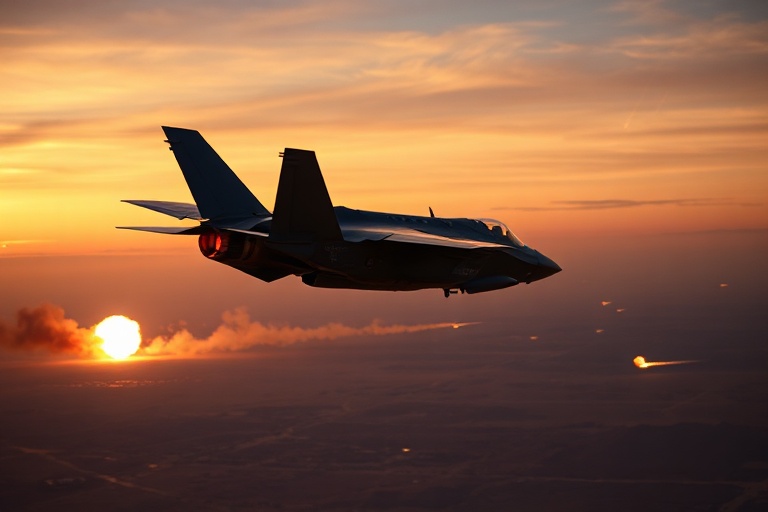
Israel-Iran Escalation: Why This Conflict Matters Beyond the Region
The latest round of tensions between Israel and Iran has once again thrust the Middle East into the global spotlight. What began as a shadow conflict fought through proxies and cyberattacks has escalated into direct military confrontations, raising concerns far beyond the region’s borders. The stakes are high—not just for the two nations involved, but for global stability, energy markets, and international diplomacy.
This isn’t the first time these two regional rivals have clashed, but the current cycle of violence feels different. It reflects deeper shifts in military strategy, geopolitical alliances, and the role of technology in modern warfare. Understanding why this conflict matters requires looking beyond the immediate headlines and examining the broader context in which it is unfolding.
The Roots of the Conflict: Decades of Hostility
The enmity between Israel and Iran dates back to the 1979 Islamic Revolution, which overthrew Iran’s monarchy and established an anti-Western, theocratic government. Israel, a close U.S. ally in the region, saw the revolution as a direct threat. Over the decades, Iran’s support for groups like Hezbollah in Lebanon and Hamas in Gaza has further strained relations. Israel, in turn, has targeted Iranian military assets and proxy forces through airstrikes, assassinations, and covert operations.
The nuclear program has been a particular flashpoint. Iran’s pursuit of nuclear technology—officially framed as peaceful but widely suspected of having military ambitions—led to international sanctions and covert sabotage efforts, including the 2010 Stuxnet cyberattack, which targeted Iran’s nuclear facilities. The 2015 Joint Comprehensive Plan of Action (JCPOA), or Iran nuclear deal, briefly eased tensions, but the U.S. withdrawal in 2018 under the Trump administration reignited hostilities.
The current escalation follows years of covert warfare, including the 2020 assassination of Iranian General Qasem Soleimani by a U.S. drone strike and the 2022 attack on Iran’s Natanz nuclear facility, which Tehran blamed on Israel. These incidents underscore how the conflict has evolved from a regional dispute into a global chess game where proxies, cyber tools, and long-range strikes play defining roles.
Direct Confrontation: A New Chapter in the Shadow War
Until recently, Israel and Iran avoided direct military confrontation, preferring to fight through proxies or covert operations. That changed in April 2024, when Iran launched a massive missile and drone attack on Israel in retaliation for an Israeli strike on its consulate in Damascus, Syria. While Israel, with the help of its allies, intercepted most of the projectiles, the attack marked a significant escalation.
The response was swift. Israel launched a retaliatory strike on Iran’s military facilities, signaling a willingness to escalate the conflict further. This tit-for-tat dynamic raises concerns about a broader regional war, one that could draw in other nations. Already, the U.S. has reaffirmed its commitment to Israel’s security, while Russia and China have called for restraint, reflecting their own strategic interests in the region.
The direct confrontation has also exposed vulnerabilities in Iran’s military strategy. Despite its regional influence through proxies like the Houthis in Yemen and militias in Iraq and Syria, Iran’s conventional military remains outmatched by Israel’s advanced capabilities. This has led some analysts to question whether Iran’s leadership is overestimating its ability to deter Israeli aggression.
Key Players in the Conflict
The Israel-Iran conflict is not isolated; it is shaped by a complex web of alliances and rivalries. Here are some of the key players influencing the current escalation:
- United States: A staunch ally of Israel, the U.S. has provided military aid, intelligence support, and diplomatic cover. However, its involvement is carefully calibrated to avoid a wider regional war.
- Russia: Russia has maintained a delicate balance, supporting Iran diplomatically but also engaging with Israel on issues like Syria. Its role complicates efforts to isolate either side.
- China: China has deepened its economic and military ties with Iran, viewing it as a counterbalance to U.S. influence in the region. It has also called for dialogue to de-escalate tensions.
- Gulf States: Countries like Saudi Arabia and the UAE have quietly improved relations with Israel through the Abraham Accords, but they remain cautious about openly supporting Israel against Iran.
- Proxy Groups: Hezbollah in Lebanon, Hamas in Gaza, and the Houthis in Yemen serve as Iran’s proxies, allowing it to project power without direct confrontation. Their actions often provoke Israeli responses, further escalating tensions.
The Global Impact: Energy, Economics, and Security
The Israel-Iran conflict is not just a regional issue; it has global implications. The Middle East remains a critical hub for global oil and gas supplies, and any disruption could send shockwaves through energy markets. Already, oil prices have shown volatility in response to the escalating tensions, with analysts warning of potential shortages if the conflict spreads.
Economic stability is another concern. The region’s interconnectedness means that a prolonged conflict could disrupt trade routes, including the Strait of Hormuz, through which a significant portion of the world’s oil passes. Countries like India and China, which rely heavily on Middle Eastern oil, would be particularly vulnerable.
Security is also at risk. The conflict has already drawn in international actors, with the U.S. and its allies providing military support to Israel. If the situation deteriorates further, it could trigger a broader confrontation involving regional and global powers. The specter of nuclear proliferation looms large, with both Israel and Iran possessing advanced military capabilities.
The Role of Technology in Modern Warfare
Technology has become a defining feature of the Israel-Iran conflict. From cyberattacks to drone warfare, both sides are leveraging cutting-edge tools to gain an advantage. Israel’s Iron Dome missile defense system has proven highly effective in intercepting incoming threats, while Iran has invested in ballistic missiles and drones capable of striking deep into Israeli territory.
The use of drones, in particular, has democratized warfare, allowing smaller actors like Iran to project power without a conventional military. This has blurred the lines between state and non-state actors, making the conflict harder to contain. Cyber warfare adds another layer of complexity, with both sides suspected of launching digital attacks to disrupt each other’s infrastructure.
For a deeper look at how technology is reshaping conflicts in the Middle East, explore our Technology section, where we analyze the latest trends in military innovation and cybersecurity.
Can Diplomacy Prevent a Wider War?
Despite the escalating violence, diplomacy remains the only viable path to de-escalation. International actors, including the United Nations and the European Union, have called for restraint and a return to negotiations. However, the path to diplomacy is fraught with challenges.
Iran’s leadership has shown little willingness to back down, framing its actions as a response to Israeli aggression. Israel, meanwhile, faces domestic pressure to take a hardline stance, particularly as its government grapples with internal divisions and security concerns. The U.S. and its allies are caught in a delicate balancing act, seeking to deter Iran while avoiding a full-blown regional war.
One potential avenue for diplomacy is the revival of the JCPOA, though its prospects are dim given the current levels of mistrust. Another option is a regional security framework that includes Gulf states and other Middle Eastern countries, aimed at reducing tensions and preventing miscalculations. However, such efforts would require unprecedented cooperation among long-standing rivals.
For now, the world watches as the Israel-Iran conflict continues to unfold. The stakes could not be higher, and the consequences of miscalculation are severe. Whether diplomacy can prevail remains an open question, but one thing is clear: the path forward will require bold leadership, creative solutions, and a commitment to peace from all parties involved.
Conclusion: A Conflict with Far-Reaching Consequences
The Israel-Iran conflict is more than a regional dispute; it is a test of the international community’s ability to manage escalating tensions in an era of shifting alliances and emerging technologies. The stakes extend beyond the borders of Israel and Iran, touching on global security, economic stability, and the future of diplomacy.
As the conflict evolves, the world must grapple with difficult questions. How can diplomacy break the cycle of violence? What role should international actors play in de-escalating tensions? And how can technology be harnessed to prevent conflict rather than fuel it? These are not easy questions, but they are ones that demand urgent answers.
One thing is certain: the Israel-Iran conflict will continue to shape the geopolitical landscape for years to come. The choices made today will reverberate far beyond the Middle East, influencing global security and stability in ways we are only beginning to understand.