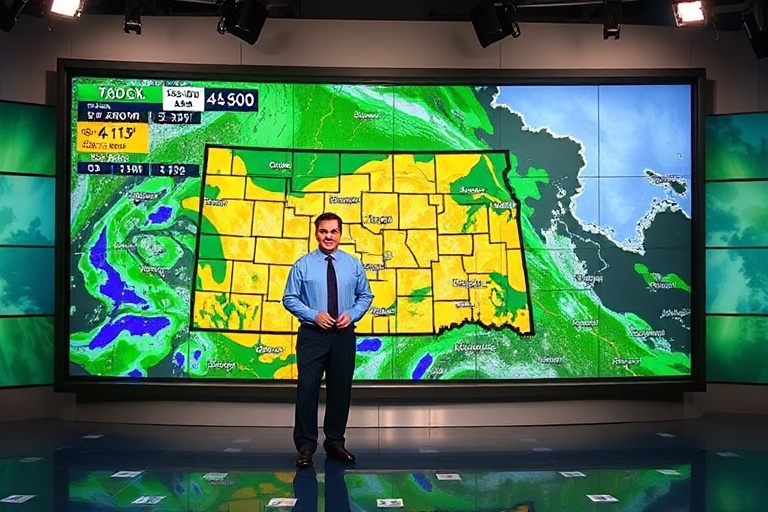
South Dakota’s weather patterns have always been unpredictable, but recent years have shown even greater volatility across the Keloland region. From blizzards in May to summer droughts that stretch into fall, residents have learned to expect the unexpected. The area’s continental climate brings both extreme heat and cold within the same calendar year, creating challenges for agriculture, travel, and daily life.
Meteorologists point to several factors driving these shifts. The jet stream’s behavior has become less predictable, often stalling weather systems over the northern plains. Climate change has also extended the growing season in some areas while intensifying storm systems in others. For Keloland residents, this means adapting to conditions that no longer fit historical norms.
Seasonal Breakdown: What to Expect Each Quarter
Winter in Keloland typically arrives early and lingers late. Snowfall averages between 30-40 inches annually in most areas, though totals vary significantly from eastern counties to the Black Hills region. January remains the coldest month, with temperatures frequently dipping below zero. Wind chills can make conditions feel even more severe, sometimes dropping to -30°F during Arctic outbreaks.
Spring brings rapid changes, often within a single week. March can still deliver heavy snow, while April might bring 80-degree warmth. Tornado season peaks between May and July, with the highest activity typically occurring in the southeastern part of the state. These storms can develop quickly, requiring constant vigilance from residents and emergency services.
Summer heat arrives in earnest by June, with temperatures frequently climbing into the 90s. Humidity levels remain relatively low compared to other regions, but heat waves can still create dangerous conditions, especially for outdoor workers and athletes. The lack of consistent rainfall during these months often leads to drought warnings, particularly in areas dependent on surface water sources.
Fall weather offers the most stable conditions, though transition periods can be dramatic. October brings crisp air and vibrant foliage, but November often introduces the first serious snowfall. The contrast between early fall warmth and winter’s sudden onset creates one of the region’s most challenging forecasting periods.
Monthly Temperature Averages (Aberdeen, SD)
- January: 14°F (high) / -2°F (low)
- April: 58°F (high) / 34°F (low)
- July: 85°F (high) / 60°F (low)
- October: 59°F (high) / 37°F (low)
Weather-Related Challenges for Keloland Residents
Agriculture remains the backbone of South Dakota’s economy, and Keloland’s farmers face increasing difficulties due to weather extremes. The 2022 drought caused over $1 billion in crop losses across the state, with many areas seeing less than 50% of normal precipitation during the growing season. Soil moisture deficits have persisted for multiple years, forcing changes in crop selection and irrigation practices.
Transportation infrastructure also bears the brunt of severe weather. Winter storms frequently close interstates like I-29, creating supply chain disruptions that affect both local businesses and national distribution networks. The 2020 blizzard that dumped 20+ inches of snow in eastern South Dakota stranded hundreds of travelers for days, highlighting vulnerabilities in emergency response systems.
Urban areas face different challenges. Rapid City and Aberdeen must manage stormwater systems that struggle to handle both flash flooding and extended drought conditions. The urban heat island effect compounds summer temperature extremes, particularly in areas with limited tree cover. Municipal governments have begun implementing green infrastructure projects to mitigate these impacts.
Health risks accompany these weather patterns. Extreme cold increases the likelihood of frostbite and hypothermia, particularly among homeless populations and outdoor workers. Summer heat waves can overwhelm emergency services, as seen during the 2019 event that saw a 20% increase in heat-related hospitalizations compared to the five-year average.
Technology and Tools for Weather Tracking
The way Keloland residents monitor and respond to weather has evolved dramatically in recent years. Smartphone applications now provide minute-by-minute updates with radar imagery that updates every 60 seconds. These tools have become essential for both casual observers and professional storm spotters, who rely on real-time data to make critical decisions.
Local television stations have invested heavily in weather technology. Stations like KDLT and KELOLAND News now deploy dual-polarization radar systems that provide more detailed information about precipitation types and storm structures. These improvements have enhanced tornado warning accuracy, potentially saving lives during severe weather events.
Community-based observation networks have also expanded. The CoCoRaHS program (Community Collaborative Rain, Hail and Snow Network) now includes over 1,000 active observers in South Dakota. These volunteers provide daily precipitation measurements that fill critical gaps in official weather data, particularly in rural areas where reporting stations are sparse.
Emergency alert systems have become more sophisticated as well. The Wireless Emergency Alerts system now delivers geographically targeted warnings for severe thunderstorms, tornadoes, and flash floods. These notifications can reach residents even if they’re not actively monitoring traditional media sources.
For those interested in the intersection of technology and weather monitoring, Dave’s Locker Technology section offers insights into how emerging tools are transforming our understanding of local climate patterns.
Preparing for Keloland’s Weather Future
Climate projections suggest that Keloland will continue experiencing more extreme weather events in the coming decades. The National Climate Assessment indicates that the northern plains region will see increased precipitation variability, with both more intense rainfall events and longer dry periods. These changes require proactive adaptation strategies from both individuals and institutions.
Homeowners can take several steps to mitigate weather-related risks. Installing sump pumps in basements and reinforcing garage doors against wind pressure are relatively inexpensive measures that can prevent significant damage. For agricultural operations, diversifying crop selections and implementing soil conservation practices can build resilience against both drought and flooding.
Local governments are also taking action. Many communities have updated their emergency operation plans to account for more frequent severe weather. Infrastructure improvements include burying power lines in flood-prone areas and constructing more robust culverts to handle increased rainfall intensity.
Individual preparedness remains crucial. The South Dakota Department of Public Safety recommends maintaining emergency kits with at least three days of supplies, including food, water, medications, and important documents. Weather radios provide critical information when power outages disrupt other communication channels.
Education plays a vital role in weather safety. Schools across Keloland have implemented severe weather drill programs that prepare students for tornado warnings and other emergencies. Community workshops teach residents how to interpret weather forecasts and recognize developing storm conditions.
Looking ahead, meteorologists emphasize the importance of flexible planning. Weather patterns that once followed predictable seasonal cycles have become increasingly erratic. The most successful approach combines historical knowledge with modern forecasting tools, allowing residents to respond effectively to whatever conditions arise.
For those seeking deeper analysis on weather-related topics, Dave’s Locker Trending section regularly publishes expert perspectives on environmental changes and their regional impacts.
Keloland’s weather will continue challenging residents in new ways, but the combination of technological innovation, community preparedness, and adaptive planning offers hope for the future. By understanding the region’s evolving climate patterns and taking proactive measures, individuals and institutions can build resilience against whatever weather extremes may come.