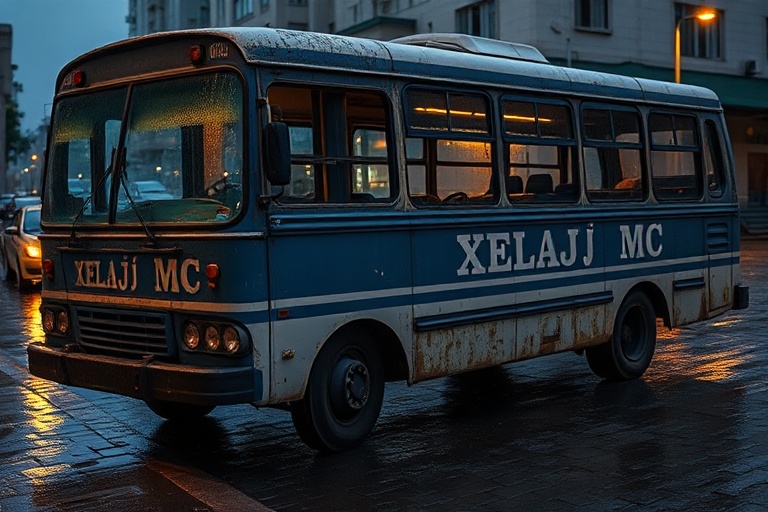
For nearly a century, Municipal Xelajú MC has stood as a towering symbol of football excellence in Guatemala. Founded in 1936 in the highland city of Quetzaltenango, this club has woven itself into the fabric of Guatemalan culture, transcending the boundaries of sport to become a point of regional pride. With a passionate fanbase, a storied history, and a reputation for producing top-tier talent, Xelajú MC remains one of Central America’s most respected football institutions.
The club’s name itself carries deep meaning. “Xelajú” derives from the K’iche’ Maya term for Quetzaltenango, meaning “under the ten mountains,” a nod to the region’s indigenous heritage and dramatic volcanic landscape. This connection to place has always been central to the club’s identity, reinforcing its role as more than just a football team—it is a cultural ambassador for the western highlands of Guatemala.
The Club’s Foundations and Early Years
Municipal Xelajú MC emerged during a time when Guatemalan football was beginning to take structured form. The club was officially established on May 24, 1936, by a group of local enthusiasts who sought to create a representative team for the city. From its inception, the club was tied to the municipality of Quetzaltenango, receiving municipal support that helped it grow beyond a community team into a professional organization.
In its early decades, Xelajú MC competed in regional leagues before making the jump to Guatemala’s top-tier Liga Nacional in 1942. This move marked a turning point. The club quickly established itself as a competitive force, though it would take several decades before it could challenge for titles consistently. The 1960s and 1970s saw Xelajú begin to assert its presence, culminating in its first league championship in 1974—a historic moment that solidified its place in Guatemalan football history.
The 1974 title was more than a trophy. It was a declaration that football in Guatemala’s western region could compete with the traditional powerhouses of Guatemala City and Escuintla. The victory sparked celebrations across Quetzaltenango and drew regional attention to the club’s potential.
Rivalries, Triumphs, and the Xela Identity
No discussion of Xelajú MC is complete without acknowledging its fierce rivalries. The most notable is with CSD Municipal, the dominant force in Guatemalan football based in the capital. Matches between the two clubs, dubbed the “Clásico Chapín,” are intense affairs marked by regional pride and high stakes. While CSD Municipal often holds the upper hand in terms of resources and titles, Xelajú’s underdog status only amplifies its appeal among fans who see themselves as the true heart of Guatemalan football.
Beyond the capital rivalry, Xelajú has cultivated a reputation for resilience. The club has won the Guatemalan league title four times—1974, 1993, 2007, and 2012—each victory resonating deeply within the fanbase. The 2007 championship, in particular, was a masterclass in tactical discipline under manager Walter Claverí, proving that Xelajuense football could triumph through strategy as much as passion.
What sets Xelajú MC apart is not just its titles, but its style of play. Known for a high-tempo, pressing game and a never-say-die attitude, the team embodies the rugged, determined spirit of the western highlands. This identity is reflected in its nickname: “Los Superchivos” (The Super Goats), a playful yet proud moniker that originated from a 1960s fan chant comparing the team’s relentless spirit to that of mountain goats scaling steep terrain.
Key Moments in Club History
- 1936: Club founded under the name Xelajú Mario Camposeco, later becoming Municipal Xelajú MC.
- 1942: Promotion to Liga Nacional, marking the club’s arrival in top-flight football.
- 1974: First league championship, a breakthrough for western Guatemala.
- 1993: Second title, cementing Xelajú’s reputation as a consistent contender.
- 2007: Title under Walter Claverí, showcasing tactical maturity and fan devotion.
- 2012: Fourth league title, a decade-defining achievement.
- 2018: First CONCACAF Champions League group stage appearance, expanding the club’s international profile.
Beyond the Pitch: The Cultural and Social Role of Xelajú MC
Municipal Xelajú MC is more than a sports team—it is a social institution. The club’s stadium, the Mario Camposeco Stadium, is a focal point of community life in Quetzaltenango. With a capacity of over 12,000, it regularly fills to capacity for big matches, creating an electric atmosphere fueled by drumbeats, chants, and the smell of traditional food like tamales and chuchitos. The stadium’s name honors Mario Camposeco, a legendary player from the region who became a symbol of local talent and perseverance.
The club’s influence extends into youth development. Xelajú’s academy has produced several players who went on to represent the Guatemalan national team, including Carlos Ruiz, one of the country’s most celebrated footballers. Ruiz, who began his career at Xelajú before moving to MLS and European clubs, remains a point of pride for the region and a testament to the club’s ability to nurture talent.
Socially, Xelajú MC has been involved in community initiatives, including youth football programs, educational campaigns, and disaster relief efforts. During Guatemala’s volcanic eruptions and earthquakes, the club has played a role in mobilizing support and providing aid to affected communities in the western highlands. This commitment to social responsibility has deepened the bond between the club and its supporters.
Challenges and the Path Forward
Despite its rich history, Xelajú MC faces significant challenges. Financial constraints are a persistent issue. Unlike clubs backed by wealthy investors, Xelajú operates with limited resources, relying heavily on municipal support and fan contributions. This makes it difficult to compete with clubs that can afford high-profile signings and modern facilities.
Infrastructure is another concern. While the Mario Camposeco Stadium is a beloved venue, it lacks the modern amenities of larger stadiums in Guatemala City. Upgrades to training facilities and youth academies are needed to ensure the club remains competitive in an increasingly professionalized football landscape.
Yet, these challenges have not diminished the club’s spirit. The fanbase—known for its loyalty and creativity—continues to fill the stadium, create vibrant tifos, and travel across Guatemala to support the team. This passion is Xelajú’s greatest asset and a reminder that football is as much about identity as it is about results.
Looking ahead, the club’s leadership has emphasized a dual focus: developing local talent and strengthening community ties. Initiatives to expand the academy, improve youth coaching, and secure sustainable funding are underway. There is also a push to increase the club’s international visibility, particularly in CONCACAF competitions, to showcase the talent emerging from western Guatemala.
The Broader Implications for Guatemalan Football
Xelajú MC’s journey reflects broader trends in Guatemalan football. While clubs from Guatemala City have historically dominated the league, teams from the interior—such as Xelajú, Cobán Imperial, and Deportivo Petapa—have steadily gained ground. This shift is reshaping the national football landscape, promoting a more inclusive and regionally diverse competition.
The success of these clubs highlights the importance of investing in regional football infrastructure. It also underscores the role of clubs as cultural ambassadors, helping to preserve local traditions while integrating into the global football community.
For Xelajú MC, the path forward is clear: to remain a symbol of pride for Quetzaltenango and a beacon of opportunity for young footballers across the western highlands. Its story is a testament to the power of football as a force for unity, identity, and social change.
As the club approaches its 90th anniversary in 2026, the question is not whether Xelajú MC will continue to matter—it already does—but how it will evolve while staying true to its roots. In a country where football is deeply tied to culture and community, Xelajú MC stands as a reminder that the game is more than points on a table. It is a living tradition.
For fans and observers alike, the call remains the same: support the Superchivos. Because in Quetzaltenango, football is not just a game—it’s a way of life.
To explore more about Guatemalan football culture and historic clubs, visit Dave’s Locker News and Dave’s Locker Culture for in-depth coverage and analysis.