NBA MVP Race: The Global Impact of Basketball’s Highest Honor
What the NBA MVP Award Truly Means
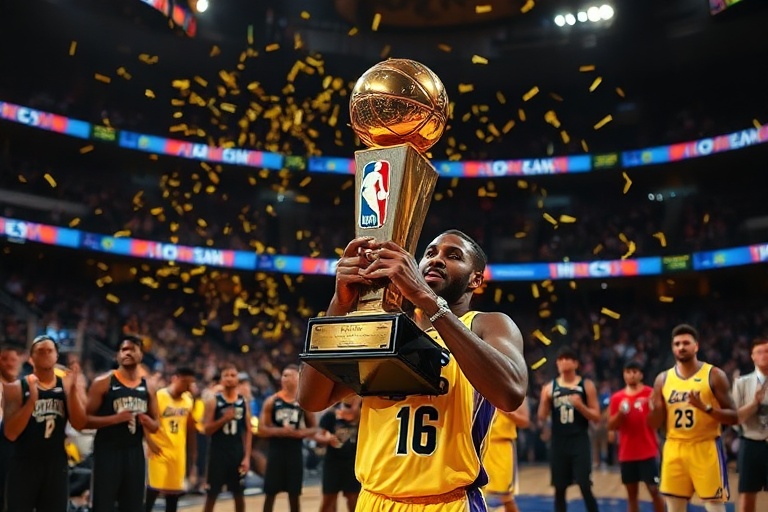
The Most Valuable Player award in the NBA represents more than just individual excellence. It reflects the pulse of the league during a given season, capturing the essence of performance, leadership, and influence on the court. Unlike other major sports awards, the MVP is determined by a combination of media voting and, in some cases, fan input, making it a barometer of public perception as much as statistical achievement.
This honor has evolved since its inception in 1955-56, when Bob Pettit became the first recipient. Initially, it was seen as a measure of dominance within a single season. Today, it carries global significance, influencing player legacies, endorsement deals, and even international basketball culture. The award’s prestige extends beyond American borders, shaping how fans worldwide view the game’s elite.
The Criteria That Define an MVP Candidate
While statistics remain the foundation of MVP debates, the award increasingly values intangibles. Traditional metrics like points per game, rebounds, assists, and efficiency still matter, but voters now weigh leadership, clutch performances, and team success more heavily. The rise of analytics has introduced advanced metrics such as Player Efficiency Rating (PER) and Win Shares, which help quantify a player’s overall impact beyond box-score numbers.
Team success plays a critical role. Historically, MVPs often came from teams that finished atop their conference. However, recent years have seen exceptions, with players from middle-tier teams making strong cases based on extraordinary individual dominance. The 2022-23 season, for instance, featured a tight race between Joel Embiid and Nikola Jokić, where both players carried their teams deep into the playoffs while posting historic numbers.
Key Factors in MVP Considerations
- Statistical Dominance: Leaders in scoring, playmaking, and efficiency often top the conversation.
- Clutch Performances: Players who elevate their game in high-pressure moments gain voter trust.
- Team Success: Conference standings and playoff implications heavily influence perceptions.
- Longevity and Consistency: Sustained excellence over a full season weighs heavily in voting.
- Cultural Impact: Global influence and marketability now factor into the conversation.
The Globalization of the MVP Narrative
The NBA’s expansion beyond North America has transformed the MVP race into a worldwide spectacle. Players from Europe, Africa, and Australia are now regular contenders, reflecting the league’s diverse talent pool. Giannis Antetokounmpo’s back-to-back MVPs (2019, 2020) symbolized this shift, as he became the first international player to win the award in consecutive seasons. His journey from a young prospect in Greece to the face of the Milwaukee Bucks resonated globally, particularly in regions where basketball was growing rapidly.
This globalization extends to fan engagement. Social media platforms allow international audiences to engage with MVP campaigns in real time. Highlights from games in Tokyo, Paris, or Lagos circulate instantly, creating a shared narrative that transcends borders. The NBA’s international games and regional fan bases have turned the MVP race into a year-round conversation, not just a North American one.
Controversies and Shifts in MVP Voting Trends
Despite its prestige, the MVP award has faced criticism for perceived biases and inconsistencies. Voters often prioritize traditional positions, with guards historically receiving more support than big men, even when the latter post superior all-around stats. The 2016-17 race, where Russell Westbrook averaged a triple-double but lost to James Harden, sparked debates about whether statistical volume or team success should dominate the conversation.
Another recurring controversy involves the weighting of regular-season dominance versus playoff success. While some argue that the MVP should be a regular-season award, others believe playoff performances should carry more weight. The 2020-21 season highlighted this divide, as Jokić won the award despite the Denver Nuggets’ early playoff exit, while Joel Embiid and other contenders pushed for a narrative centered on playoff success.
Notable MVP Controversies
- 2016-17: Russell Westbrook’s triple-double season lost to James Harden amid debates about efficiency versus volume.
- 2017-18: James Harden’s 30.4 PPG season earned him the award, but voters questioned whether his playstyle was sustainable.
- 2020-21: Jokić won despite Denver’s first-round playoff exit, reigniting discussions about playoff success versus regular-season dominance.
- 2022-23: Embiid’s historic scoring season edged out Jokić, highlighting the growing influence of statistical dominance in MVP races.
Why the MVP Award Matters Beyond the Court
The MVP award is more than a personal accolade; it influences careers, markets, and the broader basketball ecosystem. For players, it often marks the pinnacle of their prime years, opening doors to lucrative endorsements and legacy-building opportunities. LeBron James’ four MVP awards (2009, 2010, 2012, 2013) cemented his status as one of the game’s all-time greats, while also propelling his off-court ventures into global entertainment.
From a business perspective, MVPs drive merchandise sales, jersey popularity, and even franchise valuations. Teams with MVPs often see spikes in ticket demand and sponsorship interest. Internationally, MVPs become ambassadors for the sport, inspiring young players in their home countries to pursue basketball dreams. The award’s global reach has made it a cultural touchstone, celebrated in sports bars from Shanghai to São Paulo.
Looking Ahead: The Future of the MVP Race
As the NBA continues to expand globally, the MVP race will likely become even more inclusive. Emerging talents from Africa, Australia, and Europe are poised to challenge the traditional power structures of the league. Players like Victor Wembanyama and Chet Holmgren, with their unique skill sets, could redefine what it means to be an MVP in the coming years.
The evolution of player roles will also shape future MVP debates. The game’s shift toward positionless basketball means voters may increasingly prioritize versatility and defensive impact. The rise of “two-way” players who excel on both ends of the floor could lead to new narratives in MVP discussions.
Technology will further democratize the conversation. Advanced analytics and real-time data will give fans and analysts deeper insights into player performance, making MVP races more data-driven and transparent. Social media will continue to amplify diverse voices, ensuring that the MVP narrative reflects a global perspective.
Conclusion
The NBA MVP award remains one of sports’ most compelling honors, blending statistical achievement, leadership, and cultural significance. Its evolution mirrors the league’s growth, from a North American-centric competition to a global phenomenon. As the game changes, so too will the criteria and narratives surrounding the MVP, ensuring its relevance for decades to come.
For fans, the MVP race is a year-long story, filled with twists, debates, and unforgettable performances. Whether you’re a statistician, a historian, or simply a lover of the game, the pursuit of the MVP award offers something for everyone. It’s a reminder that basketball, at its core, is about more than just wins and losses—it’s about excellence, inspiration, and the pursuit of greatness.
Explore more about the NBA’s impact on global culture and its rising stars on our Sports and Analysis pages.