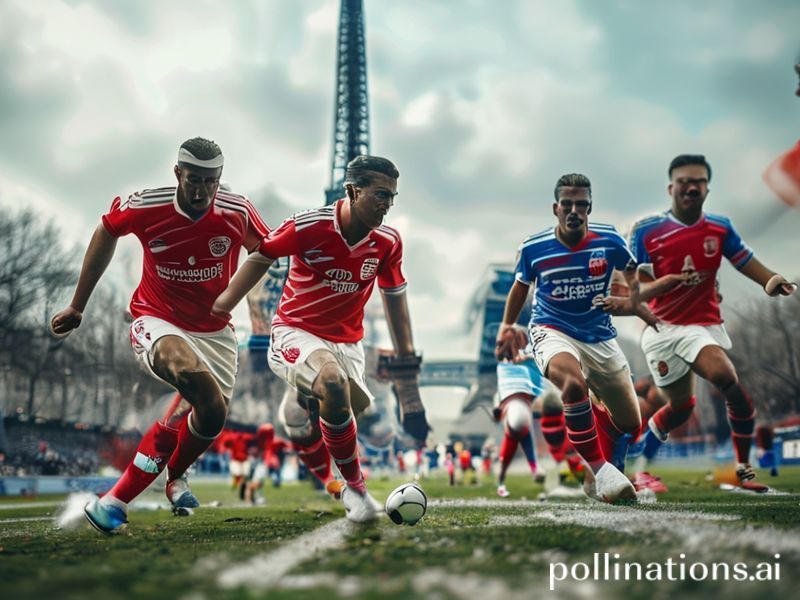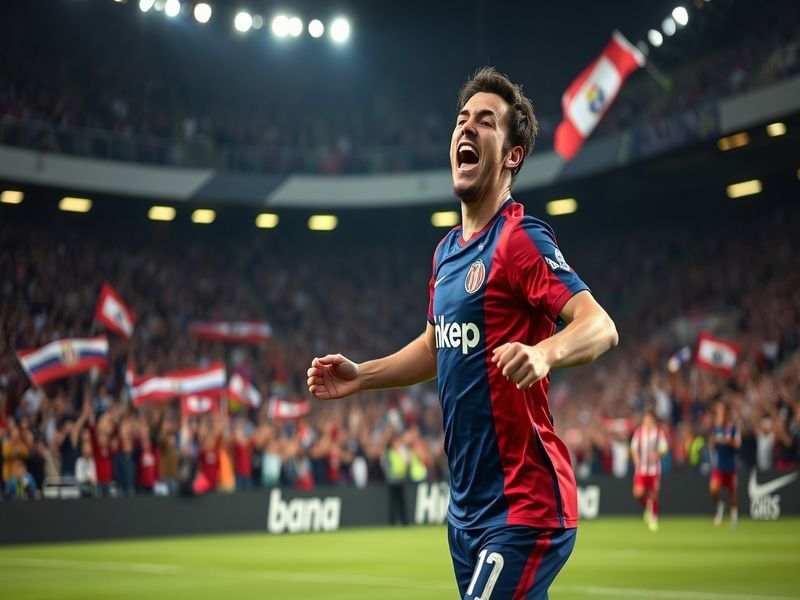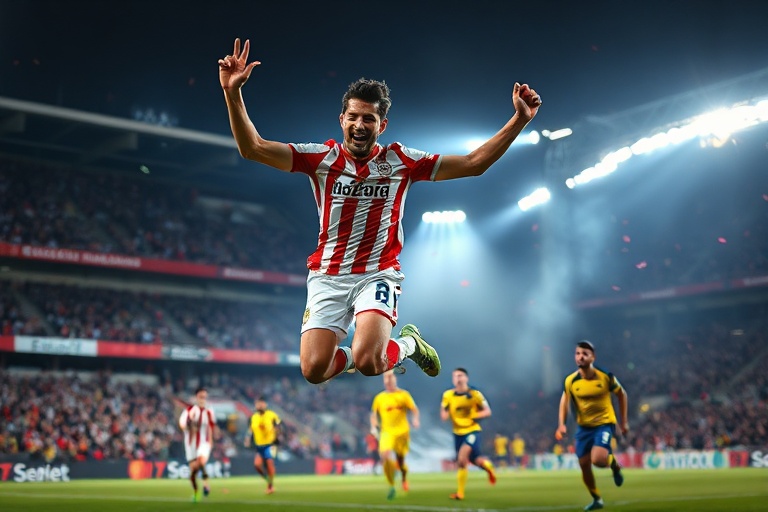
When Rayo Vallecano and Villarreal face off in La Liga, the clash often reveals more than just a three-point battle. These matches carry distinct tactical narratives, with Rayo’s high-pressing style contrasting Villarreal’s structured, possession-based approach. The recent fixture at the Campo de Fútbol de Vallecas showcased both sides’ strengths and weaknesses, leaving fans eager for deeper insights into what drives their performances.
Recent Form and League Positioning
Rayo Vallecano entered the match in 12th place, clinging to mid-table safety with a string of inconsistent results. Their home form had been particularly unpredictable—strong wins over mid-tier sides like Osasuna and Getafe balanced by puzzling draws against relegation rivals. Villarreal, meanwhile, sat in 8th, flirting with European contention but stumbling against top teams. Their away performances had been especially shaky, with only two clean sheets in their last ten matches on the road.
In their most recent head-to-head, Rayo secured a narrow 2–1 victory at the Estadio de la Cerámica. That result highlighted Rayo’s ability to disrupt Villarreal’s rhythm, particularly in wide areas where their pressing traps often forced turnovers. Villarreal, however, showed resilience in possession, patiently probing for gaps. This tactical duel set the tone for their next encounter.
Key Factors in the Build-Up
- Rayo’s pressing triggers: The team led by Francisco led by Francisco leads with a man-oriented press, focusing on forcing Villarreal’s center-backs into long balls or errors under pressure.
- Villarreal’s midfield control: The trio of Parejo, Capoue, and Baena looks to control tempo, using short passing to lure Rayo out of shape before exploiting half-spaces.
- Set-piece threats: Both teams rely heavily on dead-ball situations—Rayo with quick restarts, Villarreal with choreographed routines involving Gerard Moreno and Alexander Sørloth.
Tactical Breakdown: How Each Side Approaches the Game
Rayo Vallecano under Francisco has become synonymous with aggressive, vertical football. Their 4-4-2 base morphs into a 4-2-4 when pressing, with wingers dropping into midfield to compress space. This intensity often leads to early chances but leaves them exposed on the counter. Villarreal, under Pacheta, employs a 4-3-3 that shifts into a 4-1-4-1 in defense, prioritizing positional discipline over reactive pressing.
In possession, Villarreal’s full-backs push high, stretching play and creating overloads in wide areas. Rayo counters by forcing play inside, where their midfield duo—often Trejo and Óscar Valentín—can press in tandem. The match often hinges on whether Villarreal can break Rayo’s first line of pressure and whether Rayo can capitalize on the inevitable turnovers Villarreal’s patient buildup creates.
Player Matchups That Matter
- Rayo’s Trejo vs. Villarreal’s Parejo: Two deep-lying playmakers with vastly different roles—Trejo as a destroyer, Parejo as a metronome. Their duel in midfield will dictate tempo.
- Rayo’s Camello vs. Villarreal’s Sørloth: A battle of contrasting styles—Camello’s mobility against Sørloth’s physical presence in the air and hold-up play.
- Full-back influence: Rayo’s Mario Hernández and Villarreal’s Acuña both provide width but in different ways—Hernández as a progressive carrier, Acuña as a traditional crosser.
Injuries, Suspensions, and Team News
In the lead-up to the match, Rayo faced a minor injury crisis. Left-back Nacho was ruled out with a hamstring strain, forcing Francisco to reshuffle his backline. Youngster Mario Hernández stepped in, adding youth and dynamism to the left side. Villarreal, meanwhile, welcomed back midfielder Johan Mojica after a one-game suspension, a boost to their attacking options.
Rayo also had to contend with the absence of forward Stoichkov, sidelined with a calf issue. His replacement, Martín Merquelanz, brought a different profile—more direct, less technical, but capable of stretching defenses. Villarreal’s lineup remained largely unchanged, with Gerard Moreno leading the line and Moi Gómez providing width on the right.
Late Tactical Adjustments
With 20 minutes left and the score tied 1–1, Francisco introduced youth sensation Salvi Sánchez. His introduction shifted Rayo’s shape to a 3-4-3, with Comesaña dropping into a three-man defense. Villarreal responded by bringing on Chukwueze for depth, signaling a shift to a 4-4-2 with both forwards pressing high. These adjustments reflected the game’s tactical depth—both managers reacting to the other’s changes in real time.
Conclusion: A Match That Reflects Broader Trends
The Rayo Vallecano vs. Villarreal fixture is more than a mid-table clash—it’s a microcosm of modern La Liga. Rayo represents the new wave of pressing, aggressive football, while Villarreal embodies the pragmatic, possession-based approach that has long defined Spanish football. Their battles often produce high-intensity, end-to-end football, making them a neutral’s delight.
As the season progresses, both teams will look to these matches to build momentum. For Rayo, consistency remains the goal; for Villarreal, it’s about tightening their defensive structure without sacrificing creativity. In a league where every point counts, these tactical duels carry outsized importance.
Whether you’re a fan of high-octane football or tactical chess matches, Rayo vs. Villarreal delivers on both fronts. And as the season unfolds, this fixture will likely serve as a bellwether for both teams’ ambitions and limitations.
For more analysis on La Liga’s tactical trends, visit our Sports section. To dive deeper into pressing systems and their evolution, check out our Analysis category.