the pentagon
The Pentagon’s Origins and Architectural Symbolism
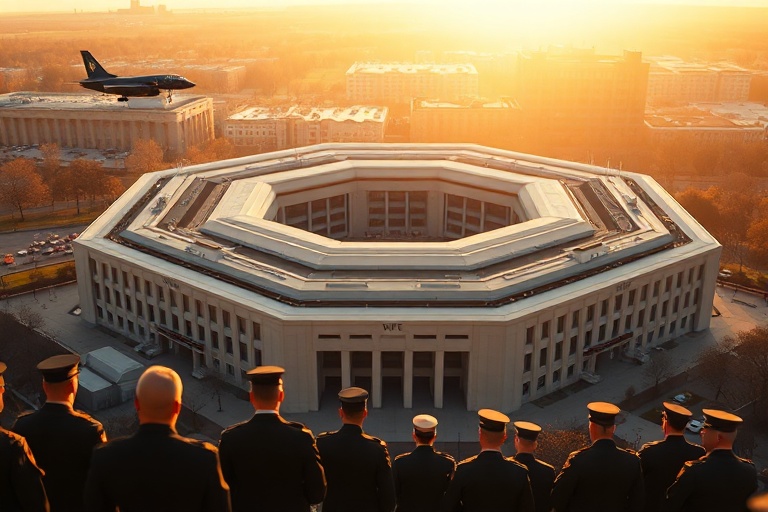
The Pentagon stands as one of the most recognizable structures in the world—not just for its size, but for what it represents. Completed in 1943, just 16 months after groundbreaking, this five-sided headquarters was designed by architect George Bergstrom and built under the urgent demands of World War II. Its unique shape wasn’t an aesthetic choice alone; it was a practical solution to a space crisis. The U.S. War Department needed a centralized command center, and the compact, efficient design allowed nearly 20,000 employees to work under one roof during a time of global conflict.
The building’s design also carries symbolic weight. The five sides are said to represent the three branches of the U.S. Armed Forces—Army, Navy, and Air Force—along with the Marine Corps and Coast Guard, though official explanations vary. More broadly, the pentagon has become a global emblem of military power and strategic planning. Its location in Arlington, Virginia, just across the Potomac River from Washington, D.C., places it at the intersection of national security policy and operational execution.
A Symbol of Power and Vulnerability
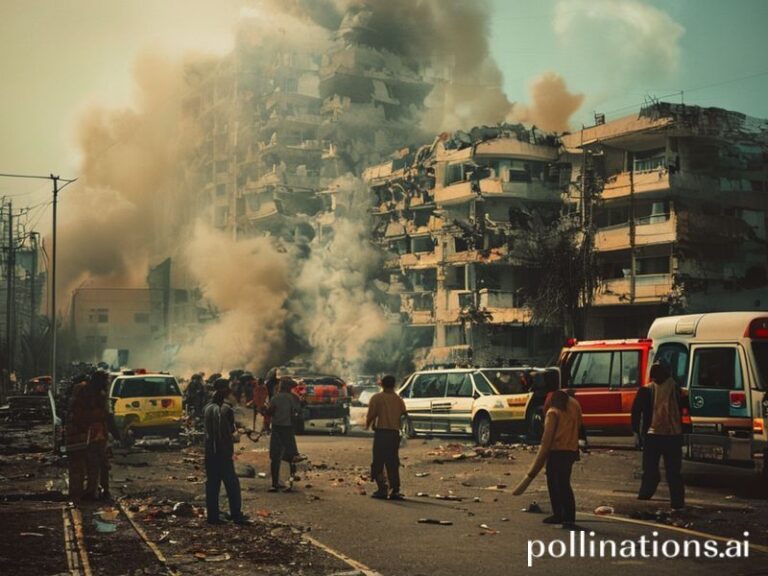
The Pentagon’s significance extends beyond architecture. It is the operational heart of the U.S. Department of Defense, overseeing military operations, intelligence coordination, and defense policy for the most powerful armed forces on Earth. Yet, its very visibility makes it a target—and one that has been struck before. On September 11, 2001, American Airlines Flight 77 crashed into the western side of the building, killing 184 people and causing massive structural damage. The attack transformed the Pentagon from a symbol of invincibility into a visible target of global terrorism, forcing a reevaluation of security protocols worldwide.
In the aftermath, the damaged section was rebuilt with a memorial—now known as the Pentagon Memorial—featuring 184 benches, each dedicated to a victim, arranged according to their ages. The site serves as both a tribute and a reminder of the cost of security in an era of asymmetric warfare. It also underscores how symbols of power are not immune to the chaos of modern conflict.
The Pentagon’s Role in Global Military Strategy
The Pentagon is not just a building; it is a command nexus. From this single structure, the U.S. military coordinates operations across the globe, from counterterrorism missions in the Middle East to naval patrols in the South China Sea. The building houses the Joint Chiefs of Staff, the Secretary of Defense, and numerous military commands, including U.S. Cyber Command and the Missile Defense Agency.
Its influence is felt far beyond U.S. borders. Through alliances like NATO and partnerships with nations across Africa and Asia, decisions made within its corridors reverberate in capitals from Brussels to Tokyo. The Pentagon’s annual budget—over $700 billion in recent years—shapes global defense markets, technological innovation, and even diplomatic relations. Countries both allied and adversarial watch its policies closely, knowing that what happens inside often dictates military engagements thousands of miles away.
Technological Innovation and the Future of Defense
Technology has increasingly become central to the Pentagon’s operations. From the development of stealth aircraft to the integration of artificial intelligence in logistics and battlefield decision-making, the Department of Defense invests heavily in next-generation solutions. Projects like the X-37B spaceplane and AI-driven predictive maintenance systems highlight how the Pentagon blends traditional military strategy with cutting-edge innovation.
Yet, this technological evolution also raises ethical and strategic questions. The rise of drone warfare, cyber operations, and autonomous weapons systems has transformed how conflicts are fought—and who can fight them. The Pentagon now faces the challenge of maintaining dominance in an era where military power is no longer solely measured in tanks and aircraft carriers, but in data streams and algorithmic superiority.
Cultural Impact: From Hollywood to Global Protests
The Pentagon’s cultural footprint rivals its physical one. It has starred in countless films, from Dr. Strangelove to Top Gun: Maverick, often portrayed as either a fortress of justice or a bureaucratic monolith. These portrayals shape public perception, reinforcing the idea that the Pentagon is both protector and potential threat. Meanwhile, the building has also been a site of protest. During the Vietnam War, anti-war demonstrators staged sit-ins and marches near its gates. In recent years, activists have gathered to oppose military interventions, drone strikes, and defense budget allocations, using the Pentagon as a symbolic stage for dissent.
The Pentagon in the Public Imagination
The Pentagon occupies a paradoxical space in the global imagination: simultaneously a symbol of security and a target of criticism. For some, it represents the guardians of freedom and democracy. For others, it embodies the militarization of foreign policy and the human cost of war. This duality is reflected in how it is depicted across media, literature, and art. In some narratives, it is a last line of defense. In others, it is a monolithic entity driving endless conflict.
Its architectural design, often mimicked in corporate and government buildings worldwide, reinforces its status as a global archetype of institutional power. The five-sided structure has been replicated in cities from Beijing to Brussels, not as military buildings, but as symbols of authority and efficiency. This architectural legacy speaks to the Pentagon’s outsized influence—not just in defense, but in shaping how institutions around the world project power.
Challenges and the Path Forward
The Pentagon today faces a complex landscape. Rising powers like China and Russia challenge U.S. military dominance, while non-state actors exploit asymmetrical tactics. Climate change threatens military installations. Cyber threats target critical infrastructure. And within the United States, debates rage over defense spending, military recruitment, and the ethical use of force. The Pentagon must adapt—not just in technology, but in strategy and transparency.
A Balancing Act: Security, Ethics, and Accountability
One of the most pressing challenges is balancing secrecy with accountability. Intelligence operations, special forces missions, and nuclear programs require confidentiality to function. Yet, overclassification and lack of oversight have led to scandals, from the Abu Ghraib prison abuses to failures in Afghanistan. Whistleblowers like Chelsea Manning and Edward Snowden have exposed gaps between policy and practice, forcing the Pentagon to confront its own contradictions.
Meanwhile, public trust in military institutions has fluctuated. While the U.S. Armed Forces remain among the most respected institutions in the country, incidents of misconduct—from sexual assault in the ranks to civilian casualties in drone strikes—have eroded confidence. The Pentagon’s future may depend not only on technological superiority, but on its ability to reconcile its role as a global enforcer with the values it claims to uphold.
The Pentagon’s Role in a Multipolar World
As global power structures shift, the Pentagon’s position is being redefined. China’s rapid military modernization, including advances in hypersonic missiles and AI-driven command systems, presents a direct challenge to U.S. dominance. Russia’s invasion of Ukraine has demonstrated the enduring role of conventional warfare, even in an era of cyber and hybrid threats. Meanwhile, nations like India, Turkey, and Iran are asserting military independence, reducing reliance on U.S.-led defense frameworks.
In this multipolar environment, the Pentagon’s strategy may need to shift from unilateral dominance to coalition-building and technological deterrence. The rise of defense alliances like AUKUS (Australia, UK, U.S.) and initiatives such as the Indo-Pacific Strategy reflect this evolution. Yet, the core mission remains: to protect American interests while navigating a world where traditional alliances are no longer guaranteed.
Conclusion: More Than Just a Building
The Pentagon is more than a five-sided office complex. It is a monument to power, a target of violence, a hub of innovation, and a stage for protest. It shapes global security, influences technological progress, and reflects the contradictions of modern warfare. Its walls have witnessed both triumph and tragedy, and its policies will continue to define the balance of global power for decades to come.
As the world changes, so too must the Pentagon. Whether through reform, innovation, or strategic retreat, its next chapter will be written not just in Washington, but across the planet. One thing is certain: the Pentagon’s story is far from over. It remains a living institution—flawed, formidable, and forever under scrutiny.