Tybee Island: Nature, History, and Culture on Georgia’s Coast
Tybee Island: A Coastal Jewel Bridging Nature and Culture
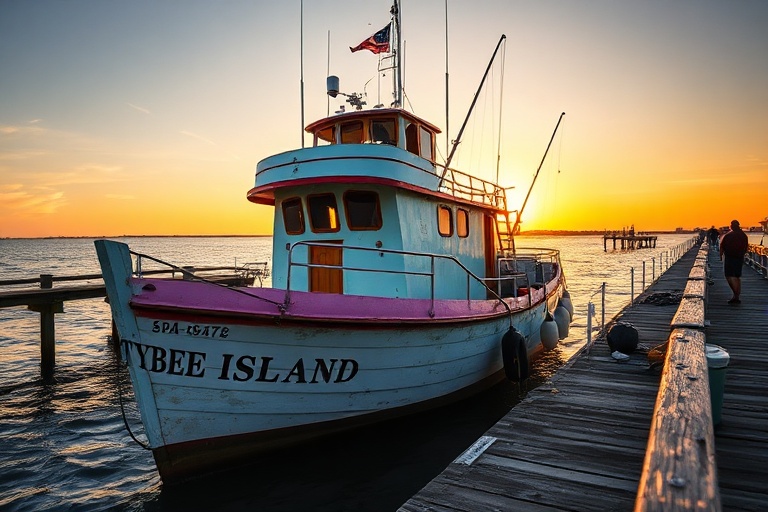
Few places capture the essence of a destination as effortlessly as Tybee Island. Located just 20 minutes east of Savannah, Georgia, this barrier island blends natural beauty with deep-rooted history and a vibrant local culture. With its wide sandy beaches, historic lighthouses, and laid-back atmosphere, Tybee has evolved from a quiet fishing village into a sought-after retreat for travelers from around the world.
But Tybee Island is more than a seasonal escape. It stands as a microcosm of coastal resilience, environmental stewardship, and cultural preservation. From its Indigenous past to its role in military history, the island tells a story that resonates far beyond its 3-mile length. This is a place where the rhythm of the tides meets the pulse of community life—where every sunset is a reminder of time’s gentle passage.
A Brief History: From Indigenous Roots to Modern Appeal
Tybee Island’s history stretches back over 4,000 years, long before European settlers arrived. The island was originally inhabited by the Guale people, a Native American tribe who relied on the rich marine ecosystem for sustenance and spiritual connection. Archaeological evidence, including shell middens and pottery fragments, reveals a deep cultural presence that thrived along these shores.
By the 16th century, Spanish missionaries established missions on nearby islands, bringing European influence to the region. Tybee’s name itself is believed to derive from the Guale word “tabby,” referring to the island’s abundant oyster shell deposits used in early construction. The shift from Indigenous stewardship to colonial settlement marked the beginning of a complex cultural evolution.
In the 19th century, Tybee gained strategic importance as a military outpost. Fort Screven, built in 1898, served as a coastal defense system during both World Wars. Today, remnants of these fortifications stand as silent witnesses to the island’s role in global conflicts. The Tybee Island Light Station, first lit in 1736, remains one of the oldest lighthouses on the U.S. East Coast, guiding ships through the treacherous waters of the Savannah River.
Nature’s Canvas: Wildlife and Environmental Conservation
Tybee Island is not just a destination for relaxation—it’s a living ecosystem teeming with biodiversity. The island’s maritime forests, salt marshes, and tidal creeks support a variety of species, including loggerhead sea turtles, bottlenose dolphins, and over 250 bird species. Each year, from May to October, sea turtle nests dot the shoreline, drawing conservationists and visitors alike to witness the delicate cycle of life.
The Tybee Island Marine Science Center plays a pivotal role in protecting these natural treasures. Through education and research, the center engages locals and tourists in understanding the delicate balance of coastal ecosystems. Programs like “Turtle Walks” during nesting season offer hands-on experiences that foster a deeper appreciation for wildlife conservation.
Environmental challenges, however, loom large. Rising sea levels and increased storm activity threaten the island’s fragile landscape. Local organizations, in partnership with state agencies, are implementing shoreline stabilization projects and promoting sustainable tourism practices. These efforts reflect a growing global consciousness about preserving coastal environments in the face of climate change.
Cultural Tapestry: Art, Music, and Community Life
Tybee Island’s cultural identity is as rich as its natural one. The island has long been a haven for artists, musicians, and writers seeking inspiration from its tranquil yet dynamic environment. The Tybee Arts Association curates exhibitions and workshops that showcase local talent, from watercolor painters capturing the marshlands to sculptors inspired by the ocean’s rhythms.
Music also pulses through Tybee’s veins. The annual Tybee Island Pirate Festival transforms the island into a lively celebration of folklore, featuring sea shanties, pirate reenactments, and live performances. Meanwhile, the Tybee Island Shrimp Festival, held every October, highlights the island’s culinary heritage with a beloved tradition that dates back to the 1930s.
Community life on Tybee is defined by its tight-knit character. Residents, many of whom are descendants of the island’s original families, maintain a strong sense of identity. Local businesses, from family-owned seafood shacks to boutique shops, contribute to the island’s charm. This blend of tradition and modernity creates a unique atmosphere where history and contemporary culture coexist harmoniously.
Global Connections: Tybee’s Place in the World
While Tybee Island may be a small barrier island, its influence extends far beyond its shores. As part of the broader “Golden Isles” region, which includes nearby St. Simons and Jekyll Islands, Tybee contributes to Georgia’s reputation as a top coastal destination. International travelers, particularly from Europe and Canada, are drawn to its uncrowded beaches and authentic Southern charm.
The island’s connection to the wider world is also evident in its culinary scene. Tybee’s restaurants serve up a fusion of Southern comfort food and global influences. Dishes like shrimp and grits with a Thai twist or locally caught fish prepared with Mediterranean flavors reflect the island’s diverse palate. This culinary evolution mirrors global trends in farm-to-table dining and sustainable sourcing.
For those seeking adventure beyond the beach, Tybee offers opportunities to explore nearby historical sites. Savannah’s cobblestone streets and antebellum architecture are just a short drive away, providing a contrast to Tybee’s relaxed vibe. The contrast between the island’s laid-back atmosphere and Savannah’s bustling cultural scene highlights the diversity of experiences available in the region.
The Future of Tybee Island
As Tybee Island looks ahead, it faces both opportunities and challenges. The COVID-19 pandemic accelerated a shift in tourism, with more visitors seeking open-air, uncrowded destinations. This trend has brought economic benefits but also raised concerns about overdevelopment and environmental strain. Local leaders are now focused on sustainable growth, balancing tourism with preservation.
Initiatives like the Tybee Island Master Plan aim to guide future development while protecting the island’s natural and cultural resources. Community input plays a crucial role in shaping policies that ensure Tybee remains a place where both residents and visitors can thrive. From expanding green spaces to promoting eco-friendly accommodations, these efforts reflect a commitment to long-term sustainability.
For those who call Tybee home or visit its shores, the island’s allure lies in its ability to adapt without losing its soul. It remains a place where the past and present coexist, where the sound of waves mingles with the laughter of families, and where the simple act of watching a sunset becomes a profound experience.
Tybee Island may be small in size, but its impact is anything but. It stands as a testament to the enduring appeal of coastal living, a reminder of the importance of preserving natural beauty, and a beacon of cultural richness in an ever-changing world.