UFC White House: When Sports Entertainment Meets Political Power
The UFC White House has become more than just a playful mashup of two American institutions. It represents a cultural moment where combat sports, politics, and celebrity culture collide in unexpected ways. While the term originated as internet humor, its persistence reveals deeper trends about how sports figures engage with power structures.
The phenomenon gained traction in 2024 when UFC President Dana White made headlines with his public support for a particular political figure. This wasn’t the first time a sports organization found itself in the political spotlight, but the UFC’s unique position as both a global entertainment empire and a regulated sport makes this intersection particularly fascinating.
The Origins of the UFC White House Meme
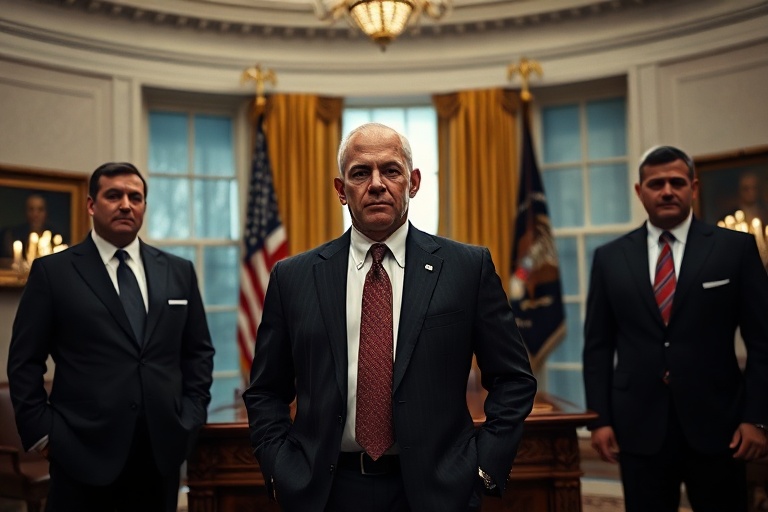
The term “UFC White House” emerged from social media as users combined images of Dana White with official White House photographs. The humor stems from White’s polarizing public persona and the UFC’s growing political influence. Unlike traditional sports leagues, the UFC operates with fewer regulatory constraints, giving its leadership more freedom to express political opinions.
This meme culture reflects a broader trend where sports personalities are increasingly seen as political figures. The UFC’s global reach—with events in over 40 countries and millions of pay-per-view buys—means White’s statements receive international attention. The “UFC White House” concept crystallizes how sports entertainment blurs into political commentary.
The UFC’s Political Evolution
The Ultimate Fighting Championship has transformed from a controversial bloodsport into a mainstream entertainment powerhouse. This evolution has coincided with its leadership taking more public political stances. Dana White’s vocal support for Republican candidates, particularly in 2024, marked a significant shift from the organization’s traditionally apolitical public posture.
Several factors explain this evolution:
- Media Strategy: The UFC’s partnership with ESPN and other major networks has given its leadership more mainstream media access, amplifying political statements.
- Regulatory Freedom: As a privately held company, the UFC faces fewer restrictions on political speech compared to publicly traded sports leagues.
- Fan Base Demographics: UFC’s core audience skews younger and more conservative than traditional sports fans, aligning with certain political movements.
- Global Expansion: As the UFC grows internationally, its political messaging adapts to different markets while maintaining an American-centric approach.
The organization’s political engagement isn’t limited to White’s statements. UFC fighters have increasingly used their platform for political expression, with some joining advocacy groups while others face backlash for their stances.
The Impact on UFC’s Brand and Business
The UFC’s political forays have created both opportunities and risks. On one hand, aligning with popular political figures can strengthen its connection with certain fan segments. On the other, it risks alienating international audiences where American politics carry less weight or where different political views prevail.
Several business implications stand out:
- Sponsorship Challenges: While some brands benefit from the UFC’s political alignment, others may distance themselves to avoid controversy.
- International Relations: Hosting events in countries with different political systems requires careful navigation of local sensitivities.
- Fighter Relations: The UFC’s political stance can create tension with fighters who hold opposing views, potentially affecting locker room dynamics.
- Media Partnerships: Networks like ESPN must balance their coverage between sporting events and the political commentary surrounding them.
The UFC’s approach to these challenges has been inconsistent. While some political statements are framed as personal opinions from leadership, others have been integrated into the organization’s official communications, blurring the lines between personal and corporate positions.
Comparing the UFC to Other Sports Organizations
The UFC’s political engagement differs markedly from other major sports leagues. The NFL, NBA, and MLB have established policies regarding political speech from players and executives. The UFC, by contrast, has no formal policy, leaving individual leaders and fighters to navigate these waters independently.
Several key comparisons emerge:
- Regulation: Traditional leagues operate under collective bargaining agreements that include political speech clauses. The UFC’s non-unionized workforce gives it more flexibility but less structure.
- Global Reach: While the NFL and NBA have international audiences, the UFC’s events are often more concentrated in specific markets where American politics resonate differently.
- Leadership Style: Dana White’s brash, unfiltered communication style contrasts sharply with the more measured approaches of commissioners like Roger Goodell or Adam Silver.
- Fan Engagement: UFC fans tend to be more politically active on social media, creating an environment where political statements receive immediate and intense feedback.
This comparison reveals that the UFC’s political engagement isn’t just about individual personalities—it’s baked into the organization’s fundamental structure. The lack of formal policies and the centralized decision-making process create a different kind of political dynamic than what exists in more established sports leagues.
The Future of UFC in the Political Arena
As the UFC continues to expand, its relationship with politics will likely evolve in several directions. The organization’s next chapter may be shaped by three key developments:
- Leadership Changes: Any transition in UFC leadership—whether through succession or sale—could significantly alter its political positioning.
- Regulatory Shifts: As governments worldwide pay more attention to combat sports regulation, the UFC may face pressure to formalize its political engagement policies.
- Fighter Unionization: If UFC fighters successfully unionize, the organization may need to establish formal channels for political expression and negotiation.
The UFC’s current approach—where political statements flow freely from the top down—may not be sustainable in the long term. As the organization matures, it will need to develop more sophisticated strategies for managing its political identity while maintaining its brand appeal.
For now, the “UFC White House” remains a cultural curiosity that highlights the organization’s unique position in the sports entertainment landscape. Whether this phenomenon becomes a lasting trend or a passing phase may depend on factors beyond the UFC’s control—including the broader political climate in the United States and globally.
The intersection of combat sports and politics isn’t going away. The UFC’s experience offers a case study in how sports organizations navigate these uncharted waters, where every statement, policy, and business decision carries political weight.
Conclusion
The UFC White House phenomenon encapsulates the organization’s journey from controversial upstart to mainstream powerhouse. Its political engagements reflect both the opportunities and challenges of operating in an era where sports, entertainment, and politics increasingly intertwine.
For fans, this means more than just athletic competition—it means engaging with an organization that actively shapes and is shaped by the political world. For the UFC, the challenge will be maintaining its unique identity while navigating the complex expectations of its global audience.
The “UFC White House” may have started as a meme, but it has evolved into something more substantial—a symbol of how sports organizations must now consider their political footprint as seriously as their athletic achievements.
As the UFC continues to grow, its relationship with politics will remain a defining characteristic of its brand. Whether this ultimately strengthens or weakens the organization may be the most compelling story to watch in the coming years.
Explore more sports news or read analytical pieces on similar topics.