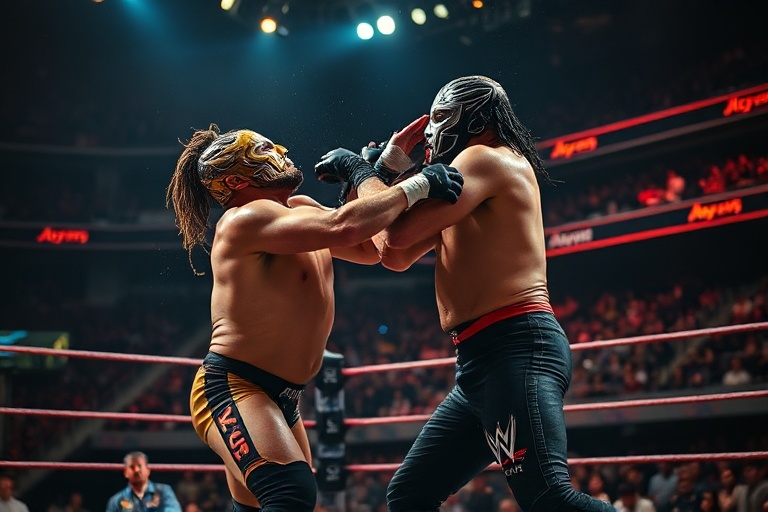
The world of professional wrestling continues to evolve at a rapid pace in 2024, blending traditional athletic performance with digital innovation and cultural commentary. While North American promotions like WWE and AEW dominate headlines, wrestling scenes across Europe, Asia, and Latin America are carving out unique identities that resonate with local audiences. This global expansion reflects broader trends in sports entertainment, where storytelling and spectacle intersect with regional identity.
The past year has seen wrestling become more than just a sport—it has transformed into a multimedia platform where narratives extend beyond the ring into streaming series, podcasts, and fan interactions. The lines between wrestling and mainstream entertainment continue to blur, creating opportunities for new talent and fresh storytelling approaches that challenge conventional norms.
The Rise of Independent Wrestling Scenes
Independent wrestling promotions have flourished in 2024, serving as proving grounds for emerging talent and experimental formats. In the United Kingdom, promotions like Progress Wrestling and RevPro have expanded their reach, hosting events in multiple cities and attracting international stars. These promotions emphasize technical wrestling and long-term storytelling, appealing to fans who crave authenticity over spectacle.
Japan’s wrestling scene remains a powerhouse, with promotions like New Japan Pro-Wrestling (NJPW) and Pro Wrestling NOAH continuing to innovate. NJPW’s focus on high-flying action and international partnerships has solidified its reputation as a global brand. Meanwhile, indie promotions like DDT Pro-Wrestling are pushing boundaries with avant-garde performances that blend comedy, theater, and traditional wrestling.
In Latin America, promotions such as Mexico’s CMLL and AAA are redefining lucha libre with modern twists. AAA’s recent collaborations with streaming platforms have brought lucha libre to global audiences, while CMLL maintains its reputation for technical mastery and cultural heritage. These scenes highlight how wrestling adapts to local tastes while maintaining its core identity.
Key Trends in Independent Wrestling
- Global Collaborations: Promotions are partnering across borders to share talent and expand fan bases.
- Streaming Integration: Digital platforms are becoming essential for reaching younger audiences.
- Authentic Storytelling: Fans increasingly favor promotions that prioritize character development over gimmicks.
- Diversity and Inclusion: More women and LGBTQ+ performers are headlining events and shaping narratives.
WWE and AEW: A Tale of Two Giants
WWE and AEW continue to dominate the wrestling landscape in 2024, each pursuing distinct strategies to engage audiences. WWE’s focus on family-friendly entertainment and global expansion has kept it a household name, while AEW’s commitment to adult-oriented storytelling and talent-friendly contracts has attracted top performers disillusioned with WWE’s rigid system.
WWE’s recent emphasis on international markets, particularly in the Middle East and Asia, reflects its ambition to become a truly global brand. Events like WWE Crown Jewel in Saudi Arabia draw massive audiences, blending sports entertainment with cultural diplomacy. However, this expansion has sparked debates about labor practices and the ethical implications of partnerships with authoritarian regimes.
AEW, on the other hand, has solidified its position as WWE’s primary competitor by prioritizing wrestler well-being and creative freedom. The promotion’s weekly television programs, Dynamite and Collision, offer a blend of in-ring action and compelling storytelling. AEW’s decision to sign former WWE stars like CM Punk and Bryan Danielson has further blurred the lines between the two promotions, creating a dynamic where talent movement shapes industry trends.
Comparing WWE and AEW in 2024
- Business Model: WWE leans into global spectacle and merchandise sales, while AEW emphasizes live events and television ratings.
- Creative Direction: WWE’s programming often feels formulaic, whereas AEW’s storytelling is more experimental and wrestler-driven.
- Talent Relations: WWE’s contract structures are rigid, while AEW’s approach attracts free agents seeking flexibility.
- Fan Engagement: WWE’s digital presence is polished but corporate, while AEW’s social media and podcasts foster a more grassroots connection.
The Cultural Impact of Wrestling in 2024
Wrestling’s influence extends beyond the squared circle, shaping fashion, music, and even political discourse. In Japan, wrestling idols like Tetsuya Naito have become cultural icons, blending athletic prowess with entertainment personas that transcend sports. Meanwhile, in the United States, wrestlers like CM Punk have leveraged their platform to discuss mental health and social justice, using wrestling as a vehicle for broader conversations.
The rise of wrestling podcasts and YouTube channels has democratized the industry, allowing fans to engage with performers on a personal level. Shows like Wrestling Observer Radio and The Bump provide behind-the-scenes insights that humanize wrestlers and deepen fan connections. This shift reflects a broader trend in sports entertainment, where authenticity and accessibility are prized over polished corporate narratives.
Wrestling’s global reach is also evident in its crossover with other entertainment forms. For example, K-pop stars have collaborated with wrestling promotions, while anime and manga continue to draw inspiration from wrestling culture. In Latin America, wrestling-inspired characters appear in telenovelas and films, underscoring its deep cultural roots.
Wrestling’s Influence Beyond the Ring
- Fashion: Wrestling-inspired streetwear, from New Japan’s bold designs to AEW’s retro aesthetic, is gaining traction in mainstream fashion.
- Music: Wrestlers like The Rock and John Cena have transitioned into music careers, while wrestling-themed anthems remain popular in arenas worldwide.
- Social Media: Performers use platforms like Instagram and TikTok to build personal brands, often eclipsing their in-ring personas.
- Politics and Activism: Wrestlers are increasingly vocal about social issues, using their platform to advocate for change.
The Future of Wrestling: Challenges and Opportunities
As wrestling enters a new era, it faces both challenges and opportunities. The industry must navigate the balance between tradition and innovation, ensuring that it remains relevant to younger audiences while honoring its heritage. The rise of mixed martial arts (MMA) and esports also presents competition for fan attention, forcing wrestling to evolve or risk stagnation.
Technological advancements offer exciting possibilities, from virtual reality experiences to interactive storytelling. Promotions that embrace these tools while maintaining the core elements of wrestling—athleticism, drama, and spectacle—will thrive. Additionally, the global expansion of wrestling presents opportunities for cultural exchange, allowing different styles and narratives to coexist and influence one another.
The future of wrestling may also hinge on its ability to address labor issues and performer well-being. The industry’s history is marred by stories of exploitation, and recent efforts by AEW and independent promotions to prioritize talent welfare could set a new standard. As fans become more discerning, promotions that treat their performers with respect will gain a competitive edge.
Ultimately, wrestling’s survival depends on its ability to adapt without losing its soul. The best wrestling combines athleticism with storytelling, spectacle with authenticity. In 2024, the industry is at a crossroads, with the potential to redefine itself for a new generation.
What’s Next for Wrestling?
- Globalization: More international events and cross-promotional partnerships are likely.
- Technology: Virtual reality, augmented reality, and interactive platforms could revolutionize fan engagement.
- Diversity: Greater representation of women, LGBTQ+ performers, and performers of color will shape narratives.
- Sustainability: Promotions must address labor practices and environmental concerns to ensure long-term viability.
Wrestling in 2024 is a dynamic and multifaceted industry, shaped by global trends, cultural shifts, and the relentless creativity of its performers. As it continues to evolve, wrestling remains a powerful force in sports entertainment, capable of captivating audiences across the world. The challenge for the industry will be to stay true to its roots while embracing the future.