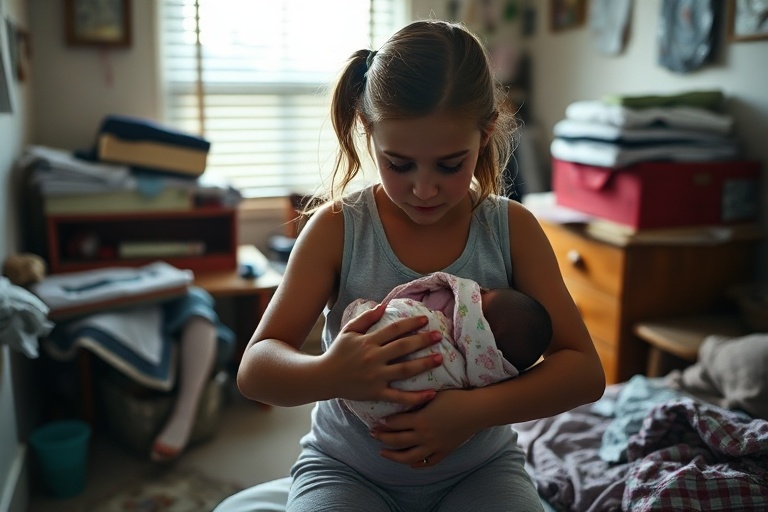
The MTV reality series 16 and Pregnant premiered in 2009, thrusting teenage pregnancy into mainstream television with raw, unfiltered storytelling. The show followed young women navigating parenthood, relationships, and education while facing judgment from peers, family, and society. More than a decade later, its cultural footprint remains significant, sparking debates about media representation, reproductive health, and societal responsibility.
The Show That Changed Teen Pregnancy Conversations
Before 16 and Pregnant, teenage pregnancy was often discussed in hushed tones or framed as a moral failing. The series shattered that silence by presenting the issue through personal narratives, showing the financial struggles, emotional toll, and logistical challenges of early parenthood. While critics argued the show exploited its subjects, supporters praised its ability to humanize a stigmatized demographic.
Research from the Health section of Dave’s Locker suggests the show correlated with a measurable decline in teen births. A 2014 study by the RAND Corporation found that areas with high viewership of 16 and Pregnant saw a 5.7% reduction in teen births. The study’s lead author, Melissa Kearney, noted that the show’s portrayal of struggles likely influenced teens to delay pregnancy.
Key Takeaways from the Series
- Realism over sensationalism: Unlike scripted dramas, the series used real footage of its participants’ lives, from doctor’s appointments to heated arguments with partners.
- Economic hardship: Many episodes highlighted the financial strain of raising a child on minimum wage, a reality often overlooked in public discourse.
- Parental involvement: Some families stepped up to support their daughters, while others reacted with anger or abandonment, reflecting the spectrum of real-life responses.
- Educational setbacks: Several participants struggled to complete high school, underscoring the academic challenges of teen parenthood.
Beyond the Screen: The Broader Implications
16 and Pregnant didn’t just entertain; it became a cultural flashpoint for discussions about sex education, contraception access, and welfare policy. Critics argued that the show glamorized early parenthood or placed blame solely on the teens, ignoring systemic issues like poverty, inadequate sex education, or lack of healthcare access.
On the other hand, advocates pointed to the show’s role in normalizing conversations about reproductive health. For many viewers, it was the first time they witnessed the consequences of unprotected sex or the realities of single motherhood. The series also gave a platform to young women who often felt invisible in mainstream media.
Policy and Public Health Responses
The show’s impact extended to legislative chambers. In 2010, Texas state representative Diana Maldonado cited 16 and Pregnant as evidence for expanding sex education programs in schools. Meanwhile, organizations like Planned Parenthood used the series to advocate for comprehensive sex education and affordable contraception.
However, some policymakers pushed back, arguing that the show encouraged a punitive approach to teen parents rather than offering solutions. The debate highlighted a broader tension: Should society focus on prevention or support for those already affected?
The Legacy of the Franchise
16 and Pregnant spawned multiple spin-offs, including Teen Mom OG, Teen Mom 2, and Teen Mom Family Reunion. These follow-up series continued to document the lives of former teens as they navigated adulthood, co-parenting, and personal growth. While some cast members achieved financial stability and emotional resilience, others faced relapse, legal troubles, or custody battles.
The franchise’s longevity speaks to its ability to evolve with its audience. Later seasons introduced discussions about mental health, domestic violence, and the pressures of social media, reflecting broader societal shifts. Yet, the core premise remained: What does it mean to be young, pregnant, and alone in America?
Where Are They Now?
The show’s participants became unlikely role models—or cautionary tales—depending on one’s perspective. Some, like Maci Bookout and Farrah Abraham, parlayed their fame into reality TV careers, while others, like Catelynn Baltierra, used their platforms to advocate for adoption and mental health awareness.
The franchise also faced criticism for its portrayal of adoption. Some argued that the show framed adoption as the only positive outcome, ignoring the complexities of open adoptions or the emotional toll on birth mothers. Others praised its honest depiction of the adoption process, which helped demystify the experience for viewers.
Lessons for Modern Audiences
In an era where reality TV often prioritizes drama over substance, 16 and Pregnant stands out for its unflinching look at a pressing social issue. Its legacy invites reflection on how media shapes public perception—and whether entertainment can drive real-world change.
For educators and parents, the series remains a valuable tool for discussing sex, responsibility, and empathy. For teens, it offers a glimpse into the consequences of their actions, though it’s worth noting that the show’s portrayal is not universal. Every pregnancy is different, and the factors leading to teen parenthood are as varied as the individuals involved.
The broader conversation about 16 and Pregnant isn’t just about the show itself—it’s about how society addresses teenage pregnancy. Does it punish, support, or educate? The answers are rarely simple, but the series forced a conversation that was long overdue.
Ultimately, 16 and Pregnant was more than a guilty pleasure. It was a mirror held up to America’s contradictions: our celebration of individualism clashing with our judgment of those who fail to meet societal expectations. The show’s participants became symbols—of resilience, of struggle, of the messy reality of life beyond the headlines.