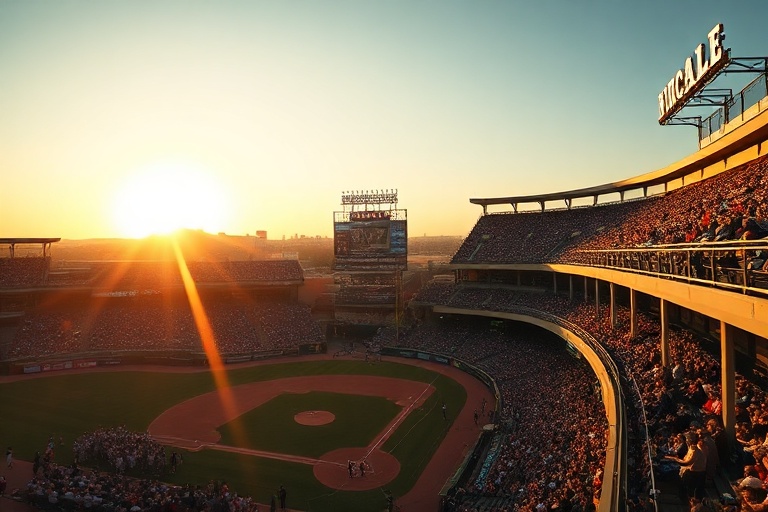
2026 NCAA Baseball Tournament Predictions
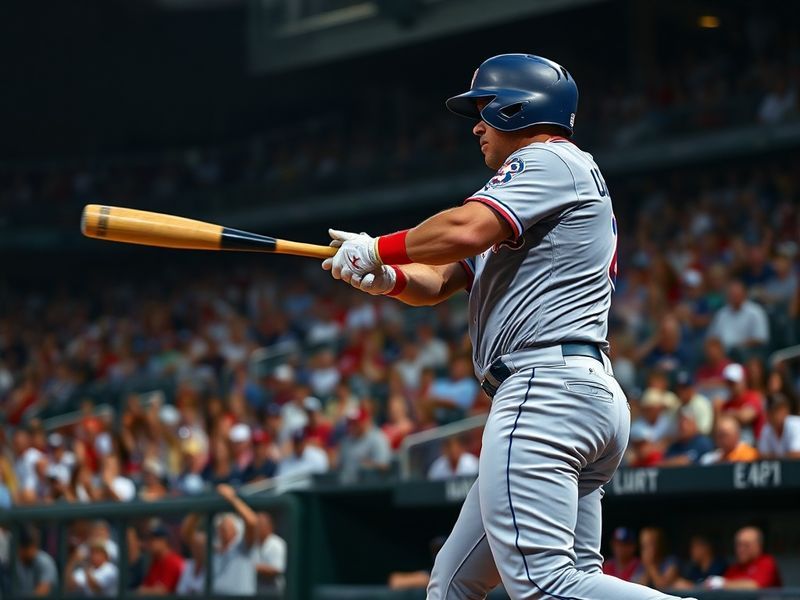
The NCAA Baseball Tournament, known as the College World Series, is one of the most anticipated events in collegiate sports. As we look ahead to 2026, the landscape of college baseball continues to evolve, with rising stars, shifting power dynamics, and fresh competition. The tournament isn’t just a showcase of talent; it reflects broader trends in sports culture, including the globalization of the game and the increasing influence of analytics. This year’s predictions must consider more than just last season’s stats—they should account for offseason transfers, coaching changes, and the unpredictable nature of March Madness-style play.
From a global perspective, college baseball is becoming a pipeline for international talent. Programs like Florida State and Vanderbilt have increasingly recruited players from Latin America and Asia, bringing diverse playing styles to the diamond. This cultural exchange enriches the sport but also complicates predictions, as teams with multinational rosters may adapt tactics that surprise traditional powerhouses. Meanwhile, smaller conferences are making strides, proving that geography no longer dictates success. The 2026 tournament could be defined by underdogs rising to the occasion or by the dominance of established programs with fresh strategies.
Top Contenders for 2026
The usual suspects—Tennessee, LSU, and Florida—remain strong, but the real story might be the teams poised to break through. Programs like Arkansas and Texas A&M have invested heavily in facilities and recruiting, while mid-major conferences like the Sun Belt and Big 12 are producing more competitive squads. The following list highlights teams with the best odds based on returning talent, coaching stability, and recent trends:
- Tennessee Volunteers – With a veteran core led by a deep pitching rotation, Tennessee enters 2026 as the favorite. Their ability to perform under pressure in high-stakes games makes them a consistent threat.
- LSU Tigers – The Tigers have a history of excelling in the tournament, and with a blend of power hitters and agile fielders, they’re primed for another deep run. Their recruiting class this year included several high-ceiling international prospects.
- Florida Gators – Florida’s program has transformed under recent leadership, emphasizing speed and defensive precision. If their pitching holds up, they could be the sleeper team of 2026.
- Arkansas Razorbacks – Arkansas has quietly built a powerhouse, with a lineup that combines power and contact hitting. Their home-field advantage in the early rounds could be decisive.
- Texas A&M Aggies – The Aggies have invested in state-of-the-art training facilities, and their recruiting class is one of the best in the nation. If their pitching develops as expected, they could be a finalist.
The unpredictability of baseball means upsets are always possible. Teams like Wake Forest and Coastal Carolina have shown in recent years that they can knock off traditional giants. The 2026 tournament might just belong to a program that nobody expects—until they start winning.
International Influence on the Tournament
College baseball is no longer just an American sport. Programs are increasingly scouting talent from countries like Japan, South Korea, and the Dominican Republic, where baseball is deeply ingrained in the culture. For example, players from Japan often bring disciplined plate discipline and exceptional defensive skills, while Dominican athletes tend to have explosive power and speed. This global infusion is changing how teams strategize, with coaches now prioritizing versatility in their lineups.
Culturally, the presence of international players has also diversified fan engagement. Programs with strong international pipelines often attract global audiences, especially in regions where baseball is growing. The 2026 tournament could feature a World Series matchup between a team with a Japanese ace and one with a Dominican slugger, symbolizing the sport’s evolving identity. This shift isn’t just about talent—it’s about how the game is played, marketed, and consumed worldwide.
For American fans, this global perspective adds a layer of intrigue. Watching a pitcher from Puerto Rico strike out a lineup stacked with players from California and Texas feels like a glimpse into the future of the sport. It also raises questions about how traditional powerhouses will adapt. Will they double down on domestic recruits, or will they embrace the global market to stay competitive?
Underdogs and Dark Horses
While the favorites grab headlines, the NCAA Baseball Tournament has always been defined by its Cinderella stories. Teams like Old Dominion and UNC Wilmington have made deep runs in recent years, proving that money and reputation aren’t everything. In 2026, several mid-tier programs are poised to defy expectations:
- Old Dominion Monarchs – Known for their gritty, defensive-first style, Old Dominion could ride a hot streak into Omaha. Their pitching staff is one of the most underrated in the country.
- UNC Wilmington Seahawks – With a balanced lineup and a knack for clutch hitting, UNC Wilmington has the tools to surprise. Their coach’s aggressive baserunning tactics could catch opponents off guard.
- UC Irvine Anteaters – The Anteaters have a history of overachieving in the postseason. If their pitching holds up, they could be the team no one wants to face in the regional round.
- Sam Houston State Bearkats – A program on the rise, Sam Houston State has a potent offense and a coach who knows how to manage a game. Don’t be surprised if they make a run to the semifinals.
The beauty of the tournament lies in its unpredictability. A single hot streak from a reliever, a defensive gem, or a walk-off home run can change a team’s fate overnight. For underdogs, the key is often momentum—and in 2026, the right bounce at the right time could propel an unexpected team into the national spotlight.
Key Factors That Could Shape the Tournament
Predicting the 2026 NCAA Baseball Tournament isn’t just about identifying the best teams. Several external factors could influence the outcome, from weather conditions to rule changes. Here’s what to watch:
- Weather and Scheduling – Early-season tournaments in warm-weather states like Florida and Arizona can give teams a competitive edge. Conversely, teams playing in colder climates might struggle with rust.
- Transfer Portal Impact – The NCAA’s transfer portal has reshaped rosters overnight. Teams that lose key players to transfers may struggle, while those who add impact transfers could surge.
- Rule Changes – If the NCAA introduces experimental rules, such as pitch clocks or stricter balk enforcement, teams accustomed to a slower pace may need to adapt quickly.
- Injuries – Baseball is a grind, and injuries to pitchers or position players can derail a season. The team with the deepest bench might have the best chance to withstand setbacks.
Another consideration is the role of analytics. Teams are increasingly relying on data to optimize lineups, defensive shifts, and pitching matchups. While analytics can provide an edge, they also make the game more predictable—and in a tournament setting, unpredictability is a weapon. The team that balances data with instinct might have the ultimate advantage.
Final Thoughts
The 2026 NCAA Baseball Tournament promises to be a fascinating blend of tradition and innovation. As global talent reshapes the sport, and underdogs challenge the status quo, fans can expect a tournament filled with drama and surprises. Whether it’s a powerhouse program defending its title or a mid-major team defying the odds, the journey to Omaha will be worth following.
The beauty of college baseball lies in its unpredictability. Unlike professional leagues, where dynasties are common, the NCAA tournament thrives on chaos. For coaches, players, and fans alike, the unknown is what makes the game so compelling. As we head into 2026, one thing is certain: the next Cinderella story is just one pitch away.
For more insights into the world of college sports, visit our Sports section, where we cover everything from recruiting trends to tournament analysis.