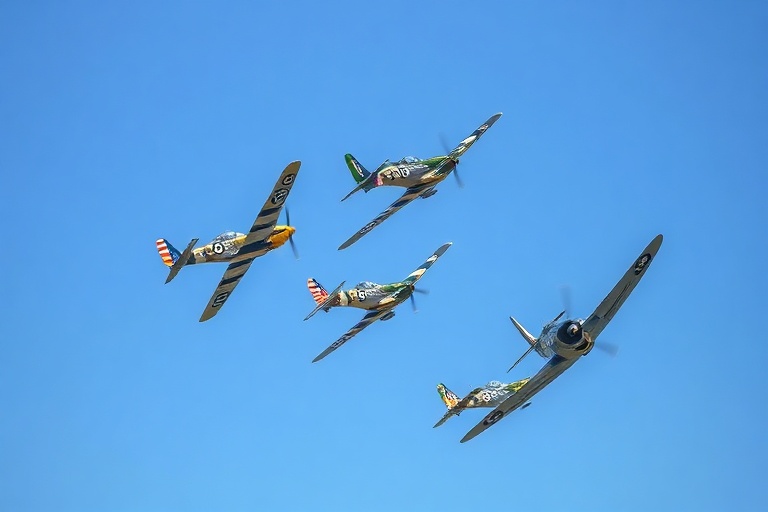
air show
The roar of engines, the streak of smoke across the sky, and the collective gasp from the crowd—air shows transform open fields into stages for some of the most breathtaking displays of human ingenuity and courage. These events do more than entertain; they preserve history, push technological boundaries, and inspire future generations of pilots and engineers. From vintage warbirds to cutting-edge aerobatic teams, air shows offer a rare glimpse into the world of flight that few experiences can match.
What began as military demonstrations to showcase aerial prowess has evolved into a global phenomenon, attracting millions of spectators annually. The evolution reflects not just changes in aviation technology, but also shifts in public fascination with flight. Whether it’s the precision of a military jet formation or the daredevil stunts of civilian aerobatic pilots, air shows remain a powerful reminder of humanity’s enduring relationship with the skies.
The History and Evolution of Air Shows
The origins of air shows trace back to the early 20th century, shortly after the Wright brothers’ first powered flight in 1903. Early exhibitions were often dangerous affairs, with barnstormers—daredevil pilots—performing stunts for small-town crowds across America. These pilots risked life and limb to entertain and educate the public about the possibilities of flight. The tradition gained momentum after World War I, when surplus military aircraft and trained pilots became widely available.
By the 1920s and 1930s, air shows had grown into organized events, often tied to aviation expos and national celebrations. The first major international air show, the Paris Air Show, began in 1909 and continues today as one of the most prestigious aerospace events in the world. Military air shows, particularly in Europe, became platforms for nations to demonstrate their aerial might, especially in the lead-up to World War II. These events were not just displays of power—they were exercises in soft diplomacy, fostering international relations through shared fascination with flight.
After the war, air shows evolved further, incorporating civilian aviation and aerobatics. The formation of teams like the U.S. Air Force Thunderbirds (1953) and the British Royal Air Force Red Arrows (1965) brought a new level of artistry and discipline to the spectacle. These teams turned aerial maneuvers into a kind of airborne ballet, blending precision, coordination, and raw power. Today, air shows serve multiple roles: they are entertainment hubs, recruitment tools for armed forces, and critical venues for aircraft manufacturers to debut new models.
What to Expect at a Modern Air Show
Attending an air show is an immersive experience that engages all the senses. The day typically begins with static displays—grounded aircraft lined up for close inspection. Spectators can walk beneath the wings of historic bombers like the B-17 Flying Fortress, marvel at modern fighters like the F-35 Lightning II, or get up close to vintage trainers like the T-6 Texan. Many shows offer interactive exhibits, flight simulators, and opportunities to meet pilots and crew members.
The flying portion of the show is where the magic happens. Performances are carefully choreographed, often set to music that enhances the drama of each maneuver. Aerobatic pilots push their aircraft to the limits, executing loops, rolls, and spins with such precision that the plane appears to defy physics. Military demonstration teams like the Thunderbirds or the Canadian Snowbirds perform synchronized passes, their jets leaving trails of colored smoke that paint the sky.
Modern air shows also feature civilian performers who special as well as vintage warbird pilots who recreate historic dogfights or formation flights from World War II. Some events include night shows, where aircraft equipped with LED lights perform dazzling aerial displays against the darkening sky. The variety ensures there’s something for every type of aviation enthusiast, from casual observers to die-hard fans.
Beyond the thrills, many air shows serve important educational purposes. Schools and youth organizations often partner with event organizers to offer STEM-focused activities, giving students hands-on experience with aviation principles. Workshops on aerodynamics, flight physics, and even drone technology provide young minds with a tangible connection to the science behind flight.
Top Features to Look For at an Air Show
- Military Jet Demonstrations: High-speed passes, afterburner displays, and synchronized formations that showcase the agility and power of modern fighter jets.
- Vintage Warbird Performances: Historic aircraft flown by skilled pilots, often featuring recreations of World War II dogfights or early Cold War-era maneuvers.
- Civilian Aerobatics: Solo pilots performing precision stunts in everything from Pitts Specials to Extra 300s, often with smoke trails adding to the visual drama.
- Static Displays: The chance to board aircraft like the B-29 Superfortress, the SR-71 Blackbird, or modern marvels like the Airbus A350, often with guided tours by veterans or engineers.
- Night Shows: A newer trend where aircraft equipped with LED lights perform synchronized routines, turning the sky into a canvas of color and motion.
The Role of Air Shows in Aviation Culture
Air shows are more than just spectacles—they are vital to the preservation and advancement of aviation culture. For enthusiasts, they offer a rare opportunity to see legendary aircraft in action. Many vintage warbirds, for example, are privately owned and flown by dedicated pilots who maintain these relics of history with painstaking care. Air shows provide the platform for these aircraft to take flight, ensuring their stories continue to be told.
For the aerospace industry, air shows are critical for testing new technologies and generating public interest. Manufacturers debut new aircraft models, often with dramatic flyovers or live demonstrations. The Paris Air Show and the Farnborough Airshow in the UK are prime examples, where billions of dollars in deals are announced and new innovations are unveiled. These events help shape the future of aviation, from electric aircraft to hypersonic flight.
Aviation culture thrives on community, and air shows foster that sense of belonging. Clubs, museums, and aviation schools use these events to recruit new members and fundraise for their programs. The Experimental Aircraft Association (EAA), for instance, hosts AirVenture Oshkosh, the world’s largest aviation gathering, which draws over 600,000 attendees annually. Events like this celebrate not just flying, but the entire ecosystem of aviation—from pilots and mechanics to engineers and historians.
The emotional impact of air shows cannot be overstated. For many spectators, the sight of a vintage P-51 Mustang soaring overhead evokes a sense of nostalgia, while the roar of a modern F-22 Raptor inspires awe for the future. Air shows remind us that flight is not just a mode of transportation—it’s a testament to human ambition, innovation, and courage.
The Future of Air Shows
As aviation technology advances, so too does the nature of air shows. The rise of electric aircraft, for example, is beginning to make its mark on the display circuit. Companies like Pipistrel and Eviation are testing electric planes that promise quieter, more sustainable flight. While these aircraft are still in their early stages, air shows provide a platform to showcase their potential to the public.
Another trend is the increasing focus on sustainability. Many air show organizers are adopting eco-friendly practices, such as reducing waste, promoting carpooling, and even offsetting carbon emissions from aircraft operations. The U.S. Air Force, for instance, has committed to making its air shows more sustainable by 2030, reflecting a broader shift in the aviation industry toward environmental responsibility.
The rise of drone technology is also influencing air shows. While traditional aircraft remain the stars, drones are increasingly being integrated into performances, offering new forms of aerial artistry. Swarms of drones can create intricate light displays, and autonomous aircraft are being tested for roles in search-and-rescue missions and other practical applications. These innovations are blurring the lines between manned and unmanned flight, opening up new possibilities for future shows.
Despite these changes, the core appeal of air shows remains unchanged. They are a celebration of human achievement in flight, a reminder of the bravery of pilots, and a window into the future of aviation. As long as there are skies to conquer and stories to tell, air shows will continue to captivate audiences around the world.
Why Air Shows Matter
Air shows play a unique role in bridging the past, present, and future of aviation. They honor the pioneers who first took to the skies, celebrate the technological marvels of today, and inspire the innovators of tomorrow. For veterans, they offer a chance to reconnect with the aircraft they flew or worked on. For children, they ignite a passion for flight that could shape their careers. For the general public, they provide a moment of wonder and reflection on the incredible journey of human flight.
In an era where air travel is often taken for granted, air shows remind us of the awe that first inspired humanity to reach for the skies. They are a testament to the enduring allure of flight—a force that has driven progress, shaped history, and continues to push the boundaries of what’s possible.
Whether you’re a seasoned aviation enthusiast or a first-time spectator, an air show offers an experience like no other. It’s a reminder that, in a world of screens and digital distractions, there’s still nothing quite like the raw power and beauty of an aircraft cutting through the sky.
For those looking to dive deeper into the world of aviation, consider exploring Dave’s Locker aviation category for more stories, insights, and resources. You can also check out historical deep dives on iconic aircraft and their stories.