Antoine Griezmann: Career, Legacy, and Global Impact Explained
Antoine Griezmann has spent over a decade redefining what it means to be a complete footballer. His journey from U17 European champion to Ballon d’Or contender and World Cup winner illustrates a career built on adaptability, intelligence, and relentless work ethic. Off the pitch, he has cultivated a brand that transcends sports, blending charisma with business acumen.
Early Life and the Formative Years
Born on March 21, 1991, in Mâcon, France, Antoine Griezmann’s path to football stardom was anything but conventional. Unlike many top athletes who joined elite academies in their early teens, Griezmann spent his formative years in relative obscurity. At age 14, after being rejected by several French academies due to his slight build, he moved to Spain to join Real Sociedad’s youth setup—a decision that would shape his entire career.
The move to San Sebastián was pivotal. Living with a host family and learning Spanish, Griezmann immersed himself in a new culture and football philosophy. His technical development flourished under the Basque club’s system, which emphasized possession, creativity, and positional fluidity. By 2009, he made his first-team debut, and within three years, he had become a La Liga regular, drawing attention for his dribbling, vision, and goal-scoring instinct.
A Breakthrough in La Liga
Griezmann’s breakthrough season came in 2012–13, when he scored 10 goals and provided 7 assists in 35 appearances. His performances caught the eye of Europe’s elite, culminating in a €30 million transfer to Atlético Madrid in 2014. This move marked the beginning of a new chapter—one that would see him star in one of Spain’s most intense and competitive leagues.
At Atlético, under Diego Simeone, Griezmann matured into a tactical chameleon. He played as a false nine, a second striker, and even in wide roles, demonstrating an ability to thrive in multiple systems. His knack for decisive moments—whether scoring in derbies or delivering in Europe—solidified his reputation as a big-game player.
The France National Team: A World Cup Winner’s Journey
Griezmann’s international career has been equally impressive. He made his France debut in 2014 and quickly became a cornerstone of the team’s attack. Though France crashed out in the quarter-finals of the 2014 World Cup, Griezmann announced himself on the global stage with a goal against Nigeria in the Round of 16.
Euro 2016: The Heartbreak and Redemption
Hosting the Euro 2016 turned into a personal and collective rollercoaster for Griezmann. He led France to the final, scoring six goals and providing two assists—winning the Golden Boot as the tournament’s top scorer. Though France lost to Portugal in the final, Griezmann’s composure and creativity earned widespread acclaim.
Two years later, at the 2018 World Cup in Russia, Griezmann reached the pinnacle of international football. Playing a pivotal role as a false nine and set-piece specialist, he scored four goals and provided two assists, helping France lift the trophy. His man-of-the-match performance in the final against Croatia—including a crucial assist for Mario Mandžukić’s own goal—cemented his legacy as one of France’s greatest-ever players.
Leadership and Legacy
Even after France’s disappointing 2022 World Cup exit, Griezmann remained a leader. As vice-captain, he embodies the new generation of French footballers—confident, intelligent, and unafraid to speak on broader issues. His influence extends beyond goals and assists; he has become a cultural figure representing French football’s diversity and dynamism.
Club Career: From Atlético to Barcelona and Beyond
Griezmann’s club career is a tapestry of ambition, adaptation, and resilience. His time at Atlético Madrid (2014–2019) was the bedrock of his fame. During his five seasons, he scored 133 goals and provided 52 assists in 277 appearances. He won the Europa League in 2018 and reached the Champions League final in 2016, delivering in both tournaments.
The Barcelona Experiment and Return to Atlético
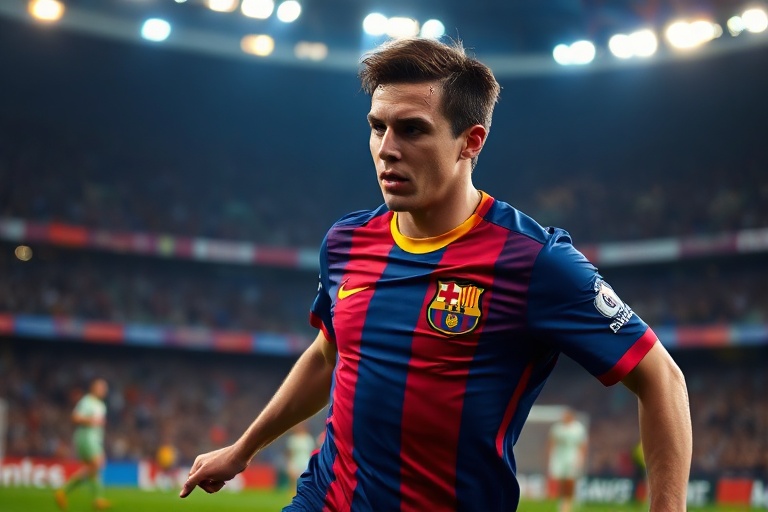
In 2019, Griezmann’s dream move to Barcelona for €120 million seemed destined for greatness. However, the transition to a star-studded attack alongside Lionel Messi, Luis Suárez, and Ousmane Dembélé proved challenging. Playing in a less familiar right-wing role and facing tactical inconsistencies under Ernesto Valverde and Quique Setién, Griezmann struggled to replicate his Atlético form.
After two seasons, he returned to Atlético Madrid on loan in 2021—a move that revitalized his career. Playing in a more central role under Diego Simeone once again, Griezmann rediscovered his form, contributing goals, assists, and leadership. His return underscored a key principle of his career: he thrives when given clear roles and tactical clarity.
A New Challenge at Inter Miami
In 2024, Griezmann made a surprising move to Major League Soccer, joining Inter Miami alongside Lionel Messi and Sergio Busquets. While the league remains in its developmental phase, his arrival signals a new era for American soccer. For Griezmann, it’s less about legacy and more about redefining his career on new terms—showing that even at 33, the hunger to compete and evolve remains undiminished.
Key Career Highlights
- La Liga Player of the Year (2018–19)
- Ballon d’Or nominee (multiple times)
- World Cup winner (2018)
- Europa League winner (2018)
- 4-time UEFA Champions League semi-finalist
- France’s all-time top assist provider (as of 2024)
Off the Pitch: Brand, Business, and Influence
Griezmann’s impact extends far beyond football. He has built one of the most recognizable personal brands in sports, blending authenticity with commercial appeal. His partnership with Puma, launched in 2019, marked a turning point in athlete branding, emphasizing style and performance. The “Grizi” signature line has become a staple in streetwear culture, resonating with younger audiences.
A Voice for Change
Griezmann has also used his platform for social causes. In 2020, he partnered with the UNHCR to support refugees, donating €500,000 to aid displaced children. His public stance on mental health awareness, particularly after the COVID-19 pandemic, has further cemented his role as a thoughtful leader in sports.
Off the pitch, Griezmann’s social media presence is carefully curated—balancing football content with personal insights, humor, and advocacy. Unlike many athletes who treat platforms as billboards, Griezmann uses them to connect, entertain, and inspire, reinforcing his image as a relatable yet aspirational figure.
The Broader Implications of Griezmann’s Career
Griezmann’s career offers several broader lessons about modern football. First, it highlights the importance of adaptability. Whether playing as a false nine, winger, or midfielder, he has consistently reinvented his role to fit team needs—a trait that defines the most valuable modern players.
Second, his journey underscores the global nature of football. From the streets of Mâcon to the pitches of La Liga, the World Cup, and MLS, Griezmann’s career is a testament to football’s power to transcend borders and cultures. It also reflects the growing influence of French football, which has become a global factory of talent and tactical innovation.
Finally, Griezmann’s brand evolution illustrates how athletes can transcend sports. By prioritizing authenticity, creativity, and social responsibility, he has built a legacy that extends beyond trophies—one that may influence future generations of footballers who see themselves as more than just players.
What’s Next for Griezmann?
At 33, Griezmann is in the twilight of his club career but remains a key figure for France. With the 2026 World Cup on the horizon, there is speculation about his international future. Club-wise, his MLS chapter may last another season or two, but his long-term ambition likely points toward a return to Europe—perhaps in a player-coach or ambassadorial role.
Regardless of the path, one thing is certain: Antoine Griezmann has already secured his place among football’s greats—not just for what he achieved, but for how he achieved it.
For more on the intersection of sports, culture, and global influence, visit Dave’s Locker Sports and Dave’s Locker Analysis.