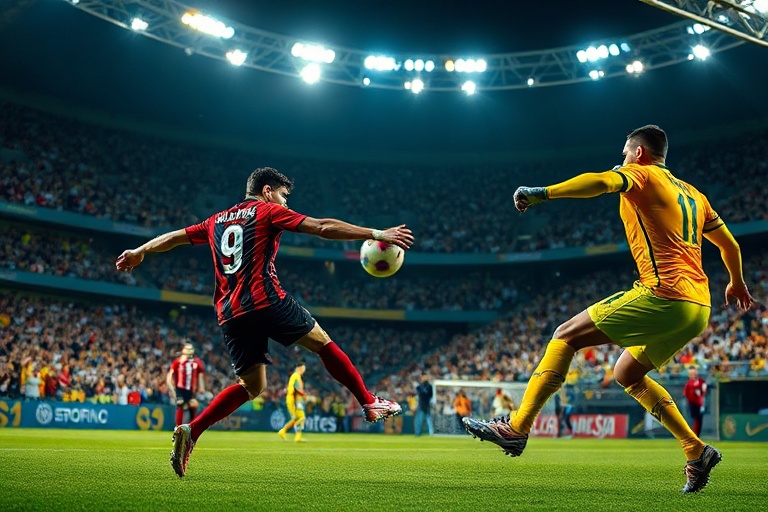
Atlético-PR vs Flamengo: The Rivalry Reshaping Brazilian Football
The Brazilian football landscape is one of the most vibrant and unpredictable in the world. Clubs rise and fall with dizzying speed, and rivalries often transcend the pitch to become cultural touchstones. Among these fierce competitions, the matchup between Atlético Paranaense (Atlético-PR) and Flamengo stands out for its intensity, historical significance, and global appeal.
These two titans have consistently challenged each other for supremacy in both domestic and continental competitions. Their encounters are not just about points on the table; they reflect broader themes of regional identity, financial disparity, and footballing philosophy. As Brazilian football continues to evolve, the Atlético-PR vs Flamengo rivalry offers a compelling lens through which to examine the sport’s shifting dynamics.
The Historical Backdrop: Two Clubs, Two Narratives
Atlético Paranaense, based in Curitiba, represents the gritty underdog narrative. Founded in 1924, the club is deeply rooted in the industrial and agricultural heartland of southern Brazil. Its fanbase, though passionate, has historically lacked the global recognition of its rivals. The team’s identity is built on resilience, tactical discipline, and a commitment to developing young talent—qualities that have earned it the nickname “Furacão” (Hurricane) for its relentless style of play.
Flamengo, on the other hand, is an institution. Founded in 1911 in Rio de Janeiro, it is one of Brazil’s most decorated clubs, with a global fanbase that stretches from Tokyo to Toronto. The club’s success is mirrored by its financial power, a result of lucrative sponsorships, broadcasting deals, and a world-class academy that has produced legends like Zico and more recently, Vinícius Jr. For Flamengo, football is as much about spectacle as it is about victory.
This contrast in identity has shaped their head-to-head record. Flamengo has historically held the upper hand in terms of trophies and star power. Yet Atlético-PR has often emerged as the more unpredictable force, capable of stunning upsets that resonate far beyond the pitch. Their clashes are more than football matches; they are cultural collisions between the established elite and the resilient challenger.
Key Moments That Defined the Rivalry
The Atlético-PR vs Flamengo rivalry has produced several unforgettable moments, each contributing to its lore. One such instance came in the 2018 Copa Libertadores, where the two sides met in the group stage. Flamengo, led by coach Jorge Jesus, entered as favorites, but Atlético-PR stunned them with a disciplined defensive display and a 1-0 victory in Curitiba. The result sent shockwaves through Brazilian football, proving that grit could triumph over star power.
Another defining chapter unfolded in the 2020 Campeonato Brasileiro. Flamengo, fresh off their Libertadores triumph, were in imperious form, while Atlético-PR struggled with injuries and squad instability. Yet in a tightly contested match at the Maracanã, Atlético-PR secured a 1-0 win, sparking wild celebrations among their fans. The victory was symbolic—a reminder that in Brazilian football, anything is possible.
The rivalry has also seen its share of dramatic comebacks. In 2021, Flamengo erased a two-goal deficit to defeat Atlético-PR 3-2 in a thrilling encounter that showcased the unpredictable nature of Brazilian football. Such moments underscore the emotional depth of the rivalry, where every match feels like a battle for pride.
Notable Encounters
- 2018 Copa Libertadores: Atlético-PR 1-0 Flamengo (Curitiba)
- 2020 Campeonato Brasileiro: Flamengo 0-1 Atlético-PR (Rio de Janeiro)
- 2021 Campeonato Brasileiro: Flamengo 3-2 Atlético-PR (Rio de Janeiro)
- 2022 Copa do Brasil: Flamengo 2-0 Atlético-PR (Rio de Janeiro)
Cultural and Global Impact
The Atlético-PR vs Flamengo rivalry transcends the boundaries of Brazilian football. It is a global spectacle, broadcast to millions of fans worldwide through platforms like Dave’s Locker Sports. The matches attract international viewers not just for the football on display, but for the cultural narratives they embody.
For Atlético-PR, the rivalry is a source of local pride. The club’s fans, known for their unwavering support, see every match as an opportunity to challenge the status quo. Their chants and banners often reflect regional pride, with references to Curitiba’s industrial heritage and the club’s underdog status. This sense of identity resonates with fans of smaller clubs across Brazil and even abroad, who see Atlético-PR as a symbol of perseverance.
Flamengo, meanwhile, leverages its global appeal to amplify the rivalry’s reach. The club’s social media presence is unmatched in Brazilian football, with millions of followers who engage with every post, every match, and every controversy. Flamengo’s matches against Atlético-PR are not just sporting events; they are content goldmines, generating memes, debates, and viral moments that spread across platforms like Twitter and TikTok.
The rivalry also highlights broader themes in global football. It reflects the tension between tradition and innovation, between financial power and grassroots development. In an era where clubs like Manchester City and Paris Saint-Germain dominate their domestic leagues, Atlético-PR’s ability to compete with Flamengo offers a refreshing counter-narrative—one where ambition and grit can bridge the gap.
The Tactical Chess Match: How the Teams Approach the Rivalry
Atlético-PR and Flamengo approach their matches with distinct tactical philosophies, each shaped by their histories and resources. Atlético-PR, under coaches like Paulo Autuori and Hernán Crespo, has often employed a pragmatic 4-4-2 formation, prioritizing defensive solidity and quick counterattacks. The team’s strength lies in its midfield battles, where players like Erick and Nacho Fernández excel at disrupting opposition rhythm.
Flamengo, conversely, has embraced a more fluid, possession-based style under managers like Jorge Jesus and Rogério Ceni. The club’s emphasis on technical skill, pressing, and positional play has made it a dominant force in Brazilian football. Players like Arrás and Gabriel Barbosa epitomize this approach, combining creativity with clinical finishing.
When these two styles collide, the result is often a tactical masterclass. Atlético-PR’s defensive organization tests Flamengo’s patience, while Flamengo’s relentless pressure forces Atlético-PR to adapt on the fly. The matches are a chess game, where every move has consequences, and the smallest mistake can be punished.
“The Atlético-PR vs Flamengo rivalry is a perfect example of how football is more than just a game. It’s about identity, culture, and the relentless pursuit of greatness.” — Carlos Alberto, Brazilian football analyst
The Future of the Rivalry
As Brazilian football continues to evolve, the Atlético-PR vs Flamengo rivalry shows no signs of fading. Both clubs are investing in their academies, infrastructure, and global branding, ensuring that their encounters remain must-watch events. Atlético-PR’s recent Copa Libertadores triumph in 2021 has only fueled their ambitions, while Flamengo’s relentless pursuit of continental glory keeps them at the top of the game.
The rivalry’s future also hinges on broader changes in the sport. The rise of women’s football, for instance, has seen Atlético-PR and Flamengo field competitive teams in the Brasileiro Feminino, adding another layer to their competition. Additionally, the increasing commercialization of Brazilian football could either enrich or dilute the rivalry, depending on how clubs balance financial growth with sporting integrity.
One thing is certain: the Atlético-PR vs Flamengo rivalry will continue to captivate fans around the world. It is a story of underdogs and giants, of passion and pragmatism, and of a sport that refuses to be confined by borders or expectations.
Conclusion
The Atlético-PR vs Flamengo rivalry is a testament to the beauty and unpredictability of Brazilian football. It is a clash of cultures, tactics, and ambitions, where every match feels like a chapter in an ongoing epic. For fans, these encounters are more than just games; they are emotional experiences that reflect broader themes of struggle, triumph, and identity.
As both clubs look to the future, their rivalry will undoubtedly produce more unforgettable moments. Whether it’s a dramatic comeback, a tactical masterclass, or a display of sheer resilience, Atlético-PR and Flamengo will continue to remind us why football is the world’s most beloved sport.
For those who love the game, this rivalry is a gift—a reminder that in football, as in life, the journey is just as important as the destination.