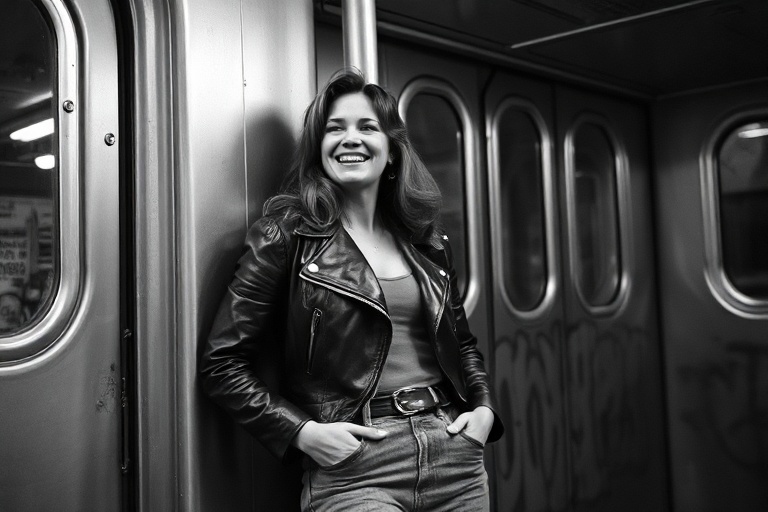
brooke shields
Brooke Shields has spent more than four decades as one of the most recognizable faces in global entertainment. Her career spans modeling, acting, writing, and advocacy, making her a cultural touchstone in the United States, Europe, and beyond. From her breakthrough role in Pretty Baby (1978) to her later appearances in television and literature, Shields has continuously reinvented herself while maintaining a relatable public presence.
Born on May 31, 1965, in New York City, Shields was introduced to the spotlight early. Her mother, a former actress, and father, a businessman, navigated the challenges of raising a child in the public eye. This upbringing, combined with her natural poise, helped shape her into a figure who could command attention both on and off the screen. Her life and career reflect broader shifts in media representation, women’s roles, and celebrity culture across generations.
The Making of a Child Star in a Global Media Landscape
Shields’ ascent began not on film but in print. At just 11 months old, she appeared in a commercial for Ivory Soap. By age 12, she was modeling for brands like Calvin Klein, where the iconic “You want to know what comes between me and my Calvins? Nothing” campaign catapulted her to international fame in 1980. The ad, created by photographer Richard Avedon, became one of the most discussed print campaigns of the decade and remains a touchstone in fashion and advertising history.
Her modeling success wasn’t confined to the United States. Shields graced the covers of Vogue, Elle, and Cosmopolitan in Europe and Asia, becoming a symbol of youthful glamour during an era when American pop culture dominated global markets. In Japan, her image appeared in magazines and on television, reflecting the country’s fascination with Western beauty ideals and youth culture. This transnational reach established her as one of the first true global supermodels, predating the rise of figures like Cindy Crawford and Naomi Campbell.
Her transition from modeling to acting began with Pretty Baby, a controversial film directed by Louis Malle that depicted child prostitution in early 20th-century New Orleans. The film sparked international debate about exploitation, censorship, and the boundaries of artistic expression. Shields’ performance—graphic and unflinching for a 12-year-old—earned both acclaim and criticism, highlighting the ethical complexities of child actors in serious cinema.
Cultural Impact and Ethical Debates
Shields’ role in Pretty Baby was not just a personal milestone but a cultural flashpoint. Critics in France, Italy, and the UK debated whether the film exploited a child or offered a necessary critique of societal complicity in abuse. The controversy followed her into adulthood, shaping public perception of her as someone who had been both victim and survivor. This duality became a recurring theme in profiles and interviews, where journalists often framed her through the lens of resilience.
In interviews, Shields has spoken openly about the psychological toll of early fame. She described feeling isolated and misunderstood during her teenage years, a sentiment echoed by other child stars from different countries, such as British actress Jodie Foster and Indian star Hema Malini. Yet Shields’ ability to articulate these struggles publicly helped normalize conversations about mental health in the entertainment industry, years before such discussions became mainstream.
From Hollywood to Parenthood: Reinvention in the 21st Century
After a series of high-profile film roles in the 1980s and early 1990s—including The Blue Lagoon (1980) and Endless Love (1981)—Shields shifted her focus toward television and writing. Her role as psychiatrist Dr. Charlotte Field in the NBC series Suddenly Susan (1996–2000) made her a household name in living rooms across America and Canada, and later in syndication in Europe and Australia. The show’s humor and relatability helped redefine her image from ingénue to professional woman.
In 2003, Shields published Down Came the Rain: My Journey Through Postpartum Depression, a memoir that addressed her experience with postpartum depression after the birth of her first daughter. The book became a bestseller in North America and the UK, where postpartum mental health was gaining attention through public campaigns and celebrity disclosures. Shields’ openness about therapy, medication, and recovery resonated with women globally, particularly in countries like Sweden and Germany, where maternal mental health support systems are robust but stigma persists.
Her advocacy extended beyond writing. Shields became a vocal advocate for mental health awareness, partnering with organizations such as Postpartum Support International and speaking at events in Dubai, Singapore, and South Africa. These engagements highlighted the universal nature of maternal mental health challenges, transcending cultural and socioeconomic boundaries. In countries where postpartum depression was rarely discussed openly, Shields’ visibility helped normalize the conversation.
A Legacy Beyond the Screen
By the 2010s, Shields had evolved into a multifaceted public intellectual. She hosted the Brooke Shields Podcast, where she interviewed guests ranging from actors to scientists, exploring themes of identity, creativity, and resilience. The podcast reached listeners in over 50 countries, reflecting a global appetite for long-form, conversational media. Her interviewing style—direct yet empathetic—set it apart from the sensationalism often found in celebrity-driven content.
Shields also ventured into theater, starring in the West End production of Suddenly Last Summer in London in 2019. The revival drew international critics and audiences, cementing her reputation as a performer who could command prestige stages. Her performance was praised for its depth and restraint, qualities that have defined her career across decades.
Global Influence and Representation
Unlike many American stars whose fame is concentrated in North America, Shields has maintained a consistent presence in international markets. In France, she is often cited as an icon of 1980s American chic, alongside figures like Grace Jones and Madonna. In Brazil and Mexico, her films from the 1980s are still aired on cable networks, introducing new generations to her work. Even in South Korea, where beauty standards have shifted dramatically, Shields is remembered for her striking features and poise, often referenced in K-beauty campaigns that blend Western and Eastern ideals.
Her influence extends into literature and academia. Scholars in gender studies and film history frequently cite her career as a case study in the representation of women in media. Courses at universities in Canada, Japan, and Germany analyze her roles in Pretty Baby and The Blue Lagoon through the lens of feminist film theory and childhood studies.
Looking Ahead: The Next Chapter
Now in her late 50s, Shields shows no signs of slowing down. She continues to act, write, and advocate, with recent roles in streaming series and guest appearances on talk shows. Her presence on platforms like Instagram and LinkedIn—where she shares personal reflections and professional insights—has introduced her to younger audiences who may not know her from her earlier work.
In an era where authenticity is prized, Shields’ longevity is rooted in her willingness to be vulnerable. Whether discussing her struggles with depression, her experiences as a mother, or the pressures of fame, she offers a rare consistency in a world of curated personas. This authenticity has earned her respect across generations and cultures, making her a rare figure who remains relevant in both pop culture and public discourse.
As media consumption becomes increasingly fragmented, Shields’ ability to adapt—from film to television to podcasting to social media—demonstrates a masterclass in reinvention. She has not just survived the entertainment industry; she has shaped it, leaving a legacy that transcends borders and generations.
Conclusion
Brooke Shields’ career is more than a collection of roles or headlines—it is a reflection of how global culture evolves. She has been a model, actress, author, advocate, and mentor, navigating industries and expectations that have transformed dramatically over the decades. Her story is one of resilience, adaptability, and quiet strength, qualities that continue to inspire audiences around the world.
In an age where celebrity is often fleeting and superficial, Shields stands as a reminder of what it means to build a meaningful career. Her influence is not measured in viral moments but in the lives she has touched, the conversations she has sparked, and the barriers she has broken—both on screen and off.