Cleveland Cavaliers and Detroit Pistons: A Rivalry That Shaped Two Cities
The matchups between the Cleveland Cavaliers and Detroit Pistons have always been more than just basketball games. These two teams represent cities with deep industrial roots, contrasting economic fortunes, and distinct cultural identities. The Cavaliers, born in 1970, emerged from a city that once powered American manufacturing but later faced deindustrialization. The Pistons, founded in 1941, became the heartbeat of Detroit’s blue-collar resilience.
This rivalry extends beyond the court. Cleveland and Detroit share a history of blue-collar pride, labor movements, and struggles with urban decline. Both cities have dealt with population shifts, economic challenges, and the cultural impact of losing major industries. Basketball became one of the few unifying forces in these communities. The Cavaliers-Pistons games weren’t just about wins and losses—they were about city pride, identity, and the resilience of Rust Belt America.
The 2000s: A Decade of Physicality and Playoff Drama
The most intense period of this rivalry unfolded in the 2000s, particularly during the playoffs. The Pistons, under coach Larry Brown, established themselves as one of the NBA’s most formidable teams. Their physical, defensive-minded style earned them the nickname “Bad Boys,” a reference to their aggressive play that often bordered on intimidation.
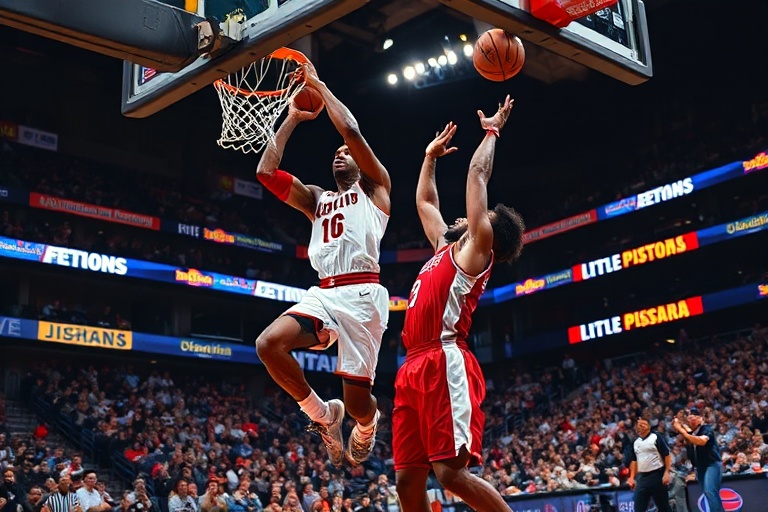
The Cavaliers, led by a young LeBron James, became their primary challengers in the Eastern Conference. The 2006 and 2007 playoff series between the two teams were brutal, featuring hard fouls, trash talk, and high-stakes basketball. The Pistons won both matchups, but the Cavaliers pushed them further than expected. These games were as much about culture as they were about competition—Detroit’s grit versus Cleveland’s rising star.
The rivalry also reflected broader societal tensions. Cleveland’s economic struggles in the 2000s were well-documented, from the decline of its manufacturing base to the infamous 2008 financial crisis. Meanwhile, Detroit’s bankruptcy in 2013 became a symbol of urban decay. Basketball provided a distraction, a way for fans to rally behind their teams as symbols of resilience.
LeBron James: The Player Who Defined the Rivalry
No player embodies the Cavaliers-Pistons rivalry more than LeBron James. Drafted first overall in 2003, James quickly became the face of Cleveland basketball. His battles with the Pistons, particularly in the 2007 playoffs, cemented his reputation as a superstar willing to take on the league’s toughest opponents.
The 2007 Eastern Conference Finals were a turning point. The Pistons, a veteran-laden team, were expected to dominate the young Cavaliers. Instead, James and his teammates pushed Detroit to seven games, proving that Cleveland had arrived as a contender. Though the Pistons ultimately prevailed, the series energized the Cavaliers franchise and set the stage for future success.
James’ return to Cleveland in 2014, after leaving for Miami, reignited the rivalry. The Pistons, now a rebuilding team, couldn’t match the Cavaliers’ star power. Yet the games remained intense, with Detroit fans still holding onto memories of their “Bad Boys” era. The rivalry had evolved—no longer a clash of titans, but a reminder of basketball’s role in shaping cities.
Cultural Impact: Beyond the Scoreboard
The Cavaliers-Pistons rivalry has had a lasting impact on basketball culture. The games were often broadcast nationally, bringing attention to Rust Belt cities that rarely received such coverage. The physicality of the matchups became a talking point—some fans loved the intensity, while others criticized it as too rough.
For Cleveland, the rivalry was a source of pride during difficult times. The Cavaliers’ 2016 NBA Championship, which came after decades of heartbreak, was fueled in part by the lessons learned from battling the Pistons. For Detroit, the rivalry was a reminder of a time when the Pistons were the toughest team in the league, a reflection of the city’s own toughness.
The cultural divide between the two cities also played out on the court. Cleveland’s teams were often seen as underdogs, fighting against the odds. Detroit’s teams, meanwhile, were the enforcers, the team that wouldn’t back down. This dynamic made the rivalry compelling for fans who saw their teams as symbols of their cities’ struggles and triumphs.
Modern Era: A Rivalry in Transition
Today, the Cavaliers and Pistons are in different places. The Cavaliers, after LeBron James’ departure in 2018, have struggled to regain their former glory. The Pistons, meanwhile, are in the midst of a rebuild, looking to recapture the magic of the early 2000s. Yet the rivalry lives on in the memories of fans and the history of the NBA.
Basketball has changed. The physicality that defined the Cavaliers-Pistons matchups is less common today, replaced by a faster, more spaced-out game. But the spirit of the rivalry remains. It’s a reminder of a time when basketball was as much about heart and toughness as it was about skill.
For fans of both teams, the rivalry is a piece of history. It’s a connection to the past, a link to the cities they love, and a testament to the power of sports to bring people together—even when their teams are fierce competitors.
Why This Rivalry Still Matters
The Cavaliers-Pistons rivalry is more than a series of games. It’s a cultural touchstone, a reflection of two cities that have faced adversity and found strength in their basketball teams. It’s a reminder of how sports can shape identity, how rivalries can bring communities together, and how the NBA has become a global stage for stories that go far beyond the court.
As basketball continues to evolve, the lessons of this rivalry remain relevant. It’s a story of resilience, pride, and the power of competition. For fans of both teams, the memories of these games are a reminder of why they fell in love with the game in the first place.
Whether you’re a lifelong fan of the Cavaliers or the Pistons, or simply a lover of basketball history, this rivalry is worth remembering. It’s a testament to the game’s ability to reflect the world around it—and to bring people together, even when they’re on opposite sides.
For more on the history of the NBA and its cultural impact, visit our Sports section. To explore how basketball has influenced cities like Cleveland and Detroit, check out our Culture category.