Cornwall: A Land of Legend, Landscape, and Global Influence
“`html
Cornwall’s Enduring Mythology and Global Legacy
Few regions in the world carry the weight of myth as heavily as Cornwall. The southwestern tip of England is steeped in legends that have echoed through centuries, shaping its identity long before modern tourism arrived. King Arthur’s ties to Tintagel Castle remain one of the most persistent narratives, drawing historians and fantasy enthusiasts alike to its rugged cliffs. These stories are more than folklore; they are cultural artifacts that have influenced literature, art, and even global perceptions of British heritage.
The Cornish language, Kernewek, adds another layer to this legacy. Once on the brink of extinction, it has experienced a revival in recent decades, now taught in schools and spoken by thousands. This linguistic resurgence reflects a broader cultural reclamation, with Cornwall asserting its distinct identity within the United Kingdom. The 2002 recognition of the Cornish as a national minority by the British government was a milestone, though debates continue about autonomy and self-governance.
The Landscape That Shaped a Culture
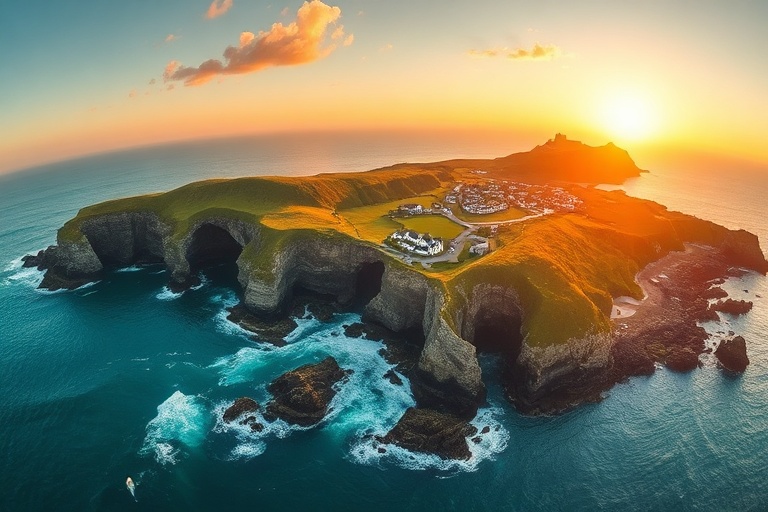
Cornwall’s geography is as dramatic as its history. The coastline, stretching over 400 miles, is a patchwork of golden beaches, jagged cliffs, and hidden coves. Land’s End, the most westerly point of England, serves as a symbolic gateway to the Atlantic, a reminder of Cornwall’s maritime heritage. The region’s tin and copper mines, once the engine of its economy, now stand as UNESCO World Heritage Sites, silent witnesses to an industrial past that shaped global trade.
Agriculture, too, has left its mark. Cornwall’s mild climate fosters lush pastures, supporting dairy farming that produces some of the UK’s most celebrated cheeses, like Cornish Yarg. The county’s culinary traditions, from pasties to clotted cream, are protected by food enthusiasts who insist on authenticity. Even the humble potato, introduced to Europe from the Americas, found a second home in Cornwall’s fertile soils, becoming a staple of the local diet.
Cornwall’s Global Reach: From Mining to Modernity
Cornwall’s influence extends far beyond its shores. During the 19th century, Cornish engineers and miners were in high demand across the world. They exported their expertise to Australia, South Africa, and the Americas, leaving an indelible mark on global mining. The Cornish diaspora, though scattered, maintains strong cultural ties, with festivals like St Piran’s Day celebrated by communities in Mexico, Argentina, and even California.
In the 20th century, Cornwall pivoted toward tourism, capitalizing on its natural beauty and laid-back charm. The Eden Project, an architectural marvel of biomes housing global plant species, became a symbol of sustainable innovation. Meanwhile, the travel industry here thrives on a paradox: offering both luxury retreats and rugged, untouched landscapes. This duality ensures Cornwall remains a year-round destination, from surfers riding the Atlantic swells to retirees seeking tranquility.
Art, Music, and the Cornish Renaissance
Cornwall has long been a magnet for artists and musicians. The Newlyn School, a late 19th-century art movement, captured the lives of local fishermen and coastal scenes, influencing British realism. Today, the Tate St Ives gallery stands as a testament to Cornwall’s enduring appeal to creatives, while the annual Boardmasters Festival blends surf culture with live music, drawing crowds from across Europe.
Music, too, has deep roots here. The Cornish folk tradition, with its haunting melodies and storytelling lyrics, has seen a revival thanks to bands like Fisherman’s Friends, who brought sea shanties to global audiences. The region’s Celtic heritage is celebrated in festivals like Golowan, where processions, fireworks, and traditional music fill the streets of Penzance every summer.
Challenges and the Future of Cornwall
Despite its charm, Cornwall faces modern challenges. The cost of living crisis has priced out many locals, while seasonal tourism threatens the sustainability of communities. Housing shortages and low wages in the service sector have sparked debates about economic inequality. Yet, Cornwall’s resilience is evident in grassroots movements advocating for fair wages and affordable housing, often tied to the revival of Cornish identity.
Environmental concerns also loom large. Rising sea levels threaten coastal communities, and the tourism industry grapples with balancing visitor numbers against ecological preservation. The Eden Project’s focus on sustainability is a step in the right direction, but broader systemic changes are needed to protect Cornwall’s fragile ecosystems.
A Region in Transition
Cornwall today is a study in contrasts. It is a place where ancient myths coexist with modern innovation, where industrial relics stand beside eco-friendly marvels. The county’s ability to reinvent itself while honoring its past is its greatest strength. Whether through the preservation of the Cornish language, the revival of traditional music, or the push for sustainable tourism, Cornwall continues to carve out a unique identity on the global stage.
For visitors, Cornwall offers more than just picturesque landscapes—it provides a glimpse into a culture that has shaped and been shaped by the world. For locals, it remains a home worth fighting for. As Cornwall navigates the complexities of the 21st century, one thing is certain: its story is far from over.