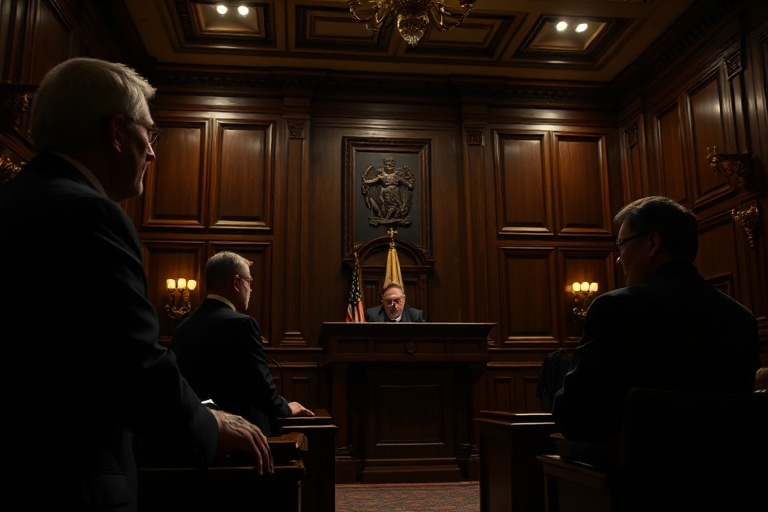
The grand jury proceedings involving former NFL player Darin Smith have taken an unexpected turn, with allegations of misconduct surfacing from multiple legal experts. Smith, who played as a defensive end for the Dallas Cowboys in the late 1990s, faces scrutiny not for his on-field performance but for the handling of his recent legal troubles. What began as a seemingly routine case has evolved into a broader discussion about procedural fairness in grand jury investigations.
At the heart of the controversy is a grand jury’s decision to indict Smith on charges related to an alleged altercation in 2022. Defense attorneys and legal analysts have pointed to several irregularities in how the grand jury was convened and presented with evidence. These concerns have raised questions about whether Smith received a fair hearing under the law.
Key Allegations of Misconduct in Darin Smith’s Case
The defense team for Darin Smith has outlined several specific concerns regarding the grand jury process. These allegations have become central to their argument that Smith’s constitutional rights may have been violated. Legal filings suggest the following issues:
- Lack of Witness Diversity: The grand jury heard from only a narrow selection of witnesses, with several key individuals—including potential exculpatory sources—excluded from testimony.
- Prosecutorial Overreach: Critics argue that the prosecution presented evidence in a one-sided manner, emphasizing inflammatory details while downplaying contradictory information.
- Juror Impartiality Concerns: One juror, who had publicly expressed strong opinions about the case prior to deliberations, allegedly influenced the group’s decision-making process.
- Evidence Suppression Issues: Defense attorneys claim that exculpatory video footage—showing Smith’s actions in a more favorable light—was withheld from the grand jury until after the indictment.
These allegations have drawn comparisons to other high-profile cases where grand jury misconduct has led to overturned indictments or acquittals. Legal scholars note that while grand juries operate with broad discretion, they are not immune to procedural errors that can undermine the integrity of their decisions.
Legal Precedents and the Role of Grand Juries in Criminal Cases
Grand juries have long been a cornerstone of the American justice system, designed to serve as a check against arbitrary prosecutions. However, their secrecy and lack of transparency have also made them a frequent subject of criticism. The Fifth Amendment to the U.S. Constitution guarantees that “no person shall be held to answer for a capital, or otherwise infamous crime, unless on a presentment or indictment of a Grand Jury.”
Yet, the grand jury’s role has evolved over time. While they were originally intended to protect citizens from overzealous prosecutions, modern grand juries often function as an extension of the prosecution’s office. This dynamic has led to concerns about imbalance in how evidence is presented. In Smith’s case, the exclusion of certain witnesses and evidence further amplifies these concerns.
Legal experts point to several landmark cases where grand jury misconduct played a decisive role in the outcome. For example, in the case of the Central Park Five, a grand jury indictment was later vacated after it was revealed that prosecutors withheld exculpatory DNA evidence. Similarly, in the case of Michael Brown in Ferguson, Missouri, the grand jury’s decision not to indict a police officer sparked national outrage, with critics alleging that the process was skewed in favor of law enforcement.
These examples underscore a critical tension in grand jury proceedings: the need for thorough investigation versus the risk of bias in how that investigation is conducted. Smith’s case has become yet another flashpoint in this ongoing debate.
The Impact on Darin Smith’s Legal Strategy and Public Perception
The allegations of grand jury misconduct have significantly altered Darin Smith’s legal strategy. His defense team has filed motions to dismiss the indictment, arguing that the procedural flaws were so severe that they violated Smith’s right to due process. If successful, this could set a precedent for how similar cases are handled in the future.
Public perception of the case has also shifted in response to these revelations. Smith, who has largely stayed out of the public eye since retiring from the NFL, has found an unexpected ally in civil rights advocates and legal reform groups. These organizations see his case as emblematic of broader systemic issues within the criminal justice system, particularly the lack of accountability for prosecutorial misconduct.
Meanwhile, Smith’s former teammates and colleagues in the sports world have largely remained silent on the matter. However, there are indications that some within the NFL community are quietly monitoring the case, recognizing that its outcome could have implications for how athletes are treated in legal disputes outside of their professional careers. For more on how legal issues intersect with sports, you can explore our Sports category.
Broader Implications for the Justice System and Reform Efforts
The controversies surrounding Darin Smith’s grand jury proceedings have reignited calls for reform in how grand juries operate. Advocacy groups and legal scholars have proposed several potential changes, including:
- Greater Transparency: Allowing limited public access to grand jury proceedings or at least providing clearer explanations for their decisions.
- Diverse Witness Selection: Implementing guidelines to ensure that grand juries hear from a balanced range of witnesses, including those who may provide exculpatory evidence.
- Prosecutorial Accountability: Establishing mechanisms to review and address instances where prosecutors may have overstepped their bounds in presenting evidence.
- Juror Education: Requiring comprehensive training for grand jurors on their roles and responsibilities, particularly regarding impartiality and evidence evaluation.
These reforms are not without their challenges. Critics argue that increasing transparency could undermine the grand jury’s traditional secrecy, potentially discouraging witnesses from coming forward. Others worry that stricter guidelines for witness selection could slow down the indictment process, creating further delays in the justice system.
Nevertheless, the conversation sparked by Smith’s case highlights a growing recognition that the grand jury system, as it currently exists, is in need of modernization. Legal experts suggest that even incremental changes could have a significant impact on restoring public trust in the process.
What’s Next for Darin Smith and the Grand Jury System?
As Darin Smith’s legal team prepares for upcoming hearings, the case continues to unfold in ways that could have lasting implications. The judge overseeing the matter has yet to rule on the defense’s motion to dismiss the indictment, leaving Smith’s future uncertain. Meanwhile, legal scholars and reform advocates are watching closely, hoping that the case will serve as a catalyst for meaningful change.
Regardless of the outcome, one thing is clear: the allegations of grand jury misconduct in Smith’s case have exposed deep-seated flaws in a system that has long operated behind closed doors. Whether these revelations lead to tangible reform remains to be seen, but they have undeniably shifted the conversation about justice and accountability in America.
For those interested in following the evolution of this case and its broader implications, staying informed through reputable legal and sports news sources will be essential. As always, the intersection of law, sports, and public perception will continue to shape the narrative in ways that are both unpredictable and consequential.