Ekstraklasa: Poland’s Premier League Rising in Europe
“`html
Ekstraklasa: Poland’s Premier Football League in a Global Context
Poland’s top-tier football division, the Ekstraklasa, is more than just a domestic competition. It represents a unique blend of raw talent, passionate fan culture, and rapid modernization in Central European football. While leagues like the English Premier League or Spain’s La Liga dominate global headlines, the Ekstraklasa quietly carves its niche—producing players who make an impact across Europe and beyond.
Founded in 1927 as the Liga Piłki Nożnej, the league has evolved through political upheavals, economic shifts, and changing football philosophies. Today, it stands as a testament to Poland’s footballing resilience. Clubs like Legia Warsaw, Lech Poznań, and Cracovia carry legacies that stretch back nearly a century, each narrating stories of triumph, survival, and community pride.
The Structure and Evolution of the Ekstraklasa
The Ekstraklasa operates as a classic promotion-relegation league, with 18 teams competing over 34 matchdays. Each season runs from July to May, aligning with the European football calendar. The league’s format is straightforward: teams face each other twice—once at home and once away—earning three points for a win and one for a draw. The bottom two teams are relegated to the I Liga, Poland’s second division.
Unlike some of Europe’s more glamorous leagues, the Ekstraklasa has traditionally been a stepping stone for players rather than a final destination. However, recent years have seen a shift. Financial reforms, increased TV revenue, and improved youth development have elevated the league’s standards. Clubs now invest more in infrastructure and player recruitment, aiming to retain top talent and attract emerging stars from Africa, South America, and the Balkans.
Notable recent changes include the introduction of the VAR system in 2022, which has improved refereeing accuracy but also sparked debate among fans. Additionally, the league has embraced digital innovation, with clubs expanding their social media presence and introducing mobile apps for live scores and fan engagement.
Cultural Significance: More Than Just a League
Football in Poland is deeply intertwined with national identity. During the communist era, clubs often symbolized local resistance and community spirit. Today, that legacy lives on in the form of fierce rivalries and ultra culture. Groups like Legia Warsaw’s “Terror” or Lech Poznań’s “Kocioł” are known for their choreographed displays, passionate chants, and unwavering support—elements that resonate with football cultures in Eastern and Southern Europe.
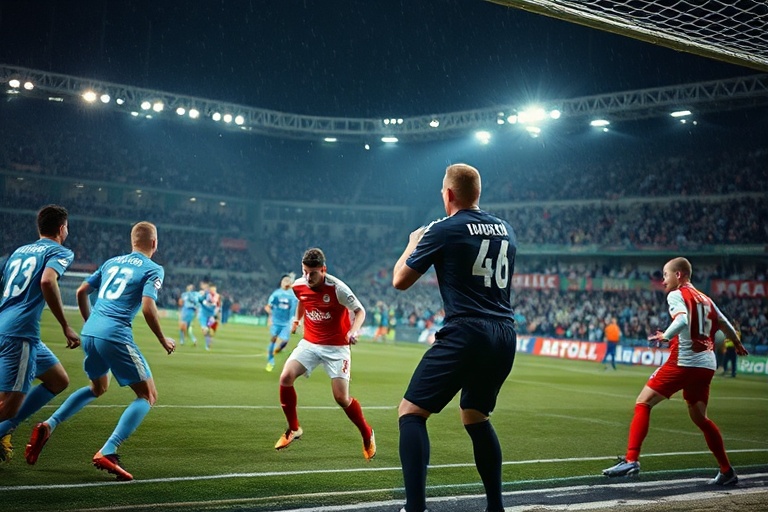
These fan groups are not merely spectators; they are the heartbeat of the Ekstraklasa. Their loyalty often outlasts managerial changes and poor results, creating an atmosphere that is both intimidating for visiting teams and thrilling for neutrals. The league’s stadiums, though not always full to capacity, buzz with energy, particularly in derbies like the Warsaw Derby (Legia vs. Polonia) or the Greater Poland Derby (Lech vs. Warta).
Football in Poland also reflects broader societal trends. The country’s post-communist transition saw many clubs privatized or restructured, leading to financial instability for some. Yet, the resilience of institutions like Cracovia—one of the oldest clubs in Poland—highlights how football can preserve tradition amid change. Meanwhile, newer clubs like Raków Częstochowa have risen rapidly, winning back-to-back titles in 2022 and 2023, symbolizing Poland’s evolving football landscape.
Global Connections: From Poland to the World
The Ekstraklasa has long served as a talent pipeline for European football. Players like Robert Lewandowski, who began his career at Lech Poznań before becoming a global superstar at Bayern Munich and Barcelona, exemplify the league’s potential. Other notable exports include Sławomir Peszko, who played in Scotland and Germany, and Kamil Glik, a key figure in France’s Ligue 1.
In recent years, the league has also become a destination for experienced foreign players looking to extend their careers. African and South American stars, in particular, have found a home in Poland, bringing technical flair and physicality to the league. Clubs like Piast Gliwice and Jagiellonia Białystok have benefited from this influx, adding diversity to their squads and improving their performances in European competitions.
The league’s global reach extends beyond the pitch. Broadcasting deals with Eleven Sports and DAZN have brought Ekstraklasa matches to audiences in the United States, Canada, and across Europe. Social media platforms amplify the league’s visibility, with viral moments—such as a last-minute winner or a dramatic upset—garnering attention worldwide. While the Ekstraklasa may never rival the Premier League in commercial terms, its growing international profile is undeniable.
Challenges and the Path Forward
Despite its progress, the Ekstraklasa faces challenges. Financial disparities between top clubs and smaller ones remain an issue. While Legia Warsaw and Lech Poznań dominate resources, teams from smaller cities often struggle to compete financially. This imbalance can lead to predictable title races and reduced competitiveness in European competitions like the UEFA Europa Conference League.
Another challenge is the league’s perception abroad. While it has made strides in improving its standard of play, it still lags behind Western European leagues in terms of tactical sophistication and infrastructure. However, initiatives like the Ekstraklasa Academy and partnerships with European clubs aim to close this gap by focusing on youth development and coaching education.
Looking ahead, the Ekstraklasa has the potential to become a stronger footballing force in Central Europe. By leveraging its rich fan culture, investing in youth, and continuing to attract international talent, the league could carve out a more prominent role on the continent. For now, it remains a compelling blend of tradition and progress—a league where history and modernity collide on the pitch every weekend.
For those interested in exploring football leagues beyond the usual European giants, the Ekstraklasa offers a refreshing alternative. It’s a league where underdogs can rise, derbies are electric, and the next Lewandowski might just be waiting for his breakthrough. Whether you’re a football purist or a global fan looking for something new, Poland’s top division delivers.
To dive deeper into football leagues around the world, visit our Sports category for more insights and analysis.
Key Takeaways
- The Ekstraklasa is Poland’s top football league, blending tradition with modernization.
- Fan culture and local identity play a central role in the league’s atmosphere.
- The league serves as a talent pipeline for players who go on to succeed in top European clubs.
- Challenges include financial disparities and the need to improve tactical standards.
- Global broadcasting and digital engagement are expanding the league’s reach.
As Polish football continues to evolve, the Ekstraklasa stands as a testament to the sport’s ability to unite communities, inspire generations, and produce stars who shine far beyond its borders.