Gorton School Lockdown: What Really Happened and Why It Matters
By Alex Rivera | Published
The Incident Unfolds
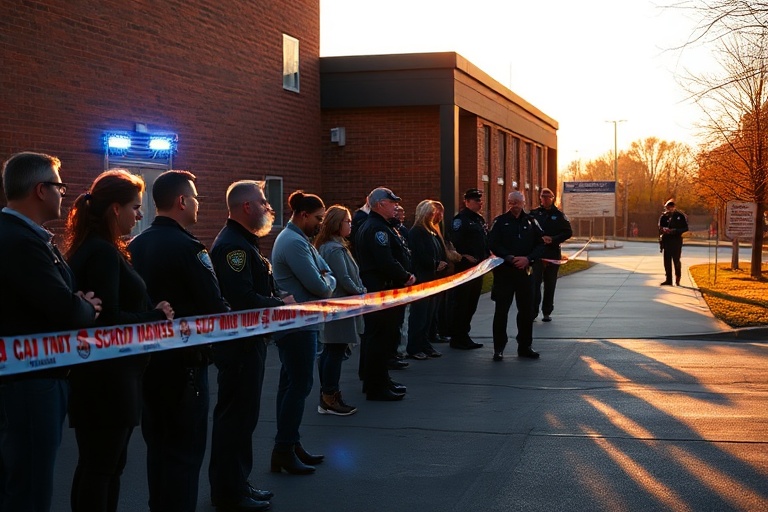
On the morning of May 17, 2024, Gorton High School in Yonkers, New York, entered a state of lockdown after reports of an armed individual near the campus. The school, home to approximately 1,200 students, responded within minutes. Teachers secured classrooms, students followed lockdown procedures, and local law enforcement arrived within eight minutes to secure the perimeter.
According to Yonkers Police Department reports, the lockdown lasted just over two hours. During that time, students remained in classrooms under the supervision of school staff. No injuries were reported, and no weapons were found on or near the school grounds. The initial alert was later determined to be a false alarm, though the exact source of the misinformation remains under investigation.
The incident raised immediate concerns about school safety protocols and the effectiveness of emergency responses in urban districts. It also highlighted the psychological impact on students and staff who experience such events, even when they end without violence.
School Safety in the 21st Century
School lockdowns have become an unfortunate reality for many American schools. Since the 2018 Parkland shooting, districts across the country have invested heavily in safety measures—metal detectors, surveillance cameras, armed resource officers, and active shooter drills. Gorton High School has implemented all of these, yet the May 17 lockdown demonstrates the limitations of even the most robust systems.
What makes this event notable is not the lockdown itself, but the response. Yonkers Public Schools has a safety plan that includes immediate communication with families via text alerts, social media updates, and direct calls to parents. Following the incident, the district confirmed that all communication channels functioned as intended, reducing panic and misinformation.
However, the psychological toll remains. Studies show that repeated lockdown drills and false alarms can lead to increased anxiety and stress among students, particularly in high-poverty areas where trauma is already prevalent. The Gorton incident serves as a reminder that safety measures must balance physical protection with mental health support.
Key Takeaways from the Gorton Lockdown
- Rapid response by local law enforcement prevented escalation.
- Clear communication from the school district minimized public confusion.
- Even false alarms reinforce the need for ongoing safety training.
- The incident underscores the importance of mental health resources post-lockdown.
Broader Implications for Urban Education
The Gorton lockdown is not an isolated event. Across New York City and its surrounding suburbs, school districts are reassessing their safety protocols in light of rising concerns about gun violence and mental health crises. In 2023 alone, New York City public schools experienced over 50 lockdowns, according to data from the NYC Department of Education.
Critics argue that the focus on physical security has overshadowed investments in counseling, social workers, and restorative justice programs. Advocates for school safety reform point out that many lockdowns stem from behavioral incidents rather than active threats, suggesting that a more holistic approach—one that includes de-escalation training and trauma-informed practices—could reduce false alarms and improve overall school climate.
Yonkers, a district with a diverse student body and significant socioeconomic challenges, faces unique pressures. Nearly 70% of students qualify for free or reduced lunch, and the district serves a large population of English language learners. These factors contribute to complex safety needs that go beyond traditional law enforcement solutions.
As policymakers and educators debate the best path forward, the Gorton lockdown becomes a case study in balancing immediate safety with long-term well-being. The challenge lies not in whether to secure schools, but in how to do so without creating environments that feel like prisons.
Lessons for Parents, Students, and Communities
For parents of students in Yonkers and similar districts, the Gorton lockdown raises important questions. How can families stay informed without becoming overwhelmed by alerts? What should they discuss with their children after such an event? Experts recommend open conversations that validate concerns while emphasizing the rarity of actual threats.
Students, too, play a role in their own safety. Many schools now include students in lockdown drills, teaching them how to respond without causing panic. The Gorton incident showed that drills, while necessary, must be accompanied by clear explanations about why they are conducted and what to expect.
Community involvement is another critical factor. Local organizations, religious groups, and neighborhood associations can serve as additional layers of support during emergencies. In Yonkers, community leaders have called for increased funding for after-school programs and mental health services as part of a broader safety strategy.
Ultimately, the Gorton lockdown is a snapshot of a larger national conversation. As schools across the country continue to grapple with safety, the lessons from Yonkers—rapid response, transparent communication, and a focus on student well-being—offer a roadmap for progress.
Conclusion
The May 17 lockdown at Gorton High School ended without violence, but it left behind important questions about safety, communication, and the emotional health of students. While physical security measures are essential, they must be paired with mental health support and community engagement to create truly safe learning environments.
As districts nationwide review their protocols in the wake of this incident, one thing is clear: there is no one-size-fits-all solution. Each community must tailor its approach to its unique needs and resources. For Gorton and Yonkers, the path forward may involve more training, better technology, and greater investment in student well-being.
In the end, the goal is not just to survive a lockdown, but to thrive beyond it.
Related Coverage
For more on school safety and emergency response, explore these related articles: