Hackney Half Marathon: Why It’s London’s Top Urban Race
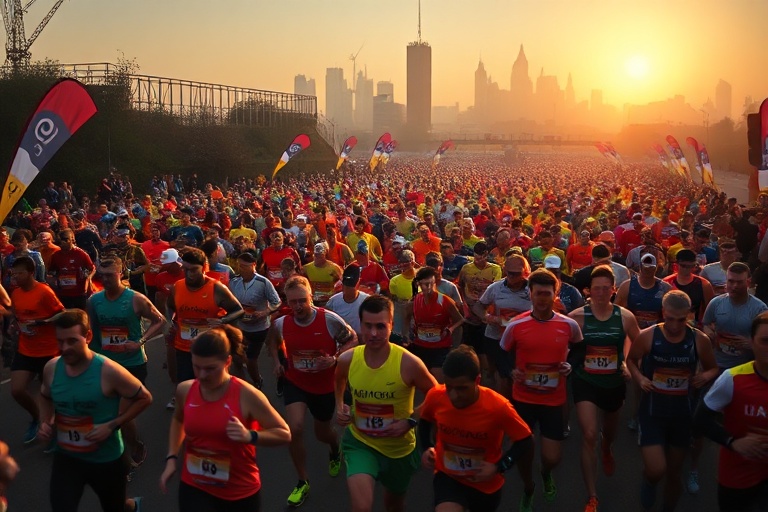
The Hackney Half Marathon has grown from a local race into one of London’s most anticipated annual running events. Since its inception in 2010, it has carved out a reputation for speed, accessibility, and urban energy. The race snakes through the heart of East London, offering runners a fast course, vibrant crowds, and a chance to compete against some of the UK’s top athletes.
What began as a modest community event now attracts over 20,000 participants and draws elite competitors from across Europe and beyond. Its status as the “fastest half marathon in London” isn’t just marketing—it’s backed by course records that continue to fall year after year. But the Hackney Half is more than just a race. It reflects broader trends in urban running culture, the democratization of road racing, and the evolving relationship between city life and athletic performance.
Why the Hackney Half Stands Out in London’s Racing Calendar
The Hackney Half’s appeal lies in how it blends elite competition with grassroots participation. Unlike larger city marathons, which often restrict entry due to high demand, the Hackney Half offers a high-quality race experience at a more accessible scale. The course itself is a key factor in its popularity.
Runners tackle a mostly flat, out-and-back route along closed roads, starting near London Fields and heading east toward Hackney Wick before turning back. The absence of sharp turns and sustained inclines makes it ideal for personal bests, while the urban backdrop—punctuated by street art, canals, and historic venues—keeps the experience visually dynamic.
The race also benefits from strong community engagement. Local schools, businesses, and charities play an active role in supporting runners and spectators. This creates a festival-like atmosphere that extends beyond the start and finish lines. It’s a model that contrasts with the more commercialized events elsewhere in London, where corporate sponsorships and elite-only fields can feel distant from everyday runners.
A Course Built for Speed—and Records
The flat, fast course has produced some of the most competitive times in UK road racing. Since 2018, the men’s winner has finished in under 62 minutes every year but one, and the women’s winner has dipped under 70 minutes multiple times. These performances put Hackney on par with classic European half marathons like Berlin and Copenhagen.
Elite fields are consistently strong, featuring athletes from Kenya, Ethiopia, and across Europe. The race has become a key stop on the UK’s racing circuit, offering qualifying opportunities for major events like the World Championships and Commonwealth Games. For many international runners, Hackney serves as a tune-up before bigger targets.
But the race’s speed isn’t just for pros. Recreational runners benefit too. With pacers available for a range of target times—from 1:20 to 2:30—the event supports goal-driven runners at every level. This inclusivity has helped it build a loyal following among first-timers and seasoned marathoners alike.
The Broader Impact: How Hackney Is Shaping Urban Running Culture
The Hackney Half is part of a broader shift in how cities engage with running. As urban populations grow and public spaces become more contested, events like this offer a way to reclaim streets for active, healthy use. East London’s transformation over the past two decades—from industrial decline to creative hub—mirrors the race’s own journey from community event to international draw.
Local government and organizers have leveraged the race to promote active lifestyles and sustainable transport. The event’s emphasis on car-free streets aligns with London’s wider push toward cleaner air and reduced congestion. Research shows that large-scale running events can temporarily reduce vehicle traffic in host boroughs, offering a glimpse of what car-free cities might look like.
Charity participation is another key dimension. Over 50% of runners raise money for causes ranging from cancer research to youth sports programs. The race has raised millions for charity since its launch, supporting organizations deeply embedded in Hackney’s communities. This philanthropic aspect strengthens the event’s social value beyond athletic achievement.
Accessibility and Inclusivity: Breaking Down Barriers
Unlike some high-profile races that price out casual participants, the Hackney Half offers entry fees that are competitive with other UK half marathons. Early-bird options and charity places help widen access. The event also prioritizes inclusivity through initiatives like wheelchair racing categories and a dedicated family-friendly 5K.
Its proximity to public transport—served by multiple Overground and Underground lines—makes it easier for runners from across London and beyond to attend without relying on cars. This accessibility supports the race’s goal of being a truly community-driven event.
What’s Next for the Hackney Half?
As the event continues to grow, organizers face new challenges. Balancing elite competition with grassroots participation requires careful planning. Expanding the field too much could dilute the race’s intimate feel, while limiting entries might exclude dedicated runners.
Sustainability is also a growing focus. Like many large events, the Hackney Half is exploring ways to reduce its carbon footprint, from minimizing single-use plastics to encouraging public transport use. These efforts reflect a broader trend in endurance sports, where environmental responsibility is becoming as important as race day logistics.
Looking ahead, the Hackney Half could further integrate technology to enhance the runner experience. From real-time crowd tracking to AI-powered pacing strategies, digital tools may soon play a bigger role in how participants prepare and perform. Yet, the race’s enduring strength lies in its authenticity—the sense that it belongs to the people who run it, not just the sponsors who fund it.
Key Takeaways from the Hackney Half Marathon
- Speed and Accessibility: The flat, fast course makes it one of London’s best venues for personal bests, while entry fees remain affordable compared to larger city races.
- Community-Driven: Strong local engagement and charity fundraising set it apart from more commercialized events.
- Elite Competition: Regularly features top Kenyan and European runners, offering a high-level racing experience in an urban setting.
- Urban Impact: Models how city races can promote active lifestyles, reduce traffic, and support local causes.
- Inclusivity: Caters to all levels, from first-timers to experienced marathoners, with pacers and wheelchair categories.
For runners seeking a fast, fun, and socially conscious race, the Hackney Half delivers. It’s a testament to how a single event can shape a community, elevate a sport, and redefine what urban racing can be.
As London’s running scene continues to evolve, events like this remind us that the best races aren’t just about the finish line—they’re about the streets, the people, and the shared energy that makes them possible.
Related Reading
Explore more about endurance sports and urban culture: