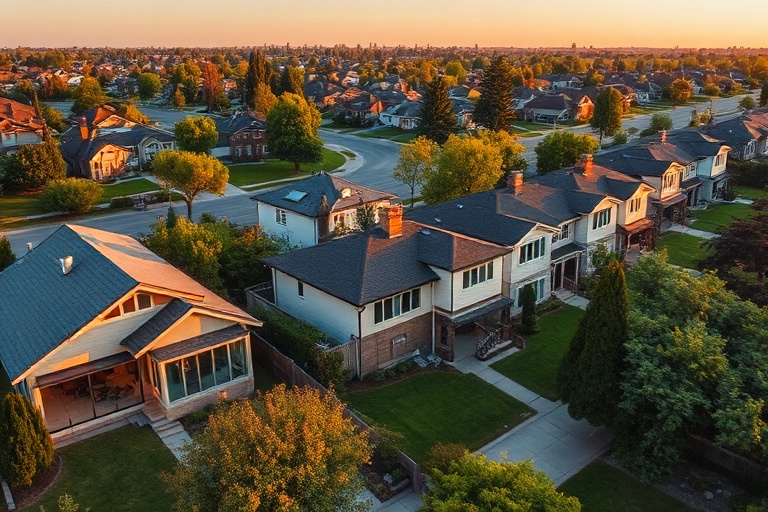
houses
Houses have always occupied a special place in human civilization. They are far more than mere structures; they are repositories of memories, symbols of stability, and expressions of individuality. From modest cottages to towering urban apartments, the concept of home has evolved alongside human society, adapting to cultural shifts, economic realities, and technological advancements.
What makes a house more than just four walls and a roof? The answer lies in the intricate relationship between architecture, psychology, and social identity. A house is a canvas where personal stories unfold, where families grow, and where daily life finds its rhythm. It is a physical manifestation of comfort, security, and belonging in an increasingly transient world.
The Evolution of Housing: From Necessity to Identity
The history of housing is a testament to human ingenuity and adaptability. In ancient times, dwellings were simple structures built from available materials—mud bricks, wood, and stone. These early homes served a basic need: protection from the elements. Over time, however, housing began to reflect more than just functional requirements. The Roman domus, with its atriums and frescoes, demonstrated how architecture could signify wealth and status. Similarly, the medieval manor house became a symbol of feudal power.
By the 20th century, housing had transformed into a medium for artistic expression. Architects like Frank Lloyd Wright pioneered designs that blended seamlessly with their natural surroundings, while the Bauhaus movement emphasized functionality and minimalism. Today, houses are often designed with sustainability in mind, incorporating energy-efficient materials and smart home technologies. Yet, despite these advancements, the core purpose remains unchanged: to provide a sanctuary for those who dwell within.
For those interested in exploring the intersection of design and living spaces, Dave’s Locker’s Design category offers a curated selection of articles on architectural trends and interior inspirations.
The Psychological Impact of Home
Psychologists have long studied the relationship between physical spaces and mental well-being. A house is not just a shelter; it is a psychological anchor. Studies have shown that people who feel a strong connection to their homes experience lower stress levels and greater overall happiness. The layout, lighting, and even the color of the walls can influence mood and productivity. For instance, natural light is known to boost serotonin levels, while cluttered spaces can exacerbate anxiety.
Moreover, the concept of “home” extends beyond the physical structure. It encompasses the neighborhood, the community, and the sense of belonging that comes from being part of a larger social fabric. A house in a bustling city may offer convenience and cultural opportunities, while a rural home might provide peace and a connection to nature. The choice between urban and suburban living often reflects personal values and lifestyle preferences.
Another critical aspect is the role of personalization. A house becomes a home when it reflects the personality of its inhabitants. Photographs, artwork, and even the arrangement of furniture tell a story about who lives there. This process of making a house feel like “home” is deeply human, a way of staking a claim in the world and creating a space that feels uniquely yours.
Types of Houses: A Global Perspective
The diversity of housing around the world is a reflection of geography, culture, and economic conditions. Each type of house tells a story about the people who built it and the environment they inhabited. Here are some of the most notable styles:
- Cottages: Often associated with rural areas, cottages are typically small, cozy homes built from local materials. They evoke a sense of simplicity and charm, often featuring steep roofs to shed snow and thatched roofs for insulation.
- Townhouses: Common in urban settings, townhouses are narrow, multi-floor homes that share walls with adjacent properties. They offer a balance between space and location, making them popular in cities where land is at a premium.
- Bungalows: Originating in India, bungalows are single-story homes with wide verandas. They became popular in the West during the late 19th century, symbolizing leisure and comfort.
- Skyscrapers: In densely populated cities like New York and Tokyo, skyscrapers redefine the concept of housing. These towering structures house thousands of residents in compact, efficient units, often with shared amenities like gyms and rooftop gardens.
- Yurts: Used by nomadic cultures in Central Asia, yurts are circular, portable dwellings made from a wooden frame and covered with felt or canvas. They are designed to be easily dismantled and transported, reflecting the mobile lifestyle of their inhabitants.
The Business of Housing: An Economic Powerhouse
The housing market is one of the most significant sectors of the global economy. It drives employment, influences financial markets, and shapes urban development. Homeownership, in particular, has long been considered a cornerstone of financial stability. For many, a house is not just a place to live but also an investment—a way to build wealth over time.
However, the housing market is not without its challenges. Affordability remains a pressing issue in many parts of the world. Rising property prices, coupled with stagnant wages, have made homeownership increasingly unattainable for younger generations. In response, innovative solutions have emerged, such as co-housing communities and tiny homes, which prioritize sustainability and affordability.
Renting has also become a viable alternative for many, particularly in cities where property prices are prohibitively high. The rise of short-term rental platforms like Airbnb has further transformed the housing landscape, blurring the lines between residential and commercial real estate. This shift has sparked debates about the impact on local housing markets and community dynamics.
For those looking to navigate the complexities of the housing market, Dave’s Locker’s Business category provides insights into economic trends and investment strategies.
The Future of Housing: Trends and Innovations
As we look to the future, the housing industry is poised for significant transformation. Several trends are reshaping the way we think about homes:
- Sustainability: With growing awareness of climate change, sustainable housing has become a priority. Features like solar panels, rainwater harvesting systems, and green roofs are becoming standard in new constructions. Additionally, the use of recycled and eco-friendly materials is gaining traction.
- Smart Homes: Technology is revolutionizing the way we interact with our living spaces. Smart homes equipped with IoT devices, automated lighting, and voice-controlled assistants offer convenience and energy efficiency. These innovations not only enhance comfort but also contribute to long-term cost savings.
- Modular and Prefabricated Homes: To address housing shortages and affordability issues, modular homes are gaining popularity. These homes are built off-site and assembled on location, reducing construction time and costs. They also offer flexibility, allowing homeowners to expand or modify their homes as needed.
- Community Living: The rise of co-housing and communal living spaces reflects a desire for stronger social connections. These communities often feature shared amenities like gardens, kitchens, and recreational areas, fostering a sense of camaraderie and mutual support.
Another emerging trend is the repurposing of existing structures. Abandoned warehouses, churches, and even shipping containers are being transformed into residential spaces. This adaptive reuse not only preserves historic architecture but also promotes sustainable development by reducing waste and carbon footprints.
The Cultural Significance of Houses
Houses are deeply embedded in cultural narratives, often serving as symbols in literature, film, and folklore. They represent safety and sanctuary but also isolation and confinement. For example, the haunted house is a staple in horror stories, embodying our fears of the unknown. Conversely, the idea of a “dream home” is a powerful motivator, driving people to save, invest, and dream.
In many cultures, the act of building or buying a house is a rite of passage. It signifies adulthood, responsibility, and the establishment of one’s own family. In some traditions, homes are blessed or ritually purified to ward off evil spirits and invite good fortune. These practices highlight the spiritual and symbolic dimensions of housing that go beyond its physical attributes.
Architectural styles also carry cultural meanings. The Victorian house, with its ornate details and steep gables, reflects the opulence of the Industrial Revolution. Mid-century modern homes, with their clean lines and open floor plans, embody the optimism and innovation of post-war America. Even today, the choice of architectural style can be a form of cultural expression, signaling personal values and affiliations.
Ultimately, houses are more than just physical structures—they are repositories of human experience. They hold the laughter of children, the warmth of family gatherings, and the quiet moments of reflection. In a world that often feels transient and uncertain, a house remains a constant, a place where life unfolds in all its complexity and beauty.
Conclusion: Why Houses Matter
Houses are the building blocks of communities, the foundations of families, and the backdrops of our lives. They are where we grow, love, and dream. Whether it’s a tiny apartment in Tokyo, a thatched cottage in the English countryside, or a sleek high-rise in Dubai, each house tells a story. It is a story of human resilience, creativity, and the unyielding desire to create a place called home.
As we move forward, the definition of home will continue to evolve. New technologies, economic pressures, and cultural shifts will redefine what it means to have a roof over one’s head. Yet, the fundamental human need for shelter, security, and belonging will remain unchanged. Houses, in all their forms, will continue to be the silent witnesses to the passage of time, the keepers of memories, and the anchors of our lives.