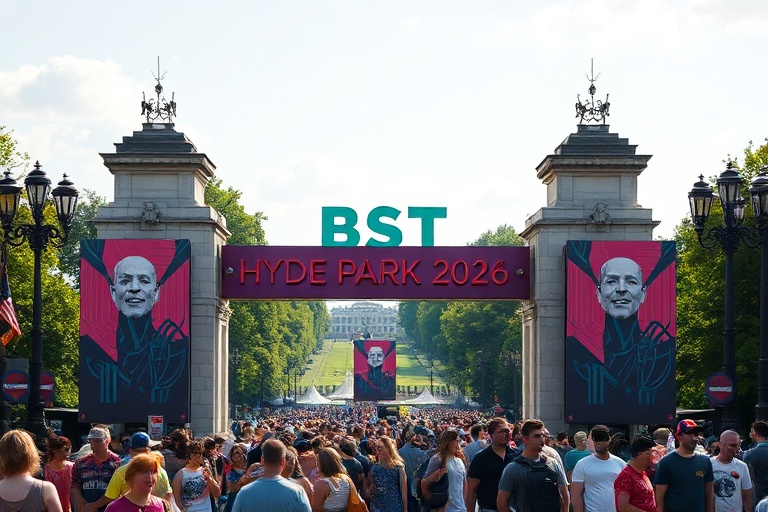
Hyde Park has long been more than just a green space in the heart of London—it’s a stage where cultural history is written. From The Rolling Stones to Adele, this iconic venue has hosted performances that define generations. As preparations begin for the 2026 season, speculation is already mounting about what this next chapter could look like. Will it be another year of genre-defining headliners? Or will it push boundaries in ways we haven’t seen before?
The festival landscape in 2026 is evolving rapidly, shaped by technological innovation, shifting audience expectations, and a growing demand for sustainability. Hyde Park, with its deep roots in live music culture, stands at a fascinating intersection of tradition and transformation. This isn’t just about booking A-list acts—it’s about redefining what a major outdoor festival can be in a post-pandemic world where experiences are increasingly curated for global audiences.
The Evolution of Hyde Park as a Global Music Destination
Hyde Park Concerts, as the event is officially known, has grown from a series of one-off performances into a marquee fixture on the international music calendar. Its origins trace back to 1968, when Pink Floyd and Jethro Tull drew 12,000 people to the park’s open-air setting. Today, attendance regularly exceeds 70,000 per night, with millions more watching live streams across continents.
What makes Hyde Park unique isn’t just its scale or its central London location—it’s the way it blends high art with accessibility. Unlike festivals that require multi-day camping commitments, Hyde Park offers an urban oasis where music lovers can drop in for an evening. This accessibility has made it a model for other cities aiming to bring festival culture into public spaces.
In 2026, organizers face a challenge: how to maintain that sense of intimacy and spontaneity while accommodating a global audience. The rise of virtual reality and augmented reality experiences could allow fans who can’t attend in person to feel immersed in the spectacle. Meanwhile, AI-driven personalization might curate setlists based on individual listening habits, creating a more tailored experience even in a shared space.
A Cultural Barometer: What Hyde Park 2026 Could Tell Us About Music in the 2020s
Music festivals are more than entertainment—they’re cultural thermometers. They reflect societal shifts, generational values, and technological progress. Hyde Park 2026 will be no exception. As climate concerns intensify, the festival’s environmental policies—from waste reduction to energy sourcing—will be scrutinized. Expect to see more vegan food options, reusable infrastructure, and carbon offset initiatives being standard rather than optional.
The lineup itself will also speak volumes. Will 2026 see a resurgence of rock and indie bands following a decade dominated by pop and hip-hop? Or will electronic and experimental acts continue to push the boundaries of live performance? The festival’s curatorial choices could signal broader trends in how younger audiences engage with music.
Another layer of cultural significance comes from the festival’s role in promoting diversity. Hyde Park has historically leaned toward mainstream acts, but recent years have seen a push for more representation across genres, genders, and cultural backgrounds. The 2026 edition could be pivotal in solidifying this shift, with organizers likely to prioritize inclusivity in both performers and audiences.
Behind the Scenes: The Logistics of a Mega-Event
Pulling off a festival of Hyde Park’s scale requires a small army of planners, technicians, and local authorities. Security, transportation, and sustainability are just the starting points. In 2026, new challenges will emerge, particularly around digital infrastructure. With 5G networks expanding and IoT devices becoming ubiquitous, the festival will need robust systems to handle everything from cashless payments to emergency response coordination.
One area seeing rapid innovation is crowd management. AI-powered crowd flow analysis can now predict bottlenecks in real time, allowing organizers to adjust entry points or stage placements dynamically. This isn’t just about convenience—it’s about safety in an era where large gatherings face heightened scrutiny.
Transportation is another critical factor. Hyde Park’s central location makes it a magnet for London’s public transit, but overcrowding on the Tube and buses during festival weekends has become a recurring issue. In response, organizers are exploring partnerships with ride-sharing apps and even water-based transport via the Serpentine Lake to ease pressure on the underground system.
Lessons from Recent Festivals: What Works and What Doesn’t
Looking at recent editions of Hyde Park Concerts and comparable events offers clues about what to expect in 2026. The 2023 lineup, headlined by Elton John’s farewell performance, drew massive crowds but also faced criticism for high ticket prices and limited accessibility for younger fans. The 2024 festival, headlined by Dua Lipa and The 1975, leaned into pop and indie, reflecting current trends but leaving some rock purists disappointed.
One success story has been the integration of local artists into the programming. The introduction of the “Emerging Talent” stage in 2022 gave UK-based acts a platform to reach international audiences. This initiative not only supports grassroots music scenes but also diversifies the festival’s appeal beyond global superstars.
Another trend gaining traction is the “hybrid festival” model, where a portion of the lineup is streamed live to digital audiences. While this approach has its critics—who argue it dilutes the exclusivity of a live event—it also democratizes access for fans unable to travel. In 2026, expect to see hybrid elements become more sophisticated, with interactive features like real-time fan polls or behind-the-scenes content enhancing the remote experience.
Why Hyde Park 2026 Matters Beyond the Music
Hyde Park Concerts has always been more than a music festival—it’s a social phenomenon. In 2026, its role in shaping urban culture will only grow. The festival’s ability to draw diverse crowds into one of London’s most iconic public spaces makes it a powerful tool for social cohesion. It’s a rare occasion where people from different backgrounds, ages, and neighborhoods come together under a shared experience.
Economically, the festival is a boon for London’s hospitality sector. Hotels, restaurants, and local businesses see a significant boost in revenue during festival weekends. In 2026, organizers are expected to deepen these partnerships, creating more localized economic benefits through pop-up markets, artist collaborations with local chefs, and artist-led workshops in nearby venues.
But the festival’s impact extends beyond economics and culture—it’s also a statement about the future of public space. In a city where green areas are increasingly under pressure from development, Hyde Park’s role as a cultural hub reinforces the importance of preserving and repurposing public land for communal use. The 2026 edition could set a precedent for how cities balance commercial interests with the need for accessible, inclusive spaces.
What Fans Can Expect in 2026
While the full lineup won’t be announced until late 2025, several trends suggest what fans might look forward to. First, expect a stronger emphasis on immersive experiences. From holographic performances to interactive art installations, the festival could push the boundaries of what a live music event looks like. Second, sustainability will be front and center. Organizers have committed to making 2026 the “greenest Hyde Park yet,” with goals like zero waste and 100% renewable energy for onsite power.
Third, the festival’s timing might evolve. Traditionally held in July, there’s talk of extending the season into early September to avoid peak summer heat and allow for more experimental programming. This shift could attract a different audience demographic, including families and older attendees who prefer milder weather.
Finally, expect a stronger digital footprint. The festival’s official app is likely to become even more integral, offering features like augmented reality navigation, real-time artist chats, and exclusive merchandise drops. Social media integration will also play a key role, with organizers leveraging platforms like TikTok to engage younger fans through challenges, behind-the-scenes content, and interactive filters.
For those planning to attend, preparation will be key. Ticket prices are expected to rise, reflecting both demand and increased production costs. Early-bird deals and bundled packages with local accommodations could help offset some of these expenses. And with public transit likely to remain the primary mode of transport, arriving early or using pre-booked shuttle services will be essential to avoid delays.
In the end, Hyde Park 2026 is shaping up to be more than just another music festival. It’s a cultural milestone, a test of innovation, and a reflection of the times we live in. Whether it’s the music, the atmosphere, or the sheer spectacle that draws you, one thing is certain: this will be an event that resonates far beyond the boundaries of the park.
For more on the history of outdoor music festivals and their cultural impact, visit our Music category. To explore how technology is changing live events, check out our Technology section.