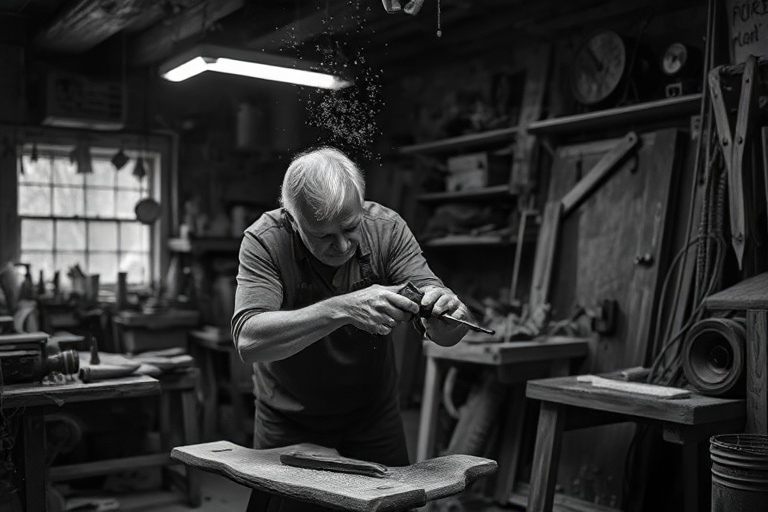
John Crimber’s Craftsmanship Legacy: Quality That Lasts Generations
In an industry often defined by loud innovations and rapid technological adoption, John Crimber stands out as a figure of deliberate precision. His work doesn’t scream for attention; it commands respect through meticulous execution and an unwavering commitment to quality. While many artisans and craftsmen have come and gone, Crimber’s influence persists because his methods prioritize longevity over trends.
Though not a household name outside specialized circles, Crimber’s contributions to woodworking, furniture design, and sustainable craftsmanship have quietly cemented his legacy. His approach challenges the disposable nature of modern manufacturing, proving that durability and artistry can coexist without compromise. To understand his impact, it’s essential to examine not just his creations but the philosophy behind them.
The Craftsmanship Philosophy: Lessons from John Crimber
Crimber’s work is rooted in a philosophy that rejects the throwaway culture dominating many industries today. For him, craftsmanship isn’t merely about aesthetics; it’s about intention. Every cut, joint, and finish serves a purpose, ensuring that the final product transcends its functional role to become something timeless. This mindset aligns closely with the arts and culture movement that values handmade authenticity over mass production.
His methods emphasize three core principles:
- Material Integrity: Crimber insists on using only the finest, sustainably sourced woods, often partnering with local mills to reduce environmental impact. His pieces are designed to age gracefully, developing character over decades rather than deteriorating with time.
- Structural Soundness: Unlike furniture made for quick assembly and even quicker disposal, Crimber’s designs prioritize joinery techniques that ensure stability for generations. Dovetail joints, mortise-and-tenon connections, and hand-cut finishes are staples in his work.
- Purposeful Design: Every element of his furniture serves a clear function. Ornamentation is secondary to usability, reflecting a belief that true craftsmanship should enhance daily life rather than merely adorn it.
These principles aren’t just theoretical; they’re evident in every piece he produces. Whether it’s a dining table meant to host generations of family meals or a bookshelf designed to hold not just books but memories, Crimber’s work embodies a quiet rebellion against the disposable culture that defines so much of modern life.
Breaking Down Crimber’s Most Influential Works
While Crimber has created countless pieces over his decades-long career, a few stand out as milestones in his journey and the broader world of craftsmanship. These works aren’t just furniture; they’re statements about what it means to create something meant to last.
- The Heritage Dining Table: Perhaps his most iconic piece, this table combines American black walnut with hand-forged steel legs. Its design is deceptively simple, but the attention to detail—from the precisely aligned grain patterns to the seamless integration of the steel—demonstrates Crimber’s mastery. This table isn’t just a surface for meals; it’s a centerpiece for gatherings, conversations, and traditions.
- The Modular Bookshelf System: Unlike traditional bookshelves, Crimber’s modular system is designed to adapt to changing needs. The pieces can be rearranged, expanded, or repurposed without losing structural integrity. This reflects his belief in furniture that grows alongside its owners rather than becoming obsolete.
- The Workbench Series: Crimber’s workbenches are revered among woodworkers for their unparalleled stability and craftsmanship. Built from quarter-sawn white oak, these benches are heavy enough to resist movement but light enough to be maneuvered. They’re functional art, serving as both tools and testaments to Crimber’s skill.
What ties these pieces together is Crimber’s refusal to prioritize style over substance. In an era where furniture is often designed to be replaced within a few years, his work challenges consumers to reconsider their relationship with the objects around them. These aren’t just items to fill a room; they’re investments in a lifestyle that values quality, history, and intentionality.
Beyond Furniture: Crimber’s Broader Impact on Craftsmanship
Crimber’s influence extends beyond his own workshop. He has become a mentor to a new generation of craftsmen, hosting workshops and writing extensively about his techniques. His teachings emphasize not just the “how” of woodworking but the “why”—a philosophy that resonates deeply in a world where shortcuts are often celebrated. Through these efforts, he’s helping to preserve traditional craftsmanship in an age where automation and mass production dominate.
His impact is also evident in the resurgence of interest in handmade goods. Consumers, particularly younger generations, are increasingly seeking out products with stories behind them. They want to know who made their furniture, where the materials came from, and what values guided its creation. Crimber’s work aligns perfectly with this movement, offering a counterpoint to the anonymity of factory-produced goods. For those interested in this broader trend, the trending section of Dave’s Locker often highlights similar artisans and movements.
Moreover, Crimber’s commitment to sustainability has positioned him as a thought leader in eco-conscious craftsmanship. By sourcing materials locally and employing techniques that minimize waste, he demonstrates that luxury and responsibility can go hand in hand. This approach has earned him accolades from environmental advocates and fellow craftsmen alike, further solidifying his role as a bridge between tradition and modernity.
The Future of Craftsmanship: What Crimber’s Legacy Teaches Us
John Crimber’s career offers more than just a glimpse into the world of high-end woodworking; it provides a blueprint for how craftsmanship can thrive in the 21st century. His success underscores a growing demand for authenticity, durability, and intentionality—values that are increasingly scarce in a world dominated by convenience and disposability. As consumers become more discerning, figures like Crimber remind us that true quality is timeless.
His legacy also highlights the importance of mentorship and community in preserving craftsmanship. By sharing his knowledge through workshops and writings, Crimber ensures that his techniques won’t disappear with his generation. This passing of wisdom is crucial in an era where many traditional skills are at risk of being lost to time.
Looking ahead, the principles Crimber embodies—material integrity, structural soundness, and purposeful design—could serve as a model for other industries. From textiles to technology, the demand for products with soul and substance is growing. Crimber’s work proves that craftsmanship isn’t just about creating objects; it’s about creating connections—between maker and user, between past and future, and between humanity and the materials we shape.
In a world that often prioritizes speed over substance, John Crimber’s quiet revolution serves as a reminder: the best creations aren’t those that demand attention, but those that earn it through their enduring presence.
What do you think about the resurgence of handcrafted goods? Share your thoughts in the comments.