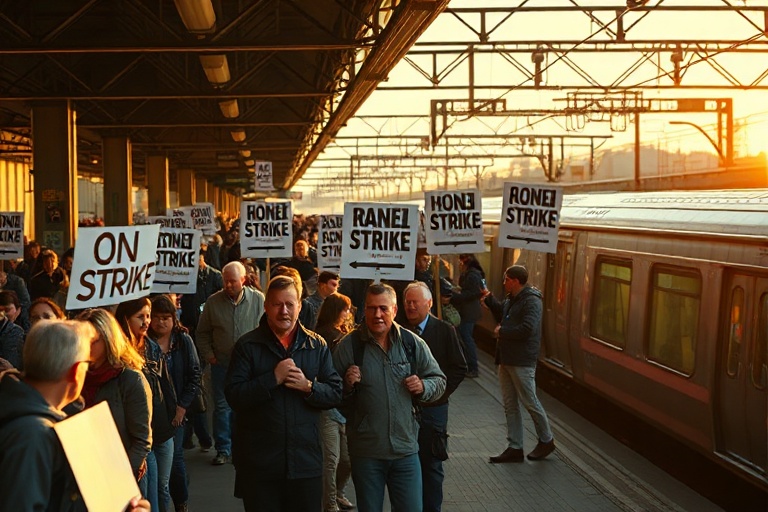
Long Island Railroad Strike Exposes Transit Tensions
“`html
Long Island Railroad Strike Exposes Transit Tensions
The recent strike by Long Island Railroad (LIRR) workers has sent ripples through New York’s transit system, revealing deeper issues in labor relations and infrastructure funding. As trains ground to a halt, commuters faced the immediate consequences of the walkout, while policymakers scrambled to address the underlying causes. This labor action is not just about wages or benefits—it highlights systemic challenges that could reshape how public transit is managed in one of America’s busiest regions.
The Strike’s Immediate Impact on Commuters
For five days, the LIRR strike disrupted the daily lives of nearly 300,000 daily riders. The absence of train service forced commuters to seek alternative routes, often adding hours to their journeys. Carpooling, rideshares, and even bicycles became temporary solutions for those who couldn’t work remotely. The economic toll was significant, with businesses in Long Island and New York City reporting losses due to delayed or absent employees.
Schools and healthcare facilities also felt the strain. Parents struggled to arrange childcare, while medical professionals faced delays in reaching hospitals. The strike underscored how deeply the LIRR is woven into the fabric of the region’s daily operations. Even after tentative agreements were reached, the damage to public trust lingered, leaving many to question the reliability of the system moving forward.
Root Causes: Contract Disputes and Systemic Issues
The strike stemmed from stalled contract negotiations between the LIRR’s unions and the Metropolitan Transportation Authority (MTA). Key sticking points included wage increases, healthcare costs, and pension contributions. Unions argued that workers deserved fair compensation after years of stagnant pay, while the MTA cited financial constraints tied to declining ridership and funding shortfalls.
Beyond the immediate contract disputes, the strike revealed broader systemic issues. The LIRR, like many aging transit systems, faces chronic underinvestment in infrastructure. Delays, overcrowding, and reliability problems have plagued the railroad for years, eroding public confidence. The strike served as a wake-up call, forcing officials to confront the need for long-term solutions rather than short-term fixes.
Key Factors Behind the Strike
- Wage Stagnation: Workers sought pay increases to match inflation and rising living costs.
- Healthcare Costs: Unions pushed back against rising premiums and deductibles.
- Pension Concerns: Employees feared losing benefits amid MTA budget pressures.
- Infrastructure Neglect: Years of deferred maintenance worsened service reliability.
- Political Gridlock: Disputes between unions, the MTA, and state officials delayed resolutions.
The strike’s resolution included a mix of wage adjustments and concessions, but the underlying issues remain unresolved. Without sustained investment in the LIRR’s aging tracks, signals, and stations, similar conflicts could erupt in the future.
Broader Implications for Public Transit in New York
The LIRR strike is a microcosm of the challenges facing public transit nationwide. Aging infrastructure, labor disputes, and funding gaps are common threads in cities from Chicago to Boston. The strike highlighted the fragility of transit systems that millions rely on daily, prompting calls for systemic reform.
One potential outcome is increased state funding for the MTA. Governor Kathy Hochul has signaled support for additional resources, but the political will to enact lasting change remains uncertain. Another possibility is greater collaboration between labor and management to avoid future strikes. However, trust between the two sides is at an all-time low, making compromise difficult.
The strike also raised questions about the future of commuting. With remote work becoming more prevalent, ridership patterns have shifted, leaving transit agencies grappling with revenue shortfalls. The LIRR strike forced a reckoning: how can systems adapt to changing commuter habits while maintaining service quality?
Lessons for the Future of Labor and Transit
The LIRR strike offers several lessons for labor leaders, transit officials, and policymakers. First, it demonstrated the power of collective action. Despite the inconvenience, the strike forced concessions that might not have been achieved otherwise. For unions, the victory reinforced the importance of solidarity in contract negotiations.
For transit agencies, the strike was a stark reminder of the need for transparency and accountability. The MTA’s financial struggles are well-documented, but the strike exposed a disconnect between budgetary constraints and worker expectations. Moving forward, agencies must prioritize clear communication to prevent future conflicts.
Finally, the strike underscored the critical role of public transit in economic and social equity. The LIRR serves a diverse population, from low-income workers to essential healthcare professionals. Its reliability directly impacts livelihoods, making labor disputes more than just contractual disagreements—they are fights for fairness.
Steps Toward a More Stable Future
- Invest in Infrastructure: Prioritize repairs and upgrades to prevent service disruptions.
- Reform Labor Relations: Establish long-term contracts to avoid repeated strikes.
- Enhance Funding Models: Explore new revenue streams, such as congestion pricing or public-private partnerships.
- Improve Communication: Foster transparency between unions, agencies, and commuters.
- Adapt to Changing Habits: Adjust service models to accommodate remote work and flexible schedules.
The LIRR strike may have ended, but its repercussions will linger. For commuters, the experience was a reminder of the fragility of public transit. For policymakers, it was a call to action. And for labor leaders, it was a testament to the power of unity. The challenge now is to turn these lessons into lasting change—before the next crisis strikes.
For more insights into labor issues and transportation trends, explore our News and Analysis sections. Understanding these dynamics is key to navigating the complexities of modern transit systems.