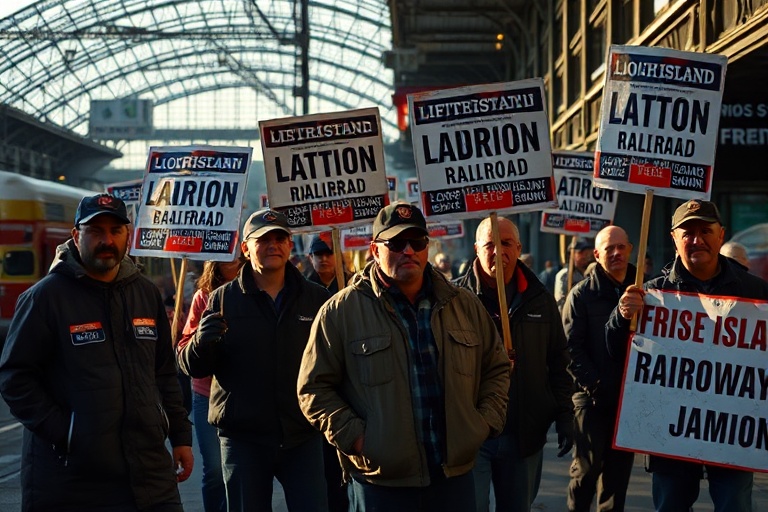
The recent strike by workers of the Long Island Railroad (LIRR) has sent ripples through New York’s transit network, but its implications stretch far beyond the state’s borders. As commuters faced canceled trains and disrupted schedules, the conflict highlighted deeper issues in public transportation systems worldwide. From labor disputes in Europe to infrastructure challenges in Asia, transit strikes have become a recurring theme in urban centers grappling with modernization and workforce demands.
New York’s public transit system is one of the busiest in the world, serving over 3 million daily riders. The LIRR, operated by the Metropolitan Transportation Authority (MTA), is no exception. Yet the strike underscored a critical tension: the need for reliable service versus fair labor conditions. With negotiations stalling, the walkout exposed vulnerabilities in a system that millions depend on for work, education, and daily life.
The Causes Behind the Long Island Railroad Strike
The strike erupted after negotiations between the MTA and the employees’ union, the Long Island Railroad Workers Union (LIRRWU), collapsed. The primary sticking points were wages, benefits, and working conditions. Workers argued that stagnant pay and rising living costs in the New York metro area made it difficult to sustain their livelihoods. Meanwhile, the MTA cited budget constraints and the need to balance affordability for commuters.
This isn’t an isolated issue. Globally, transit workers have increasingly taken to the streets to demand better conditions. In Europe, strikes in France and Germany have paralyzed rail networks, while in Asia, cities like Tokyo and Hong Kong face similar labor disputes. The common thread? A workforce that feels undervalued despite the critical role they play in keeping economies moving.
In the case of the LIRR, the strike also revealed operational bottlenecks. The railroad, which dates back to the 19th century, relies on an aging infrastructure that requires constant maintenance. Workers argued that understaffing and unrealistic schedules were pushing an already stretched system to its limits. The MTA countered that funding constraints prevented immediate upgrades, creating a stalemate that ultimately led to the strike.
Global Transit Strikes: A Pattern of Disruption
While the LIRR strike is localized, it reflects a broader trend. Transit strikes have become more frequent in recent years as urban populations grow and infrastructure struggles to keep pace. In the United Kingdom, strikes by rail workers have become almost routine, with unions citing pay disputes and job security fears. Similarly, in India, metro workers in cities like Delhi and Mumbai have staged protests over wage delays and unsafe working conditions.
These conflicts often stem from the same root causes:
- Wage stagnation: Despite rising inflation, many transit workers’ salaries have failed to keep up with the cost of living.
- Job insecurity: Automation and outsourcing threaten traditional roles, leaving workers anxious about their futures.
- Infrastructure neglect: Underfunded systems lead to delays, breakdowns, and unsafe conditions, fueling worker frustration.
- Public vs. private interests: Governments and private operators often prioritize profit over worker welfare, exacerbating tensions.
The cultural context of these strikes also matters. In many countries, public transit is more than just a mode of transportation—it’s a symbol of social equity. For low-income workers, reliable transit is essential for accessing jobs and education. When strikes disrupt service, they disproportionately affect marginalized communities, amplifying calls for reform.
The Human Impact: Commuters Caught in the Crossfire
The immediate victims of the LIRR strike were the commuters who depend on the railroad. Healthcare workers, teachers, and service industry employees faced uncertainty as they scrambled to find alternative routes. For some, the strike meant arriving late to work or missing critical appointments. For others, it meant shelling out extra money for rideshares or hotels near their workplaces.
This isn’t unique to New York. In 2022, a transit strike in Berlin left thousands stranded, forcing many to rely on bicycles or carpooling. In São Paulo, Brazil, a metro strike in 2023 led to widespread protests and clashes between commuters and police. The human cost of these disruptions extends beyond inconvenience—it can disrupt livelihoods and deepen social inequalities.
For the workers themselves, the strike was a last resort. Many described the decision to walk out as painful, given the public backlash they faced. Yet they also framed it as a necessary step to force meaningful change. “We’re not just fighting for ourselves,” said one LIRR employee. “We’re fighting for the future of transit in this city.”
What’s Next for the Long Island Railroad and Beyond?
The LIRR strike ended after five days following a last-minute agreement between the MTA and the union. The deal included wage increases, improved benefits, and commitments to address staffing shortages. While the resolution was met with relief, it’s unclear whether it will serve as a model for other transit systems facing similar challenges.
Globally, the outlook remains uncertain. As cities expand and populations grow, the demand for reliable transit will only increase. Yet without addressing the underlying issues—fair wages, modern infrastructure, and worker protections—strikes may become an inevitable part of the urban landscape.
For New York, the strike served as a wake-up call. The MTA has pledged to invest in infrastructure upgrades and workforce training, but the road to recovery will be long. Meanwhile, commuters are left to wonder: Will this be the last strike, or just the beginning?
The answer may lie in how cities balance the needs of workers, commuters, and taxpayers. One thing is certain: the Long Island Railroad strike is more than a local dispute. It’s a reflection of a global crisis in public transit—a crisis that demands urgent attention.
Conclusion
The Long Island Railroad strike may have ended, but its lessons resonate far beyond New York’s borders. As urban centers worldwide grapple with aging infrastructure and labor disputes, the need for sustainable solutions has never been clearer. Transit systems are the lifeblood of modern cities, and their workers deserve fair treatment. Without it, the cycle of strikes and disruptions will continue, leaving commuters and economies in the balance.
For now, New York’s trains are running again. But the next strike may be just around the corner—unless systemic change takes hold.