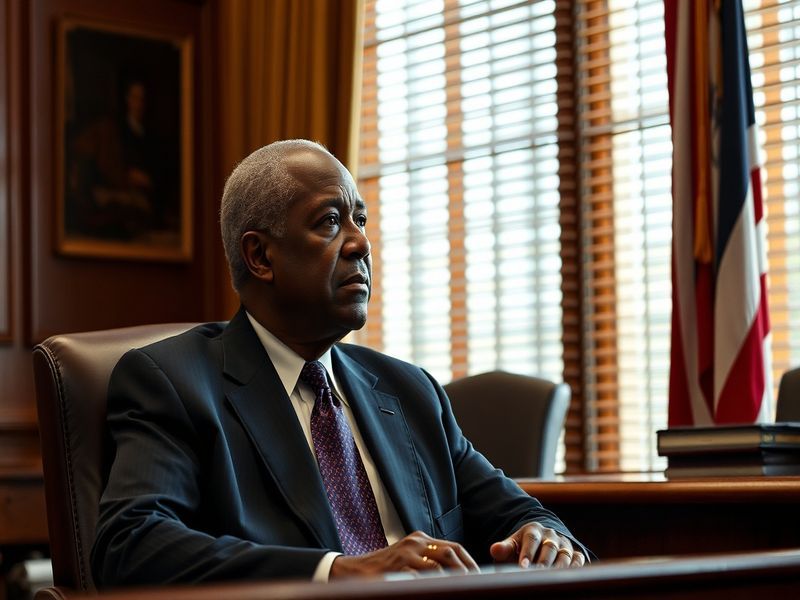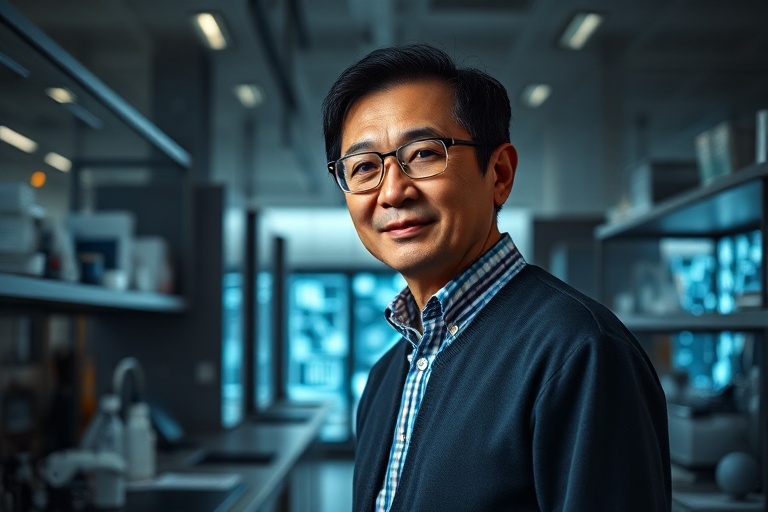
Mung Chiang is more than a name in engineering academia—he is a force of transformation reshaping how technical education is delivered and perceived. As the president of Purdue University, Chiang has positioned himself at the intersection of innovation, policy, and real-world application. His work extends beyond the classroom, influencing industries and government policies while redefining what it means to lead in higher education.
With a career spanning decades, Chiang has earned recognition not only for his scholarly contributions but also for his ability to bridge gaps between theory and practice. His leadership at Purdue has been marked by initiatives that prioritize accessibility, interdisciplinary collaboration, and global engagement. This article explores the multifaceted impact of Chiang’s work and why his approach to engineering education matters in today’s rapidly evolving world.
From Academia to Leadership: The Rise of Mung Chiang
Mung Chiang’s journey to becoming the president of Purdue University is a story of intellectual curiosity and relentless ambition. Born in Taiwan, Chiang earned his undergraduate degree from Stanford University before pursuing a Ph.D. in electrical engineering at Princeton. His early career focused on network optimization, a field where his contributions laid the groundwork for modern internet infrastructure.
Chiang’s academic career took off at Princeton, where he became a tenured professor and later the Arthur LeGrand Doty Professor of Electrical Engineering. His research on network control and optimization earned him numerous accolades, including the 2013 Alan T. Waterman Award—the National Science Foundation’s highest honor for early-career scientists. This recognition catapulted him into the national spotlight and set the stage for his transition into leadership.
In 2017, Chiang made a bold move when he left Princeton to become the dean of Purdue’s College of Engineering. His appointment was historic—he was one of the youngest deans in the college’s history and the first Asian American to lead the college. Under his leadership, Purdue’s engineering programs climbed national rankings, attracting top-tier faculty and students while fostering a culture of innovation.
A Vision for Engineering Education
Chiang’s approach to engineering education is rooted in three core principles: accessibility, relevance, and impact. He has been a vocal advocate for making STEM education more inclusive, particularly for underrepresented groups. His initiatives at Purdue have included expanding online learning programs, increasing scholarship opportunities, and fostering partnerships with industry to ensure that curricula align with real-world demands.
One of Chiang’s most notable contributions is Purdue’s “Engineering for Everyone” initiative, which aims to demystify engineering and make it accessible to students from all backgrounds. This program includes outreach efforts in K-12 schools, boot camps for non-engineering majors, and interdisciplinary courses that blend engineering with fields like business and healthcare. The goal is clear: to produce engineers who are not only technically proficient but also equipped to tackle global challenges.
Policy Influence and Industry Collaboration
Chiang’s influence extends far beyond the campus. He has played a pivotal role in shaping national policies related to STEM education, workforce development, and technological innovation. As a member of the National Science Board, he has advised policymakers on issues ranging from cybersecurity to the future of work. His insights are particularly valuable in an era where technology is both a driver of progress and a source of disruption.
His work with industry partners has also been transformative. Purdue’s strong ties to companies like Boeing, Lockheed Martin, and Caterpillar have resulted in cutting-edge research, internship opportunities, and job placements for students. Chiang has emphasized the importance of these collaborations, arguing that universities must serve as engines of economic growth by translating academic research into tangible solutions.
Key Initiatives Under Chiang’s Leadership
Since becoming Purdue’s president in 2022, Chiang has launched several initiatives that reflect his forward-thinking approach. Below are some of the most impactful:
- Purdue Computes: A $100 million investment in computing infrastructure to support AI, quantum computing, and data science research. This initiative positions Purdue as a leader in the digital transformation of industries.
- Purdue in D.C.: A Washington, D.C.-based hub focused on policy engagement, industry partnerships, and advocacy for higher education funding.
- Global Engineering Programs: Expanded study-abroad opportunities and partnerships with international universities to prepare students for careers in a globalized workforce.
- Entrepreneurship Ecosystem: Launched incubators and accelerators to support student and faculty startups, with a focus on technologies that address societal needs.
These initiatives underscore Chiang’s belief that universities must be more than degree-granting institutions—they must be hubs of innovation that drive economic and social progress.
The Broader Implications of Chiang’s Work
Mung Chiang’s leadership at Purdue is part of a larger trend in higher education: the blurring of lines between academia and industry. As technology continues to reshape economies, universities are under pressure to produce graduates who are not only job-ready but also capable of driving innovation. Chiang’s model—where education, research, and industry collaboration are deeply interconnected—offers a blueprint for other institutions to follow.
His emphasis on accessibility is particularly noteworthy. In a field like engineering, which has historically struggled with diversity, Chiang’s efforts to create inclusive pathways into the profession are long overdue. Programs like “Engineering for Everyone” challenge the stereotype that engineering is an elite discipline reserved for a select few. Instead, they reinforce the idea that engineering is a tool for solving problems that affect everyone, from climate change to healthcare disparities.
Chiang’s work also highlights the importance of interdisciplinary thinking. Modern challenges—whether it’s developing sustainable energy systems or designing smart cities—require expertise from multiple fields. By encouraging collaboration between engineers, social scientists, policymakers, and industry leaders, Chiang is fostering a new generation of problem-solvers who can navigate complexity with creativity.
Why Chiang’s Model Matters for the Future
The stakes for higher education have never been higher. With the rapid advancement of AI, automation, and other disruptive technologies, universities must adapt or risk becoming obsolete. Chiang’s leadership at Purdue demonstrates that institutions can thrive by embracing change and prioritizing outcomes over tradition.
His focus on practical, real-world applications also serves as a counterpoint to the ivory tower stereotype of academia. In an era where skepticism about higher education is growing, Chiang’s model proves that universities can be both centers of learning and engines of economic growth. By aligning education with industry needs and societal challenges, he is helping to restore public trust in the value of a degree.
Moreover, Chiang’s global perspective is increasingly relevant. As supply chains, workforce dynamics, and technological innovation become more interconnected, universities must adopt a global mindset. Purdue’s expanded international programs and partnerships reflect this reality, preparing students to work in diverse, cross-cultural environments.
A Lasting Legacy in the Making
It is still early in Chiang’s tenure as Purdue’s president, but his impact is already undeniable. From his groundbreaking research to his transformative leadership, he is redefining what it means to be an academic leader in the 21st century. His work serves as a reminder that universities are not just places of learning—they are catalysts for progress.
As higher education continues to evolve, Mung Chiang’s approach offers valuable lessons for institutions, policymakers, and industries alike. By prioritizing accessibility, collaboration, and real-world impact, he is proving that universities can be forces for good in an increasingly complex world. For students, faculty, and innovators, his story is one of inspiration—a testament to the power of education to shape the future.
Further Reading and Resources
To learn more about Mung Chiang’s work and Purdue University’s initiatives, explore these resources:
- Trending Topics on Dave’s Locker – Stay updated on the latest developments in higher education and technology.
- Analysis on Dave’s Locker – In-depth articles on the intersection of academia, policy, and industry.
Mung Chiang’s story is far from over. As he continues to push boundaries, one thing is certain: his influence will be felt for generations to come.