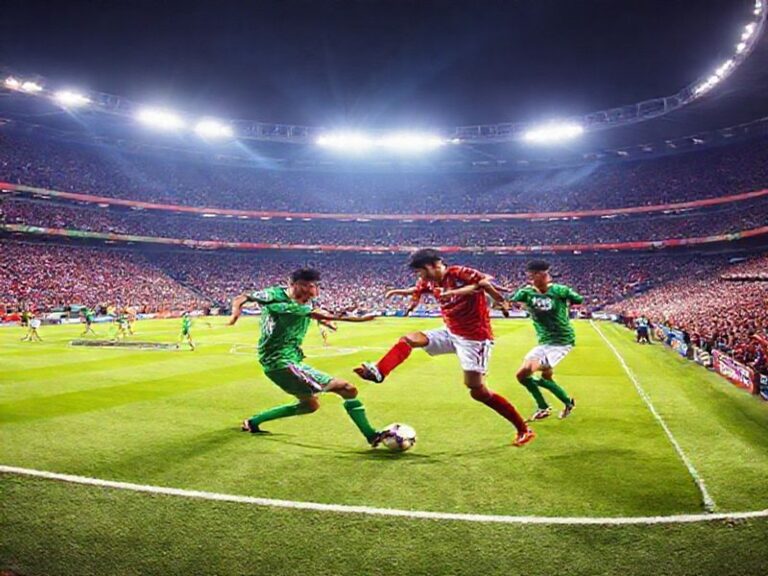
Scotland vs Nepal: Football’s Global Stage Meets Himalayan Spirit
Football transcends borders, and in the clash between Scotland and Nepal, two worlds meet on the pitch. One team carries the weight of centuries of football history, while the other represents a rising football culture in the heart of the Himalayas. Though not a regular fixture on the international calendar, a matchup between these nations offers more than just goals and scores—it reflects the diverse pathways football can take around the world.
The Scottish national team, with its deep-rooted football identity, faces Nepal, a country where the sport is growing rapidly despite challenges of infrastructure and resources. This contrast isn’t just about football. It’s about ambition, identity, and the universal appeal of the beautiful game. While Scotland competes in European qualifiers and tournaments, Nepal is building its presence in South Asian football, often punching above its weight in regional competitions.
The Footballing Landscapes: Scotland and Nepal in Context
Scotland’s football pedigree is unmistakable. As one of the oldest footballing nations—home to the world’s first official international match (against England in 1872)—Scotland has nurtured legends like Kenny Dalglish, Denis Law, and more recently, Andy Robertson. The national team competes in UEFA competitions, aiming to qualify for major tournaments, though it has faced challenges in breaking through at the highest level in recent decades. Still, Scottish football maintains a passionate fanbase and a strong domestic league, particularly through clubs like Celtic and Rangers in European competitions.
Nepal, by contrast, is a football nation in transformation. Despite limited resources, the Nepal national team has shown resilience in regional tournaments like the SAFF Championship. The country’s football culture is deeply tied to community spirit and local tournaments, often played in makeshift pitches across Kathmandu and beyond. The Nepal Football Association has been working to professionalize the game, with initiatives to develop youth academies and improve coaching standards. The contrast between Scotland’s established footballing ecosystem and Nepal’s grassroots-driven evolution highlights the global spectrum of how football is played and experienced.
Key Differences Between the Two Footballing Cultures
- Infrastructure: Scotland boasts professional stadiums, youth academies, and elite training facilities. Nepal often relies on community pitches and limited funding.
- Support Systems: Scottish football benefits from strong youth development programs and media coverage. Nepal’s football development is driven by local clubs and volunteer coaches.
- Competitive Level: Scotland competes in UEFA qualifiers for World Cups and Euros. Nepal focuses on regional competitions like the SAFF Championship and AFC Challenge Cup.
- Fan Culture: Scottish fans are known for their vocal support and deep club loyalty. Nepalese fans show passionate support in difficult conditions, often traveling long distances to watch matches.
When Scotland Met Nepal: Past Encounters and What They Reveal
Historically, Scotland and Nepal have met infrequently. Their most notable encounter came in 2018 during a friendly match in Kathmandu, part of Scotland’s preparation for the UEFA Nations League. The match, played under floodlights at the Dasarath Rangasala Stadium, ended in a 3-0 victory for Scotland. While the result wasn’t surprising, the context was telling. The Nepalese team, playing in front of a packed home crowd, showed grit and tactical awareness, even as they faced a far more experienced opponent.
This match was more than a football result. It was a moment of cultural exchange. Scottish players interacted with local fans, visited landmarks, and experienced Nepali hospitality. For many Nepalese, it was a rare chance to see top-level international football up close. For Scotland, it was an opportunity to promote football development in Nepal through the Scottish FA’s global outreach programs.
Beyond the scoreboard, these matches plant seeds. They inspire young players in Nepal to dream bigger. They remind Scottish football of the sport’s unifying power beyond borders. And they offer a snapshot of how football can bridge divides—between nations, between classes, and between generations.
The Broader Implications: Football as a Tool for Growth and Connection
The Scotland vs Nepal narrative extends beyond the pitch. It reflects how football can serve as a catalyst for social and economic development. In Nepal, football is increasingly seen as a tool for youth engagement, gender equality, and community building. Programs supported by FIFA Forward and local NGOs are introducing football in schools, particularly for girls, and training coaches in modern techniques. These efforts are slowly changing the landscape of Nepali football.
Scotland, meanwhile, has been leveraging its footballing expertise internationally. Through initiatives like the Scottish FA’s global ambassador program, former players and coaches travel to developing football nations to share knowledge. These exchanges foster goodwill and open doors for future collaborations. A friendly match between Scotland and Nepal isn’t just a game—it’s a statement of intent, a bridge between two footballing worlds.
The match also raises questions about representation in global football. While Scotland is a UEFA member with access to top-level tournaments, Nepal is still fighting for broader recognition in Asian football. Yet, both nations share a common love for the game. That shared passion is the real story—the one that resonates far beyond the final whistle.
What’s Next? The Future of Scotland-Nepal Football Ties
Though full international fixtures may remain rare, the potential for future exchanges is promising. The Scottish FA has expressed interest in continuing pre-tournament tours to Asia, including Nepal, to build relationships and promote football development. Similarly, Nepal’s national team is steadily improving, with ambitions to qualify for the AFC Asian Cup and beyond. A return match in Scotland—perhaps in a smaller city or a community stadium—could become a recurring event, symbolizing football’s global reach.
For now, the Scotland vs Nepal story remains one of contrast and connection. It’s a reminder that football isn’t just about elite competition. It’s about culture, identity, and the people who play and love the game. Whether in Glasgow or Kathmandu, the spirit of football endures—and so does the hope that one day, these two nations will meet again on the pitch, not just as opponents, but as partners in the beautiful game’s global journey.
For Scottish football fans looking to explore more about international football development, visit our News section. For deeper analysis on football’s role in cultural exchange, check out our Analysis category.