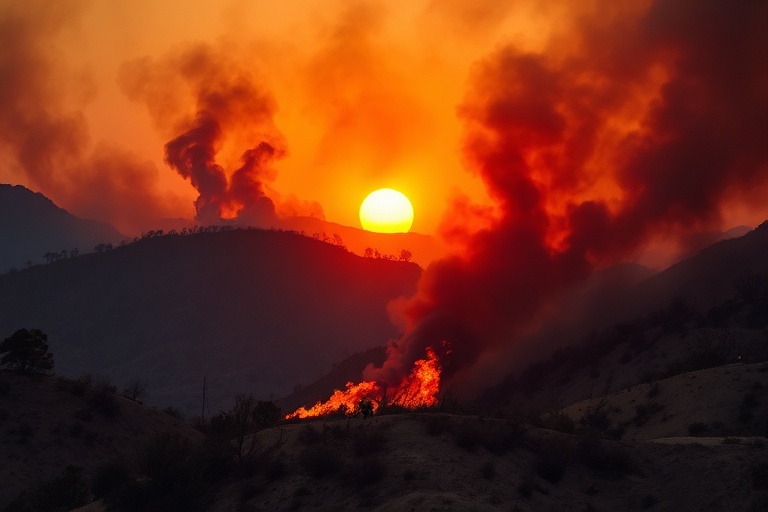
The Simi Valley Fire, which ignited on the evening of October 10, 2023, quickly became one of the most challenging wildfires in Southern California’s recent history. Originating near the Simi Valley-Tapo Canyon area, the fire spread rapidly due to strong Santa Ana winds and dry vegetation, threatening hundreds of homes and forcing thousands of residents to evacuate. Firefighters from multiple agencies worked tirelessly to contain the blaze, which scorched over 12,000 acres and destroyed at least 15 structures before it was fully contained on October 17.
The Sequence of Events
The fire was first reported around 6:30 PM on October 10 near the intersection of Tapo Canyon Road and Erringer Road. Within hours, the flames advanced quickly toward residential neighborhoods, fueled by winds exceeding 40 miles per hour. By midnight, the fire had grown to over 3,000 acres, prompting mandatory evacuation orders for areas south of the 118 Freeway, including parts of Simi Valley and Moorpark.
Evacuation centers were established at Simi Valley High School and Moorpark College, where displaced residents could find shelter, food, and support. Local authorities, including the Ventura County Fire Department and Cal Fire, issued urgent warnings about the fire’s unpredictable behavior, urging residents to stay informed through official channels.
The following days saw fluctuating containment levels as firefighters battled both the flames and challenging weather conditions. By October 13, the fire had crossed into Los Angeles County near the Hansen Dam area, further complicating containment efforts. Strong gusts and low humidity continued to hamper progress, but a shift in wind direction on October 16 allowed crews to gain significant ground.
Containment Efforts and Challenges
Containing the Simi Valley Fire required a coordinated response from dozens of agencies, including local fire departments, Cal Fire, the Ventura County Sheriff’s Office, and mutual aid from neighboring counties. Over 1,500 personnel were deployed at the height of the emergency, working in shifts to manage the fire’s spread.
One of the primary challenges was the fire’s rapid advancement toward populated areas. Firebreaks and backfiring operations were employed to starve the flames of fuel, but the terrain—characterized by steep hills and dense brush—made access difficult for firefighters. Aerial support from helicopters and fixed-wing aircraft played a crucial role in dropping water and fire retardant to slow the fire’s progress.
Public cooperation was essential in mitigating the fire’s impact. Residents in evacuation zones were advised to prepare go-bags with essentials and follow evacuation routes to avoid road congestion. The Ventura County Sheriff’s Office also used reverse 911 calls and social media to disseminate real-time updates, reducing the risk of misinformation.
Environmental and Economic Impact
The environmental toll of the Simi Valley Fire was substantial. Over 12,000 acres of land were burned, including critical wildlife habitats and areas designated for conservation. The fire destroyed vegetation that had already been stressed by years of drought, raising concerns about soil erosion and the potential for mudslides during the upcoming rainy season.
In addition to the environmental damage, the fire had a significant economic impact on the region. Local businesses, particularly those in the hospitality and retail sectors, reported losses due to reduced foot traffic and temporary closures. The cost of firefighting efforts exceeded $10 million, with additional expenses expected for debris removal and landscape restoration.
Insurance claims are also anticipated to rise, as homeowners in affected areas file reports for damaged or destroyed properties. Ventura County officials have assured residents that they will work closely with state and federal agencies to expedite recovery efforts and provide financial assistance where needed.
Community Response and Recovery
The Simi Valley community demonstrated remarkable resilience in the face of the fire. Neighbors came together to support one another, offering shelter, supplies, and emotional encouragement to those displaced by the evacuation orders. Local organizations, such as the Community outreach programs, played a vital role in coordinating relief efforts and connecting residents with resources.
Volunteers from across the region assisted in distributing food, water, and hygiene kits at evacuation centers. Schools and public facilities were repurposed to serve as temporary shelters, ensuring that displaced individuals had access to essential services.
As the fire was contained, attention turned to the long-term recovery process. Ventura County officials outlined a multi-phase plan to assess damage, clear debris, and begin the restoration of natural habitats. Community meetings were held to gather input from residents, ensuring that recovery efforts aligned with the needs and priorities of those affected.
The Simi Valley Fire serves as a reminder of the importance of preparedness and community solidarity in the face of natural disasters. While the fire caused significant disruption, it also highlighted the strength and resilience of the people who call this region home.
Lessons Learned
The Simi Valley Fire underscored several key lessons for both residents and authorities. First, the importance of defensible space around homes cannot be overstated. Clearing dry vegetation and maintaining firebreaks can significantly reduce the risk of property damage during wildfires. Second, early communication and transparent information-sharing are critical in managing public response and ensuring safety.
For policymakers, the fire highlighted the need for continued investment in wildfire prevention and response strategies. This includes funding for firebreaks, brush clearance programs, and the modernization of emergency alert systems. Additionally, the incident emphasized the importance of interagency collaboration, as the combined efforts of local, state, and federal teams were instrumental in containing the fire.
Finally, the fire served as a wake-up call about the increasing frequency and intensity of wildfires in California. Climate change and prolonged drought conditions have created a perfect storm for catastrophic fires, making proactive measures and community engagement more important than ever.
Looking Ahead
As Simi Valley and surrounding areas begin the recovery process, the focus remains on rebuilding and restoring what was lost. The fire may have left scars on the landscape, but it has also brought the community closer together. Moving forward, the lessons learned from this incident will shape future preparedness efforts, ensuring that the region is better equipped to handle the challenges ahead.
For those interested in supporting recovery efforts, local organizations are accepting donations and volunteer applications. Whether through financial contributions or hands-on assistance, every effort counts in helping the community heal and rebuild.