The Subway Series Returns in 2026: A Global Spectacle of Rivalry and Tradition
The Subway Series, one of baseball’s most storied rivalries, is poised to make a triumphant return in 2026. This biennial interleague matchup between the New York Yankees and the New York Mets isn’t just a game—it’s a cultural event that transcends sports, uniting and dividing fans across generations. As the countdown to 2026 begins, anticipation is building not only in the Bronx and Queens but around the world, where baseball’s global fanbase eagerly awaits the next chapter in this historic feud.
The rivalry traces its roots to the 1997 introduction of interleague play, when MLB commissioner Bud Selig sought to inject fresh energy into the sport by pitting cross-town teams against each other. What emerged was more than just baseball—it was a clash of identities, neighborhoods, and philosophies. The Yankees, with their legacy of championships and pinstripes, represent tradition and excellence. The Mets, born from the Amazin’ spirit of 1962, embody grit, underdog resilience, and a connection to the city’s working-class roots. Together, they form a dynamic that resonates far beyond the borders of New York.
The Global Appeal of the Subway Series
While the Subway Series is undeniably a New York event, its influence stretches across continents. Baseball’s growth in international markets—particularly in Japan, South Korea, and Latin America—has turned this rivalry into a global spectacle. In cities like Tokyo and Seoul, where MLB games are broadcast with near-religious fervor, the Subway Series is more than a local feud: it’s a showcase of baseball’s highest level, featuring stars who are household names from Tokyo to Toronto.
The international fanbase doesn’t just watch—they participate. Social media platforms explode with memes, debates, and tributes during Subway Series weekends. Memes comparing the two teams’ logos, playful jabs at each city’s quirks, and even food challenges (Yankees pizza vs. Mets hero sandwiches) dominate timelines. The rivalry has become a cultural export, a way for global fans to engage with American sports culture without needing to understand every nuance of the game. It’s baseball as entertainment, as identity, as a shared global language.
In Japan, where baseball is a national obsession, the Subway Series is often framed as a battle between two philosophies of the game. The Yankees’ disciplined, power-hitting approach contrasts with the Mets’ scrappy, pitching-first mentality—a duality that mirrors debates in Japanese baseball between the disciplined approach of teams like the Yomiuri Giants and the aggressive, small-ball style of the Hanshin Tigers. This thematic resonance helps explain why Japanese fans don’t just root for a team—they root for a style, a story, a way of playing the game.
Why 2026 Matters: A Season of Storylines
The 2026 Subway Series arrives at a pivotal moment in baseball. With the sport undergoing rapid transformation—expanded playoffs, pitch clocks, defensive shifts banned—traditional rivalries like this one offer a touchstone of stability. In an era where the game is increasingly global and digital, the Subway Series remains a rare constant: a two-game set that feels like a throwback to an older, more personal kind of baseball.
For the Yankees, 2026 could be a moment of reckoning. After several seasons of playoff disappointments and aging core players, the Bronx Bombers are in a rebuilding phase. Will this be the year they return to dominance? Or will the Mets, with their young pitching staff and revitalized lineup, finally close the gap and claim their first Subway Series victory since 2019? The stakes feel higher than ever—not just for the standings, but for the narrative of New York baseball.
The Mets, meanwhile, have spent the past few years cultivating a team built on analytics, speed, and pitching depth. Their farm system, once barren, now brims with talent. A strong showing in 2026 could cement their status as a contender for years to come. For their fans, many of whom grew up watching the team struggle through mediocrity, a Subway Series win would be more than a victory—it would be validation.
Off the field, the series also reflects broader shifts in sports culture. The rise of sports betting has turned every pitch into a data point, every player into a statistical projection. Yet, in the Subway Series, the intangibles—the chants in the stands, the pre-game rituals, the sheer unpredictability of a two-game set—still matter. The rivalry thrives on atmosphere, on the raw emotion of fans who paint their faces, wear vintage jerseys, and tailgate for hours before first pitch. In an age of algorithm-driven fandom, the Subway Series is a reminder that baseball is still, at its heart, a human experience.
Beyond the Diamond: The Cultural Legacy of the Subway Series
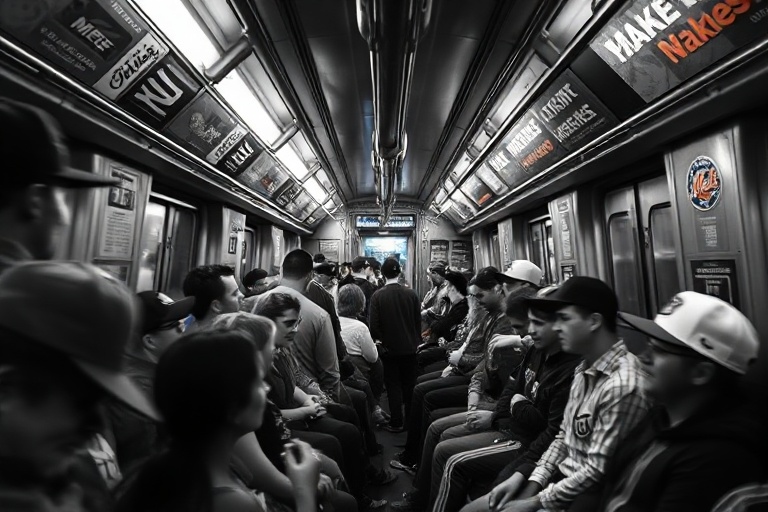
The Subway Series is more than a baseball event—it’s a cultural institution. It reflects the diversity, tension, and creativity of New York City itself. The Yankees, with their global brand and corporate ties, represent the city’s financial and media power. The Mets, rooted in Queens and beloved by working-class families, embody the borough’s scrappy individualism. When these teams meet, the city pauses. Subway ridership spikes. Bars fill up. Social media explodes. It’s a shared experience that cuts across class, race, and age.
For many New Yorkers, the Subway Series is a rite of passage. First-time fans learn the rituals: the call-and-response chants, the tradition of throwing back the first pitch at Citi Field, the post-game pilgrimage to Junior’s for cheesecake. For transplants and tourists, it’s a chance to experience the city’s unique blend of passion and diversity. And for those who grew up watching both teams, it’s a chance to relive childhood memories—whether it was watching Derek Jeter’s clutch hits or Mike Piazza’s iconic bat flip in 2000.
The rivalry has also inspired countless works of art, music, and literature. From Jay-Z’s “Empire State of Mind” to the Broadway musical Bronx Bombers, the Yankees and Mets have been immortalized in popular culture. In literature, novels like The Art of Fielding and Bang the Drum Slowly use baseball as a metaphor for life’s struggles, and the Subway Series often serves as the backdrop for these stories. Even in film, the rivalry has been referenced in classics like The Natural and Major League, cementing its place in America’s cultural lexicon.
Internationally, the Subway Series has become a symbol of baseball’s global reach. In countries where baseball is growing, the rivalry is often used to introduce new fans to the sport. Broadcasters in Japan and South Korea highlight the contrasts between the two teams, framing the series as a clash of styles. In Latin America, where many Yankees and Mets players hail from, the series is a point of pride—a chance to celebrate players who’ve made it from humble beginnings to the bright lights of New York.
What to Expect in 2026: Fan Predictions and Storylines
As the 2026 Subway Series approaches, speculation is already running wild. Here are some of the key storylines and fan predictions to watch:
- Will Aaron Judge return to form? After a down 2024 and 2025 marred by injuries, the Yankees’ slugger faces immense pressure to bounce back. A strong Subway Series could silence critics and reaffirm his status as the face of the franchise.
- Can the Mets’ young core deliver? With Francisco Alvarez and Kodai Senga leading the charge, the Mets hope their core group of 20-somethings can finally surpass expectations. A series win would be a major stepping stone.
- Will the new commissioner bring changes? With MLB under new leadership in 2026, there’s speculation about potential rule changes—perhaps even a pitch clock adjustment or expanded rosters. Could these tweaks influence the outcome?
- Will the Subway Series become a four-game set? Rumors have swirled about MLB expanding the rivalry to a four-game series, possibly alternating between Yankee Stadium and Citi Field. Would this dilute the intensity or deepen the lore?
- Foreign stars take center stage With MLB’s global talent pool growing, stars like Shohei Ohtani (if he stays in the majors) or Wander Franco could headline the series, drawing international attention.
One thing is certain: the 2026 Subway Series will be more than just two games. It will be a celebration of baseball’s past, present, and future—a reminder of why this rivalry has endured for nearly three decades. Whether you’re a lifelong fan or a casual observer, the Subway Series offers something for everyone: drama, nostalgia, and the sheer unpredictability of sport.
The Bigger Picture: Why the Subway Series Matters
In an era where sports are increasingly fragmented—with fans splintering into niche communities and algorithms feeding us only what we already like—the Subway Series stands out as a unifying force. It brings together people who might otherwise never interact: Yankees fans who live in Manhattan, Mets fans who commute from Brooklyn, and international fans who tune in at 3 a.m. to catch a glimpse of their favorite players. It’s a shared experience that cuts across divides.
The Subway Series also highlights the global nature of modern sports. In 2026, expect to see fans from Tokyo, Santo Domingo, and Berlin tweeting their predictions, streaming the games on illegal sites, or even traveling to New York just to soak in the atmosphere. Baseball’s international growth has made the Subway Series a truly global event—one that transcends borders and languages.
For the teams themselves, the Subway Series is a chance to write new legends. Will we remember 2026 for a walk-off homer, a dominant pitching performance, or a rookie’s breakout game? Whatever happens, one thing is certain: the story will be told and retold for generations, adding another layer to the rich tapestry of baseball history.
As we look ahead to 2026, the countdown has begun. Tickets will go on sale. Jerseys will be printed. Debates will rage on social media. And when the first pitch is thrown, the world will stop for a moment to watch New York’s greatest rivalry unfold once again. In a sport that’s always changing, the Subway Series remains a constant—a testament to the power of tradition, rivalry, and the enduring appeal of baseball.
For fans old and new, the message is clear: mark your calendars. The next chapter in the Subway Series is almost here.
To stay updated on all things baseball, including analysis and news, visit our Sports section. For a deeper look at the cultural impact of sports, check out our