The Meaning and Impact of Being a Number One Fan
“`html
What It Means to Be a Number One Fan
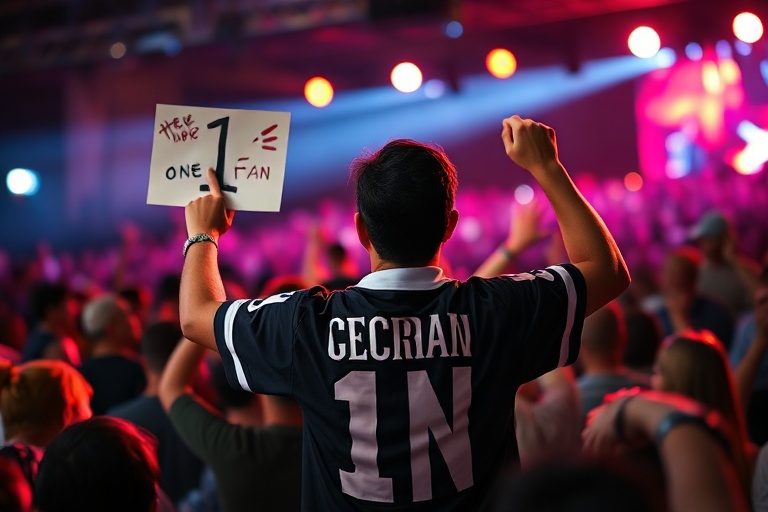
The term “number one fan” evokes images of devotion—someone whose loyalty to a person, band, sports team, or even a fictional universe transcends casual interest. It’s more than just liking something; it’s a declaration of allegiance that often shapes identity, social circles, and even life decisions. Across cultures, the concept of the ultimate fan has evolved, blending fandom with personal pride, community bonding, and sometimes, financial investment.
While the phrase is widely used in English, similar ideas exist globally. In Japan, ota (お宅) refers to obsessive fans of anime or pop idols, while in South Korea, sasaeng fans have gained notoriety for extreme behavior. These terms highlight how fandom can manifest differently, from enthusiastic support to outright obsession. Understanding the nuances of being a number one fan requires looking beyond stereotypes and examining the cultural, psychological, and social layers beneath the surface.
The Psychology Behind Ultimate Devotion
Psychologists suggest that extreme fandom often stems from a need for belonging or self-expression. Fans who identify as “number one” may feel a deeper connection to their object of affection than to their immediate social circles. This phenomenon isn’t limited to entertainment—it extends to sports teams, political figures, and even brands.
A 2018 study published in the Journal of Consumer Psychology found that highly identified fans often experience emotional highs and lows tied to their team’s or idol’s success or failure. This emotional rollercoaster can reinforce their status as a “number one fan,” as they tie their self-worth to external validation from their chosen object of devotion.
For some, the label is aspirational—a goal to achieve through memorabilia collection, social media engagement, or even pilgrimages to significant locations. For others, it’s an identity they’ve held since childhood, passed down through generations or reinforced by peer groups.
Cultural Variations in Extreme Fandom
The way cultures embrace or critique “number one fans” varies widely. In Western societies, devoted fans are often celebrated in media, from sports documentaries to music biopics. However, the line between passion and obsession can blur, especially when fans cross into invasive or harmful behavior.
In contrast, some Asian cultures have institutionalized fandom. In South Korea, fan clubs for K-pop groups like BTS or BLACKPINK are highly organized, with members paying dues for exclusive perks. These clubs often coordinate streaming parties, fan chants, and even philanthropic projects tied to their idols. The structured nature of these groups provides a sense of community while channeling fan energy productively.
In Latin America, sports fandom reaches almost religious levels. Football (soccer) clubs like Brazil’s Flamengo or Argentina’s Boca Juniors have fan bases that see themselves as part of the team’s identity. The term hincha, originally meaning “fan” in Spanish, originates from the word for someone who inflates footballs—highlighting the physical and emotional investment fans make.
- Japan: Fans of anime or J-pop idols often engage in handshake events, where they meet their idols in person, sometimes waiting for hours in line.
- South Korea: Fan clubs for K-pop groups are highly organized, with members contributing to group projects and streaming numbers.
- Brazil: Football fans, or torcedores, organize torcidas organizadas—fan groups that choreograph stadium displays and travel together to away games.
- United States: Sports fans, particularly in NFL or NBA communities, often travel across the country to support their teams, wearing jerseys and face paint.
The Business of Being a Number One Fan
The commercialization of fandom has turned devoted fans into a lucrative market. Merchandise sales, concert tickets, and exclusive memberships generate billions annually. Companies and artists leverage this loyalty by offering tiered memberships, VIP experiences, and limited-edition products.
For example, Taylor Swift’s Eras Tour has become a cultural and economic phenomenon, with fans spending thousands on tickets, travel, and memorabilia. The tour’s success isn’t just about the music—it’s about the experience of being a “Swiftie,” a term that has become synonymous with devotion. Similarly, video game franchises like “Call of Duty” or “Fortnite” cultivate fanbases through esports tournaments, in-game purchases, and community events.
However, the financial burden of being a number one fan can be significant. Rare collectibles, autographed items, and exclusive concert access often come with hefty price tags. This has led to debates about accessibility and the ethics of monetizing fandom. Some argue that the industry exploits vulnerable fans, while others see it as a natural evolution of consumer culture.
The Dark Side of Ultimate Devotion
Not all expressions of fandom are positive. When admiration crosses into obsession, fans may engage in harassment, stalking, or even violence. High-profile cases, such as the 2014 murder of a model by a stalker who identified as her “number one fan,” highlight the dangers of unchecked devotion.
Social media has amplified these risks. Platforms like Twitter and TikTok allow fans to interact directly with their idols, but they also provide avenues for harassment and doxxing. In response, many celebrities and organizations have implemented fan management systems, such as verified fan clubs or restricted interactions.
Cultural attitudes toward extreme fandom also play a role. In some societies, such behavior is normalized as part of the fan experience, while in others, it’s met with skepticism or condemnation. The key difference often lies in boundaries—whether fans respect personal space and consent.
Conclusion: More Than Just a Label
Being a number one fan is a complex identity that blends passion, community, and sometimes, financial investment. It’s a phenomenon that transcends borders, shaped by cultural norms, psychological needs, and commercial interests. While the term often conjures images of screaming fans at concerts or die-hard sports supporters, its true significance lies in what it reveals about human connection.
Ultimately, the label “number one fan” is what individuals make of it. For some, it’s a badge of honor; for others, it’s a warning sign. What remains clear is that fandom, in all its forms, will continue to evolve alongside technology, culture, and commerce. As fans and observers, understanding this dynamic can help us appreciate the power of devotion without losing sight of its potential pitfalls.