Understanding the Train Strike: Causes and Context
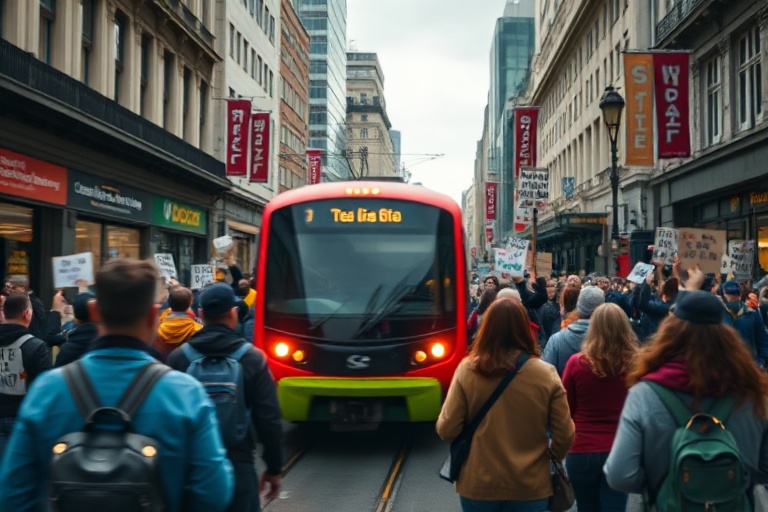
The recent train strike has disrupted daily commutes, freight logistics, and regional economies across the country. Unlike isolated labor disputes, this strike reflects broader tensions between transportation workers, railway operators, and government agencies. The immediate trigger was a breakdown in contract negotiations, but deeper issues include wage stagnation, working conditions, and automation concerns.
According to union representatives, negotiations stalled over demands for higher wages to match inflation and improved safety protocols following a series of high-profile incidents. Railway executives countered with proposals focused on cost control and operational efficiency, arguing that unsustainable wage increases could destabilize service affordability. The deadlock persisted for months, culminating in the strike that brought passenger and cargo trains to a standstill.
Public reaction has been mixed. Commuters relying on trains for work face daily uncertainty, while businesses dependent on freight shipments report delays and financial losses. Meanwhile, government officials have urged both sides to return to the negotiating table, emphasizing the economic ripple effects of prolonged disruptions.
As the strike continues, its resolution remains uncertain. Both sides have dug in, and temporary measures have failed to bridge the gap. The next steps could determine not only the future of this dispute but also the broader labor landscape in the transportation sector.
The Human Impact: Commuters and Communities Affected
The strike’s human toll is most visible among daily commuters. Office workers, healthcare professionals, and students who depend on trains now face hours-long detours, canceled trips, or costly alternative transportation. In major cities like Chicago and Philadelphia, traffic congestion has surged as frustrated commuters flood highways and ride-sharing services.
Local businesses near train stations also feel the pinch. Cafes, newsstands, and retail shops report sharp drops in foot traffic, with some owners warning of layoffs if the strike drags on. Small enterprises that rely on just-in-time deliveries face additional strain, as delayed shipments disrupt inventory and customer satisfaction.
Community organizations have stepped in to mitigate the impact. Transit advocacy groups have organized carpools and shuttle services, while local governments have expanded temporary bus routes in some areas. However, these efforts only partially offset the disruption, leaving many residents to adapt on their own.
For low-income workers, the strike exacerbates existing challenges. Many cannot afford substitute transportation or overnight stays near workplaces. The strike’s disproportionate effect on marginalized communities highlights broader issues of transit equity and labor rights.
Economic Ripples: Supply Chains and Business Operations
The strike’s economic impact extends far beyond passenger inconvenience. Supply chains, already stressed by inflation and labor shortages, now face additional bottlenecks. Manufacturing plants, farms, and warehouses rely on trains for timely delivery of raw materials and finished goods. Delays in coal shipments, for example, could disrupt power generation, while automotive manufacturers report assembly line slowdowns due to missing parts.
Small businesses are particularly vulnerable. According to a survey by the National Federation of Independent Business, 42% of respondents reported shipment delays directly linked to the strike. Retailers anticipating holiday inventory now scramble to secure alternatives, often at higher costs. The ripple effect touches industries from agriculture to tech, underscoring the critical role of rail transport in the national economy.
Some industries have turned to alternative shipping methods, though these come with trade-offs. Trucking companies, already facing driver shortages, struggle to absorb the extra volume. Shipping by air or sea is prohibitively expensive for most goods. The result is a patchwork of solutions that fail to fully replace rail’s efficiency and scale.
Economists warn that prolonged disruptions could shave tenths of a percentage point off GDP growth. While the federal government has not yet declared an emergency, the Federal Reserve has hinted at monitoring the situation closely. Analysts suggest that if the strike persists, inflationary pressures could worsen as businesses pass on higher transportation costs to consumers.
Government Response and Potential Solutions
The government’s role in resolving the strike has been contentious. Federal mediators have attempted to broker deals, but both sides remain entrenched. President Biden’s administration has urged Congress to intervene, though partisan divides complicate swift action. Meanwhile, state governments in affected regions have deployed National Guard units to assist with critical freight deliveries, a stopgap measure with limited long-term impact.
One proposed solution is arbitration, where a neutral third party imposes a binding agreement. However, unions and management have historically resisted this approach, fearing loss of control over negotiations. Another option is incremental concessions, such as phased wage increases or pilot programs for improved safety measures, but neither side appears willing to concede first.
Public opinion polls show growing frustration with both the strike and the government’s handling of the crisis. A recent Dave’s Locker News survey found that 68% of respondents support federal intervention, though opinions diverge on the form that intervention should take. Some advocate for emergency funding to offset strike costs, while others call for stricter limits on union bargaining power.
Legal challenges have also emerged. Railway companies have filed lawsuits to block strike actions, citing violations of federal labor laws. Unions, in turn, accuse management of bad-faith bargaining. The courts could play a decisive role, though rulings may take weeks or months to materialize.
Lessons for the Future: Labor Rights and Transportation Policy
The strike serves as a case study in the evolving relationship between labor and industry in critical infrastructure sectors. Automation and AI are transforming rail operations, from predictive maintenance to autonomous trains. While these technologies promise efficiency gains, they also threaten jobs and require retraining programs for displaced workers.
For policymakers, the strike underscores the need for proactive labor policies. Investing in workforce development, ensuring fair wages, and modernizing infrastructure could prevent future conflicts. The European Union’s approach, which combines strong labor protections with technological adaptation, offers a potential model. There, railway unions negotiate directly with state-owned operators, reducing the adversarial tone of talks.
In the United States, the freight rail industry’s fragmented structure complicates solutions. Unlike passenger rail, which receives significant public funding, freight rail operates as a private enterprise with minimal oversight. This disparity leaves freight workers with fewer protections and weaker bargaining power. Advocates argue that federal oversight could level the playing field, ensuring that private profits do not come at the expense of worker safety or community needs.
Looking ahead, the strike’s resolution may set a precedent for labor disputes in other industries. From trucking to tech, automation and globalization continue to reshape work. The choices made today—whether to prioritize shareholder returns, worker rights, or public welfare—will define the economic landscape for decades to come.
What’s Next for Commuters and Businesses?
The strike’s outcome remains uncertain, but several scenarios could unfold in the coming weeks. A negotiated settlement could restore service quickly, though details may take months to finalize. Alternatively, a prolonged stalemate might force businesses to permanently adjust supply chains, reducing reliance on rail transport. For commuters, the status quo could persist, with only minor improvements in service reliability.
In the meantime, individuals and organizations must adapt. Commuters can explore flexible work schedules, remote options, or carpooling networks. Businesses might diversify shipping methods or increase local inventory to buffer delays. Government agencies could prioritize infrastructure investments to strengthen alternative transit options.
The strike is more than a labor dispute; it is a test of resilience for communities, industries, and institutions. Its resolution will reveal much about the priorities of a society increasingly dependent on complex, interconnected systems. Whether through compromise, coercion, or innovation, the path forward will shape the future of work and transportation in America.
Resources for Affected Individuals and Businesses
For those navigating the strike’s fallout, several resources may provide assistance:
- Transit Updates: Check your local transit authority’s website or app for real-time service changes and alternative routes.
- Financial Relief: Small businesses impacted by delays may qualify for SBA disaster loans or state-level grants. Visit Dave’s Locker Business for guidance.
- Union Support: Affected workers can contact their union representatives for strike pay or legal advice.
- Community Networks: Local chambers of commerce and nonprofit organizations often coordinate mutual aid efforts for commuters and businesses.
Staying informed and proactive is key to weathering the disruption. While the strike’s end is unpredictable, collective action and preparedness can mitigate its impact.