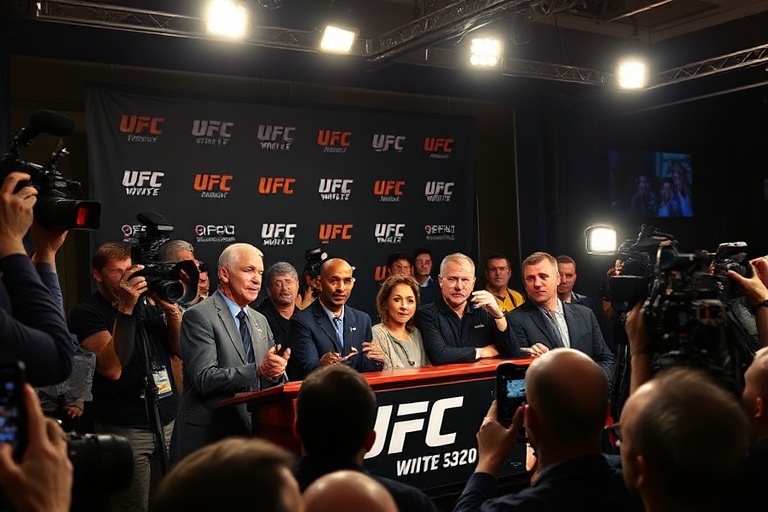
UFC 328 Press Conference: A Global Stage for Mixed Martial Arts Ambitions
The UFC 328 press conference in New York City was more than just a prelude to an upcoming pay-per-view event. It was a carefully orchestrated display of athleticism, promotion, and global ambition, drawing fighters, promoters, and media from around the world. Held at the iconic Madison Square Garden, the event set the tone for what promises to be a high-stakes night of mixed martial arts.
This gathering wasn’t just about hype—it was a cultural touchpoint. MMA has evolved from fringe spectacle to mainstream sport, and platforms like the UFC press conference reflect that transition. Fighters from diverse backgrounds shared the stage, each representing not only their own ambitions but also the global reach of the sport.
The Fighters Take Center Stage
The press conference brought together a mix of seasoned champions and rising stars. Israel Adesanya, fresh off his middleweight title defense, addressed the crowd with the confidence of a fighter who knows his place in the sport’s hierarchy. Across the room, Sean O’Malley, the charismatic bantamweight contender, engaged with reporters, his playful demeanor masking the intensity of his upcoming challenge.
But the UFC 328 press conference wasn’t just about the headline names. It also highlighted the stories of lesser-known fighters, many of whom traveled internationally to be part of the event. Fighters from Brazil, Japan, and Europe stood alongside their American counterparts, underscoring the sport’s international appeal.
The diversity wasn’t limited to nationality. The fighters represented a range of fighting styles—wrestling, Muay Thai, Brazilian jiu-jitsu—each bringing a unique flavor to the sport. This variety is part of what makes MMA so compelling: it’s a melting pot of martial arts disciplines, all converging under one banner.
The Role of Media and Promotion
Media coverage played a crucial role in amplifying the UFC 328 press conference. Major sports networks and digital platforms broadcasted the event live, ensuring that fans worldwide could tune in. Social media buzzed with highlights, memes, and fighter interactions, turning the press conference into a 24-hour conversation.
Promoters leveraged the event to build narratives around the main card. They framed fights as personal grudges, championship aspirations, and redemption stories. This storytelling isn’t just for entertainment—it’s a strategic tool to engage casual fans and convert them into pay-per-view buyers.
The UFC’s global expansion was evident in the press conference’s reach. Fight posters featured in multiple languages, and interpreters were on hand to assist international media. The organization’s ability to tailor its messaging for different regions reflects its understanding of MMA’s diverse audience.
Cultural Impact: MMA as a Global Phenomenon
To understand the significance of the UFC 328 press conference, it’s important to consider MMA’s cultural footprint. Once dismissed as a niche sport, MMA has grown into a billion-dollar industry, with a fanbase spanning every continent. The UFC’s global tours—from Abu Dhabi to Rio de Janeiro—have turned fighters into global ambassadors for the sport.
This cultural shift is reflected in how fighters are perceived. They’re no longer just athletes; they’re influencers, celebrities, and even philanthropists. Fighters like Conor McGregor and Amanda Nunes have transcended the sport, using their platforms to advocate for social causes and inspire fans worldwide.
The UFC 328 press conference highlighted this evolution. It wasn’t just about the fights—it was about the stories, the personalities, and the global connections that make MMA unique. The event served as a reminder that this sport is more than just two fighters in a cage; it’s a reflection of our interconnected world.
What’s Next for UFC 328
The UFC 328 pay-per-view promises to deliver on the hype generated by the press conference. Fans can expect a card packed with championship-level action, featuring fighters who have spent months preparing for this moment. The main event, a welterweight bout between two top contenders, is expected to be a barnburner.
But beyond the fights, UFC 328 represents the future of MMA. The sport continues to evolve, with new rules, new stars, and new markets emerging all the time. The press conference was a microcosm of this evolution—a snapshot of where the sport is headed.
As the countdown to UFC 328 continues, one thing is clear: this event is about more than just a single night of fights. It’s about the global community that has grown around MMA, the stories that inspire fans, and the athletes who push the boundaries of what’s possible in the sport.
For those looking to dive deeper into the world of MMA, Sports on Dave’s Locker offers a wealth of content, from fight breakdowns to fighter profiles and industry analysis.
Key Takeaways from the UFC 328 Press Conference
The UFC 328 press conference was a masterclass in promotion, storytelling, and global engagement. Here are a few key takeaways from the event:
- Diversity of Talent: Fighters from across the globe brought their unique styles and stories to the stage, highlighting MMA’s international appeal.
- Media Amplification: The event was broadcasted live to a global audience, ensuring maximum exposure for the upcoming pay-per-view.
- Cultural Relevance: MMA has evolved into a mainstream sport, with fighters becoming cultural icons in their own right.
- Strategic Storytelling: Promoters used the press conference to build narratives around the fights, engaging fans and driving interest.
These elements combined to create an event that was as much about entertainment as it was about sport. The UFC 328 press conference wasn’t just a prelude to the fights—it was a celebration of MMA’s global reach and cultural impact.
Why the UFC Press Conference Matters
Press conferences like the one for UFC 328 play a vital role in the lead-up to major events. They serve multiple purposes:
First, they generate buzz. By bringing fighters together, they create opportunities for rivalries, trash talk, and media moments that fans can’t resist. Second, they provide context for the fights. Reporters get to hear fighters’ thoughts on their opponents, their strategies, and their motivations, giving fans a deeper understanding of what to expect.
Finally, press conferences are a cultural event in their own right. They bring together fans, media, and fighters in a shared space, fostering a sense of community around the sport. In a world where sports are increasingly consumed digitally, these in-person events offer a tangible connection to the action.
The UFC 328 press conference embodied all of these elements. It was a carefully orchestrated event designed to hype the fights, engage fans, and showcase the global nature of MMA. As the sport continues to grow, events like this will remain a cornerstone of its success.
For more insights into the world of mixed martial arts, visit Sports on Dave’s Locker, where you’ll find analysis, news, and commentary on the latest trends in the sport.