Understanding CAL FIRE: California’s Wildfire Defense System
“`html
California’s Firefighting Force: Understanding CAL FIRE
California’s landscape has long been shaped by wildfires, a natural phenomenon that has intensified due to climate change, drought conditions, and urban expansion into fire-prone areas. At the front lines of this ongoing battle stands the California Department of Forestry and Fire Protection, commonly known as CAL FIRE. This agency operates as both a firefighting force and a state-level leader in fire prevention, emergency response, and forest management.
The Structure and Mission of CAL FIRE
Established in 1905 as the California Forestry Association, CAL FIRE has evolved into one of the most advanced wildfire management organizations in the world. Its mission extends beyond mere firefighting—it encompasses forest health, emergency medical services, and public safety. The agency operates under the California Natural Resources Agency and is responsible for protecting over 31 million acres of state and private wildlands.
CAL FIRE’s workforce includes more than 6,000 employees, ranging from seasonal firefighters to full-time professionals in fire science, law enforcement, and aviation. The agency also manages the California State Fire Marshal, which oversees fire safety codes and investigations. With 21 operational units spread across the state, CAL FIRE is organized to respond rapidly to emerging threats, often providing mutual aid to neighboring states and federal agencies.
Key Responsibilities of CAL FIRE
- Wildfire suppression and emergency response
- Forest health and vegetation management
- Fire prevention education and community outreach
- Law enforcement in state-owned wildlands
- Emergency medical services and search-and-rescue operations
- Regulation of outdoor activities during high-risk fire conditions
Innovation and Technology in Firefighting
In recent years, CAL FIRE has embraced technological advancements to enhance its operational effectiveness. Drones equipped with thermal imaging now patrol high-risk areas, providing real-time data to incident commanders. Advanced weather modeling systems help predict fire behavior with greater accuracy, allowing for more targeted evacuations and resource deployment.
The agency has also expanded its use of unmanned aerial vehicles (UAVs) for fire mapping and damage assessment. These tools reduce risk to personnel while improving response times. Additionally, CAL FIRE has invested in predictive analytics to identify high-risk ignition points, enabling preemptive measures such as prescribed burns and fuel reduction projects.
Another critical innovation is the Fire Integrated Real-Time Intelligence System (FIRIS), which integrates satellite data, aerial reconnaissance, and ground sensors to create a comprehensive situational awareness platform. This system played a pivotal role during the 2020 wildfire season, one of the most destructive in California’s history.
The Human Element: The Faces Behind the Flames
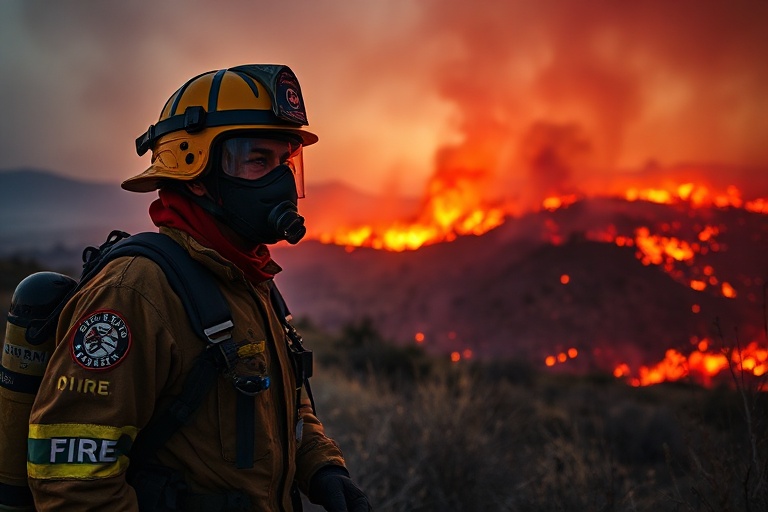
Behind every fire truck and aircraft are the men and women who risk their lives to protect lives and property. CAL FIRE’s firefighters, known as hotshots and helicopter crews, undergo rigorous training to handle extreme conditions. The agency’s inmate fire crews, supervised by professional firefighters, also provide essential support during peak fire seasons.
Yet, the challenges they face extend beyond physical danger. Firefighters often grapple with mental health stressors, including prolonged exposure to trauma and the emotional toll of losing homes and communities. CAL FIRE has recognized this issue and expanded its peer support and counseling programs to address the psychological well-being of its personnel.
The camaraderie among CAL FIRE crews is legendary. Stories abound of firefighters working 72-hour shifts without rest, sleeping in tents between deployments, and returning to the front lines despite personal sacrifices. Their dedication reflects a deep commitment to public service—a sentiment echoed in the agency’s recruitment campaigns, which emphasize both professional development and community impact.
Broader Implications and Future Challenges
The role of CAL FIRE extends beyond immediate fire suppression. Its work intersects with broader environmental, economic, and social issues. Wildfires in California do not just destroy property—they devastate ecosystems, worsen air quality, and contribute to long-term climate feedback loops. The agency’s forest management initiatives, such as controlled burns and reforestation, aim to mitigate these effects by restoring natural fire regimes.
However, funding remains a persistent challenge. Despite operating with one of the largest firefighting budgets in the world, CAL FIRE often faces budgetary constraints during peak fire seasons. The state has allocated billions in recent years to augment its resources, but critics argue that more investment is needed in prevention rather than just response.
Another pressing issue is the increasing frequency of megafires—wildfires that burn over 100,000 acres and exhibit extreme behavior. These fires overwhelm even the most prepared agencies, highlighting the need for regional and federal coordination. CAL FIRE has strengthened its partnerships with the U.S. Forest Service, National Park Service, and neighboring states, but the scale of the problem demands systemic solutions.
The agency also plays a crucial role in shaping public policy. CAL FIRE’s data on fire risk and behavior informs state legislation, such as the 2020 Wildfire Prevention Grants Program, which funds community-based fire prevention projects. By advocating for stricter building codes and defensible space regulations, the agency helps reduce the human and economic toll of wildfires.
Looking Ahead: The Future of Firefighting in California
- Climate Adaptation: Developing strategies to address the long-term impacts of climate change on fire behavior.
- Community Resilience: Expanding education programs to help residents prepare for wildfire threats.
- Technology Integration: Leveraging AI and machine learning to predict and prevent fire outbreaks.
- Workforce Development: Recruiting and retaining skilled professionals amid high turnover rates.
- Interagency Collaboration: Strengthening partnerships with federal and local agencies to improve response times.
Conclusion
CAL FIRE stands as a testament to California’s resilience in the face of an escalating wildfire crisis. Its dual role as a first responder and a strategic leader in fire management underscores the complexity of the challenges ahead. While technological advancements and policy reforms offer hope, the agency’s greatest strength remains its people—the firefighters, scientists, and support staff who dedicate their lives to protecting the state.
As climate change continues to reshape California’s landscape, CAL FIRE’s work will only grow more critical. The agency’s ability to adapt, innovate, and collaborate will determine not just the future of firefighting in the Golden State, but the very survival of its communities.
For those interested in learning more about emergency response and disaster preparedness, Dave’s Locker Trending offers additional insights into how agencies like CAL FIRE are evolving in response to global challenges. For a deeper look at California’s environmental policies, visit Dave’s Locker Analysis.