Why Air Shows Are More Than Just Aerial Stunts
The roar of piston engines, the precision of synchronized flight formations, and the gasps of thousands of onlookers—air shows transform open skies into a stage where engineering marvels meet human daring. These events blend entertainment with aeronautical history, offering spectators a chance to witness machines and pilots push the boundaries of what’s possible in aviation.
The Evolution of Air Shows: From Battlefield to Backyard
Air shows trace their origins to the early 20th century, when military aviators first demonstrated their skills to the public following World War I. The first recorded air meet took place in 1909 at Reims, France, where pilots competed in speed, altitude, and endurance. These gatherings weren’t just for show—they served as proving grounds for aircraft reliability and pilot proficiency.
By the 1920s and 30s, air shows had evolved into major public events, often tied to national pride or technological advancement. The National Air Races in the United States, launched in 1920, became a hallmark of speed and innovation, while European shows like the Paris Air Show showcased cutting-edge designs from emerging aviation powers. These events weren’t merely exhibitions; they were catalysts for industry growth, fostering competition and collaboration among manufacturers.
Today, air shows serve multiple roles: they celebrate aviation heritage, recruit future pilots, and demonstrate the capabilities of modern aircraft. Civilian air shows like EAA AirVenture in Oshkosh, Wisconsin, attract over 600,000 visitors annually, blending warbirds, aerobatics, and experimental aircraft. Meanwhile, military demonstrations like the Royal International Air Tattoo in the UK highlight the operational readiness and technological prowess of armed forces.
Key Milestones in Air Show History
- 1909: First international air meet held in Reims, France, featuring 23 pilots and 38 aircraft.
- 1920s: National Air Races in the U.S. become a platform for speed records and aircraft innovation.
- 1940s: Post-World War II shows emphasize jet propulsion and aerobatic teams like the Blue Angels.
- 1970s: Civilian air shows grow in popularity, with Oshkosh becoming a premier event for general aviation enthusiasts.
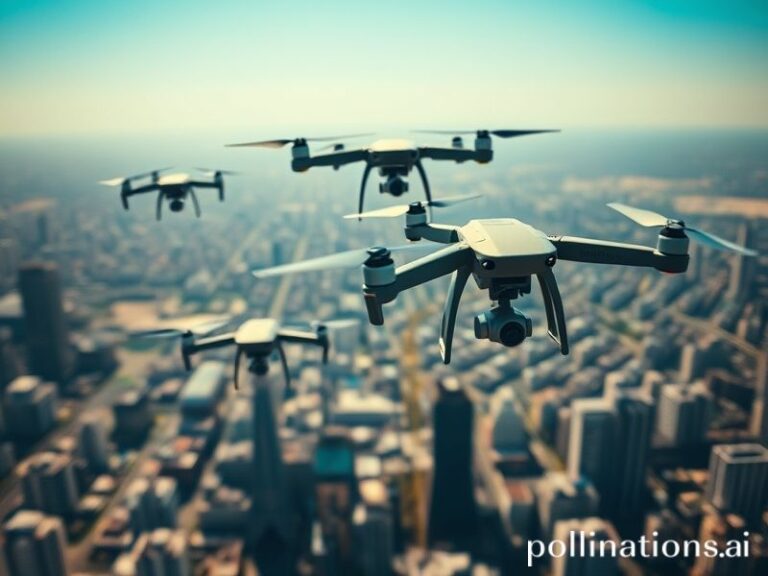
- 21st Century: Drone demonstrations and electric aircraft debuts signal the next frontier in air show entertainment.
The Anatomy of an Air Show: What Makes It Unforgettable
Air shows are meticulously choreographed productions where safety, precision, and spectacle intersect. At the heart of every event are the performers—pilots who risk their lives to deliver jaw-dropping maneuvers. Aerobatic teams like the U.S. Air Force Thunderbirds or civilian groups such as Red Bull Air Race pilots demonstrate the limits of human and machine coordination. Their routines are not just displays of skill but also testaments to years of training and trust in engineering.
Beyond the performers, air shows are a convergence of technology and community. Static displays allow visitors to inspect aircraft up close, from vintage biplanes to next-generation stealth fighters. Exhibitors showcase everything from avionics and engines to pilot training simulators. For many attendees, the static line is as memorable as the flying display—especially for families, where children can sit in the cockpit of a Cessna or touch the fuselage of a WWII Spitfire.
Ground entertainment has also become a staple. Concerts, flight simulators, and educational exhibits—like those focused on STEM careers in aviation—ensure that air shows appeal to more than just aviation enthusiasts. These elements turn a one-day event into a multi-day experience, fostering a sense of community among attendees.
What You’ll Find at a Modern Air Show
- Aerobatic Performances: Solo pilots and teams execute loops, rolls, and high-G maneuvers.
- Military Demonstrations: Fighter jets perform takeoffs, landings, and simulated combat scenarios.
- Static Aircraft Displays: Rare and historical aircraft are displayed on the ground for public viewing.
- Vendors & Exhibitors: Companies showcase aviation products, from drones to flight training software.
- Family Zones: Interactive exhibits, flight simulators, and educational workshops for children.
- Night Shows: Some events feature illuminated aircraft performing under spotlights.
Beyond the Thrills: The Broader Impact of Air Shows
While air shows are undeniably thrilling, their influence extends far beyond entertainment. Economically, these events generate significant revenue for host cities, supporting local businesses from hotels to restaurants. The EAA AirVenture, for example, contributes over $150 million annually to the Oshkosh, Wisconsin, economy. Air shows also serve as recruitment tools for the military and aviation industry, inspiring future engineers, pilots, and mechanics.
From a technological standpoint, air shows act as living laboratories. Manufacturers debut new aircraft models, test prototypes, and gather real-time feedback from pilots and enthusiasts. The rapid advancement of electric aircraft, such as the Pipistrel Velis Electro, has been prominently featured at recent shows, signaling a shift toward sustainable aviation. Similarly, drone swarms and autonomous flight demonstrations hint at the future of unmanned aerial systems.
Culturally, air shows preserve aviation history and honor the legacy of those who shaped flight. Warbird displays at events like the Reno Air Races pay tribute to the pilots of World War II and Korea, while vintage aircraft reenactments keep their stories alive. These gatherings also foster international goodwill, as nations showcase their aerospace achievements and collaborate on joint demonstrations.
The Challenges and Controversies
Despite their many benefits, air shows are not without criticism. Safety remains a paramount concern, particularly with the increasing complexity of aerobatic routines. The 2018 crash at the Shoreham Airshow in the UK, which resulted in the death of 11 spectators, raised questions about risk management and crowd control. Organizers have since implemented stricter safety protocols, including enhanced buffer zones and real-time weather monitoring.
Environmental concerns have also emerged, particularly regarding the carbon footprint of large aircraft performing at shows. Critics argue that the fuel consumption and emissions of military jets and aerobatic planes are at odds with modern sustainability goals. In response, some air shows have introduced greener initiatives, such as offsetting emissions or featuring electric aircraft in their programs.
Finally, accessibility and cost can limit who attends these events. Ticket prices, travel expenses, and even the remote locations of some air shows can make them prohibitive for lower-income families. Efforts to increase diversity—through scholarships, community outreach, and virtual streaming—are gradually addressing this imbalance.
A Look to the Future: Where Air Shows Are Heading
The next decade promises to bring radical changes to air shows, driven by technology and shifting public interests. Electric and hybrid-electric aircraft are poised to become mainstays, offering quieter, cleaner performances. Companies like Heart Aerospace and Eviation are already testing prototypes that could redefine regional air travel and air show demonstrations alike.
Virtual and augmented reality are also transforming the air show experience. Some events now offer VR headsets that simulate flight, allowing attendees to “pilot” a jet or experience aerobatics from a first-person perspective. These technologies could democratize access to flight experiences, making air shows more inclusive for those who cannot attend in person.
Another trend is the integration of air shows with broader aerospace events. The Paris Air Show and Farnborough International Airshow have expanded to include space technology exhibits, reflecting the growing overlap between aviation and space industries. As private spaceflight companies like SpaceX and Blue Origin gain prominence, future air shows may feature suborbital vehicle demonstrations alongside traditional aircraft.
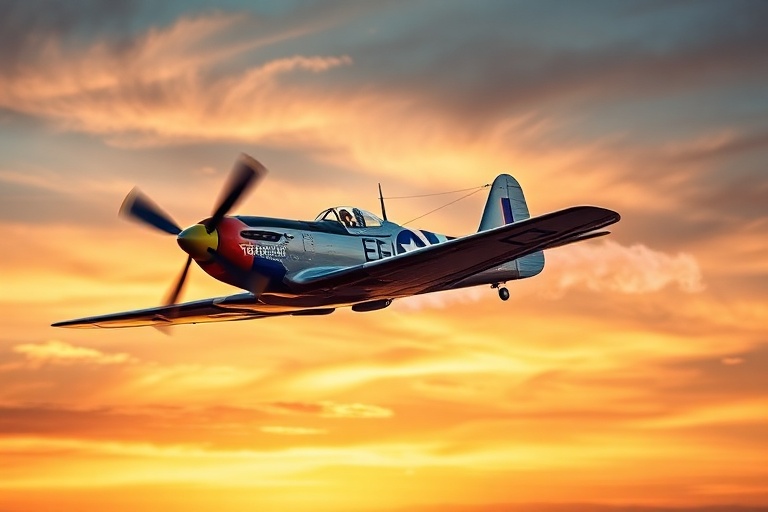
Ultimately, air shows will continue to evolve, but their core appeal remains unchanged: the awe of human ingenuity taking flight. Whether through the thunder of a P-51 Mustang or the silent glide of an electric aircraft, these events remind us of the boundless possibilities when passion meets precision.
For enthusiasts looking to dive deeper into aviation culture, Dave’s Locker’s Entertainment section offers curated content on aviation films, museums, and historical retrospectives. Those interested in the technical aspects of flight can explore Dave’s Locker’s Technology category, which covers advancements in aerospace engineering and drone technology.
Final Thoughts
Air shows are more than spectacles—they are celebrations of human achievement, technological progress, and shared wonder. As aviation continues to advance, these events will adapt, ensuring that the next generation of pilots, engineers, and dreamers can look to the skies with inspiration. Whether you’re a seasoned aviation buff or a first-time attendee, the thrill of an air show lies in its ability to connect us to the past while propelling us toward the future.