Why Air Shows Still Matter in a Digital World
The roar of jet engines splits the air as a formation of fighter planes streaks overhead, their contrails weaving intricate patterns against the blue expanse. Below, spectators crane their necks, phones raised to capture every second. Air shows transform open fields into temporary cathedrals of aeronautical achievement, where the boundaries between engineering marvels and human spectacle blur.
These events are more than extravagant displays of flight—they are living museums of technological progress, cultural touchstones, and economic engines. From their origins in early aviation to today’s global spectacles, air shows have evolved in step with the industry they celebrate. They offer a rare glimpse into the future of aerospace while grounding us in the legacy of flight.
The Evolution of Air Shows: From Pioneers to Precision Flying
The first air shows emerged in the early 20th century, shortly after the Wright Brothers’ first flight in 1903. These early exhibitions were raw and unpredictable—pilots often flew rickety biplanes with little more than instinct and nerve. The 1909 Reims Air Show in France is widely regarded as the first major international event, drawing crowds eager to witness the dawning of a new era.
By the 1920s and 1930s, air shows had matured into organized spectacles. The National Air Races in the United States and the Schneider Trophy competitions in Europe showcased speed, endurance, and innovation. These events weren’t just about entertainment; they were proving grounds for aircraft design and pilot skill. World War II accelerated technological leaps, and after the war, former military pilots turned air shows into platforms for aerobatics and jet propulsion.
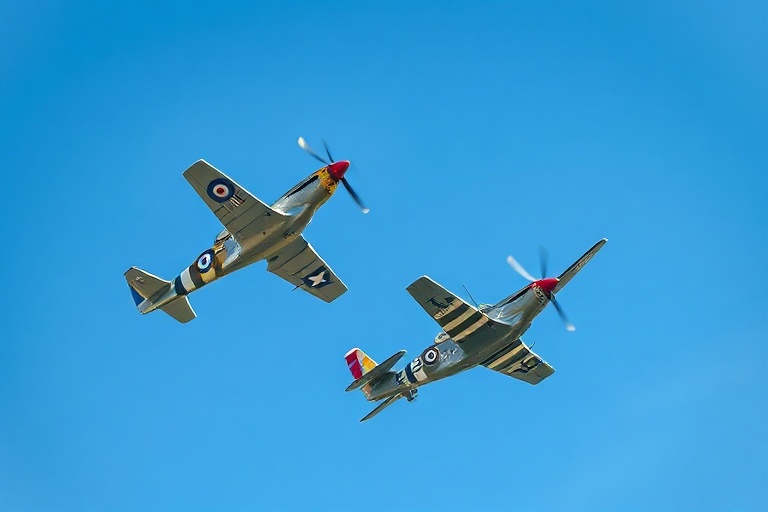
Today’s air shows blend heritage with cutting-edge technology. The Red Bull Air Races, for example, introduced a new era of high-speed, low-altitude competition using purpose-built aircraft. Meanwhile, traditional military air shows like the Royal International Air Tattoo in the UK or EAA AirVenture Oshkosh in the U.S. continue to draw massive crowds by celebrating both vintage warbirds and next-generation stealth fighters.
Key Milestones in Air Show History
- 1909: First major international air show held in Reims, France.
- 1920s–1930s: Rise of competitive air racing and aerobatic displays.
- 1940s: Post-war transition from military to civilian aviation showcases.
- 1970s: Introduction of jet-powered aerobatic teams like the Blue Angels and Thunderbirds.
- 2000s: Emergence of extreme sports air racing and digital fan engagement.
Why Air Shows Matter: Culture, Commerce, and Community
Air shows are more than just entertainment—they are cultural barometers. They reflect societal attitudes toward technology, national pride, and even environmental concerns. During the Cold War, air shows were platforms for demonstrating military might, with bombers and fighters flying in tight formations to project power. Today, they often emphasize sustainability, featuring electric aircraft and discussions on green aviation.
Economically, air shows are powerhouses. The EAA AirVenture Oshkosh, held annually in Wisconsin, generates over $150 million in local revenue. It draws more than 600,000 visitors, supports thousands of jobs, and fuels demand for aviation services, from aircraft maintenance to hospitality. Smaller regional shows also play a vital role, sustaining local airports and pilot training programs.
Community engagement is another hallmark. Many shows offer STEM education programs, giving students hands-on exposure to physics, engineering, and aviation careers. The Experimental Aircraft Association’s Young Eagles program, for instance, has flown over 2 million young people since 1992, inspiring the next generation of pilots and engineers.
Yet air shows are not without controversy. Noise complaints from nearby residents, environmental impact assessments, and the high costs of hosting such events spark regular debate. Some critics argue that the carbon footprint of thousands of attendees traveling by air or car undermines the sustainability message. Organizers are responding with initiatives like carbon offset programs and hybrid-electric aircraft demonstrations.
The Technology on Display: From Propellers to Hypersonics
Air shows are living showcases of aerospace innovation. Visitors can see everything from restored World War II fighters to prototypes of next-generation electric vertical takeoff and landing (eVTOL) aircraft. The presence of these machines isn’t merely symbolic—it’s a testament to the industry’s relentless push forward.
Military demonstrations often steal the spotlight. The Lockheed Martin F-35 Lightning II, for example, has become a star attraction at international shows, its stealth capabilities and agility on full display. Similarly, drones and unmanned systems are increasingly featured, reflecting the growing role of autonomous technology in modern aviation.
Civilian innovations are equally impressive. At Oshkosh 2023, Bye Aerospace unveiled the Sun Flyer 2, an all-electric training aircraft promising zero emissions and lower operating costs. Companies like Pipistrel and Heart Aerospace are developing regional electric aircraft, aiming to revolutionize short-haul travel. These technologies are not just futuristic concepts—they are nearing commercial viability, and air shows are their first public stages.
But it’s not just about the hardware. Software and simulation play crucial roles. Many modern aerobatic teams use advanced flight simulators to perfect their routines, ensuring precision down to the millisecond. Visitors can often try flight simulators themselves, offering a taste of what it’s like to pilot a high-performance aircraft.
Emerging Trends in Air Show Technology
- Electric and Hybrid Aircraft: Demonstrations of zero-emission planes and eVTOLs.
- AI-Powered Flight: Use of artificial intelligence in aerobatic routines and air traffic management.
- Augmented Reality: AR headsets providing real-time data overlays for pilots and spectators.
- Sustainability Initiatives: Carbon offset programs, biofuel-powered aircraft, and waste reduction efforts.
- Drone Swarms: Synchronized drone displays replacing traditional aerobatic teams in some events.
The Future of Air Shows: Challenges and Opportunities
As air shows navigate the 21st century, they face a paradox: how to honor tradition while embracing innovation. The COVID-19 pandemic forced organizers to rethink their models, leading to virtual air shows and hybrid events that blended online and in-person experiences. While these adaptations were born out of necessity, they opened new avenues for global participation.
Looking ahead, air shows must address several critical challenges. The first is accessibility. High ticket prices and travel costs can limit attendance, excluding many potential enthusiasts. Some shows are experimenting with tiered pricing, scholarships, and regional tours to democratize access. The second challenge is relevance. With younger generations increasingly drawn to digital experiences, air shows must evolve to engage them. Interactive exhibits, VR flight simulators, and live-streamed performances can help bridge the gap.
Yet the opportunities are vast. Air shows can become platforms for broader conversations about the future of flight—including urban air mobility, space tourism, and sustainable aviation fuels. They can also serve as incubators for startups, giving entrepreneurs a stage to pitch ideas to investors and industry leaders.
Perhaps most importantly, air shows remind us of the enduring human fascination with flight. In an era of automation and digital overload, there’s something profoundly moving about watching a skilled pilot maneuver a machine of incredible complexity with nothing but instinct and training. It’s a celebration of skill, courage, and the unrelenting human spirit.
As we look to the skies, air shows will continue to be our guide—bridging the gap between the past and the future, the possible and the impossible.
Whether you’re an aviation enthusiast, a technology buff, or simply someone who loves the thrill of a perfectly executed barrel roll, air shows offer something for everyone. They are more than events; they are experiences that shape culture, drive innovation, and inspire dreams.
So next time you hear the distant thunder of an aircraft overhead, take a moment to look up. You might just witness the future taking flight.
For more on aviation culture and technology, explore our Entertainment and Technology sections.